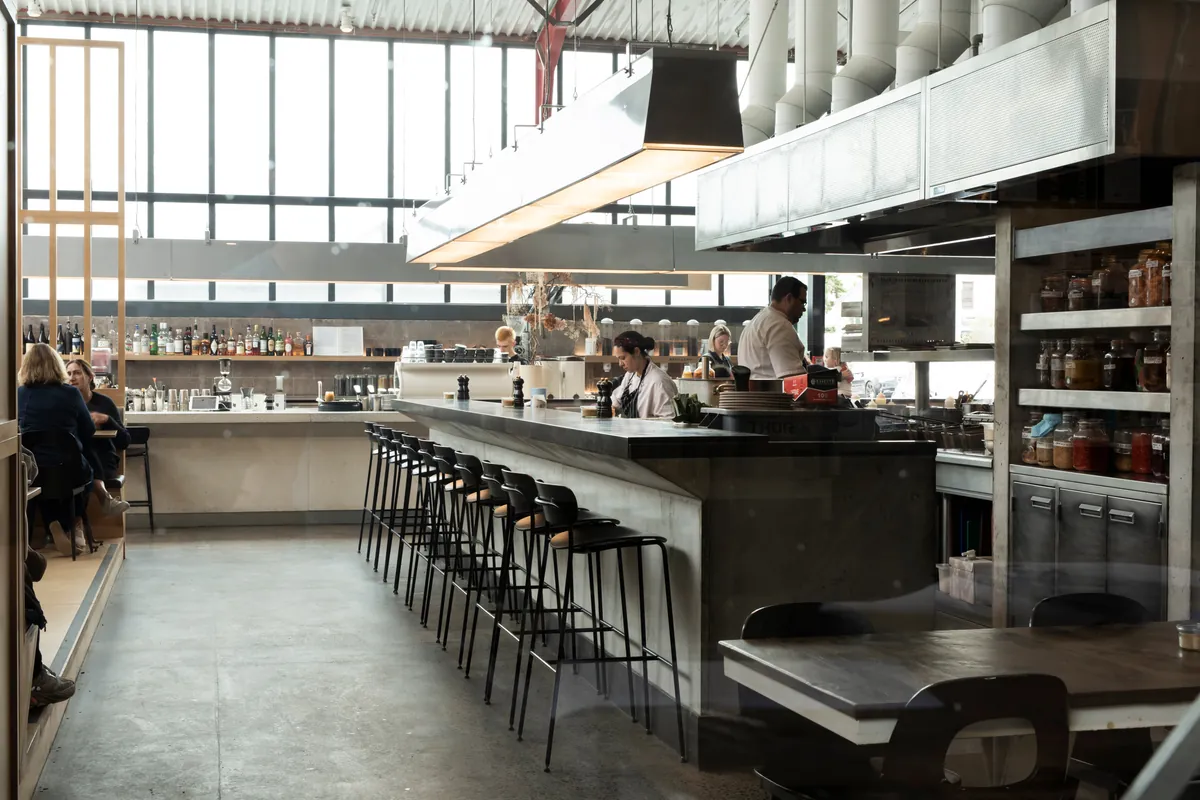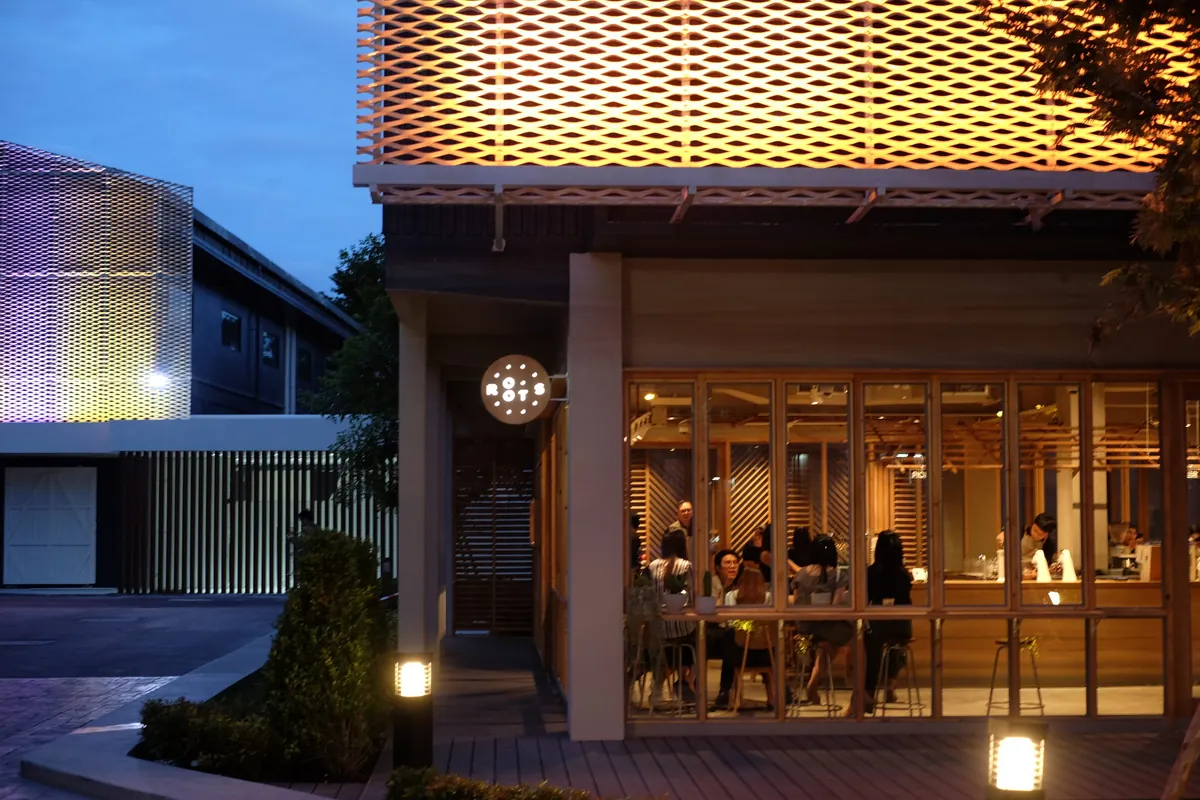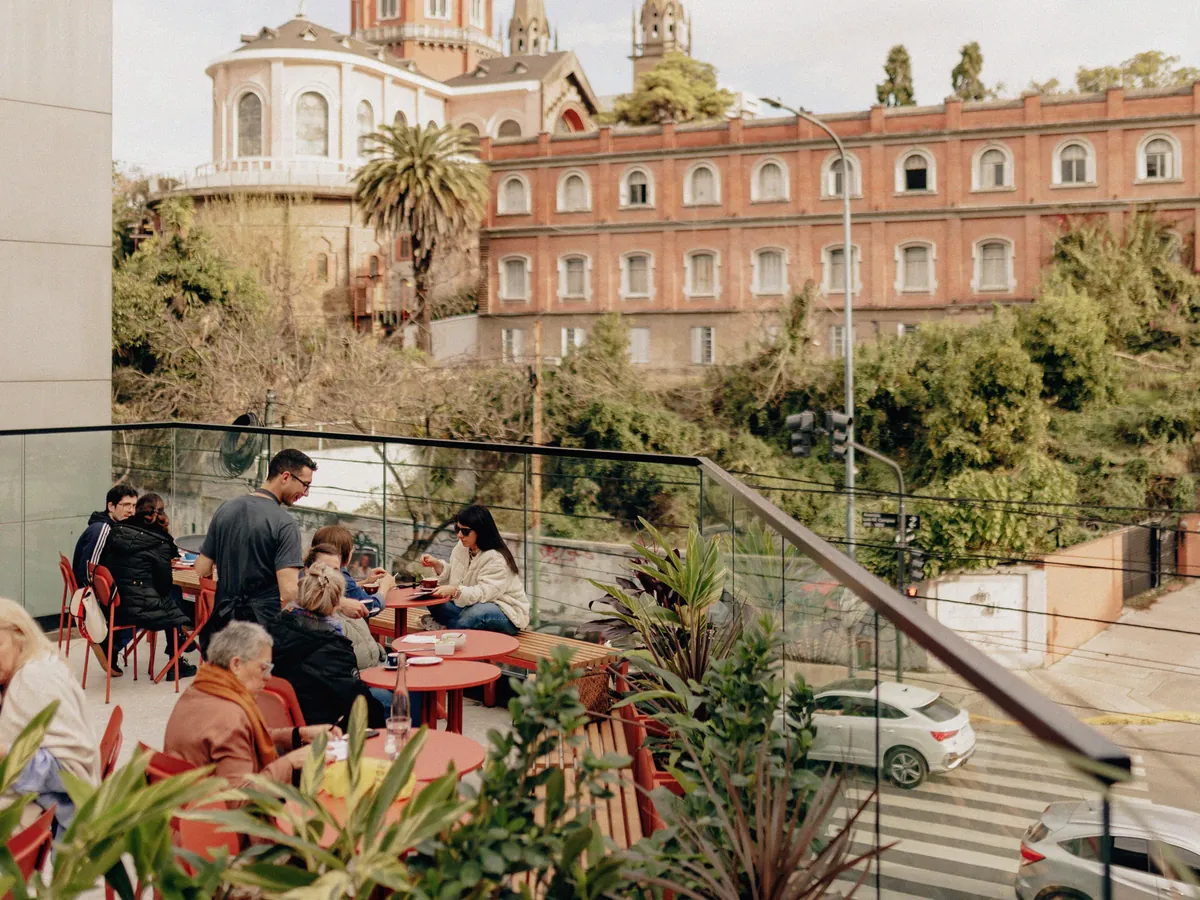
Eight of the nine places in this guide roast their own coffee. Cuervo, LAB, Ninina, TRES, COFI JAUS, Café Registrado and La Motofeca roast for their own cafés, and Fuego Tostadores roasts in Colegiales for Negro, the café its founders opened in 2015. Several of them also sell to other cafés and teach baristas, from LAB’s training centre to Negro Escuela and COFI academi. Surry Hills, the ninth, brought Australian brunch and specialty coffee to Palermo in 2019. More of the cafés are in Palermo than anywhere else, with others in Chacarita, Colegiales, Villa Crespo, Belgrano, Núñez, Villa Urquiza, Recoleta, Almagro, Caballito, the Microcentro and Tribunales, and a few beyond the city limits in La Plata, Munro and Florida.
Cuervo Café, Palermo, Chacarita and Belgrano
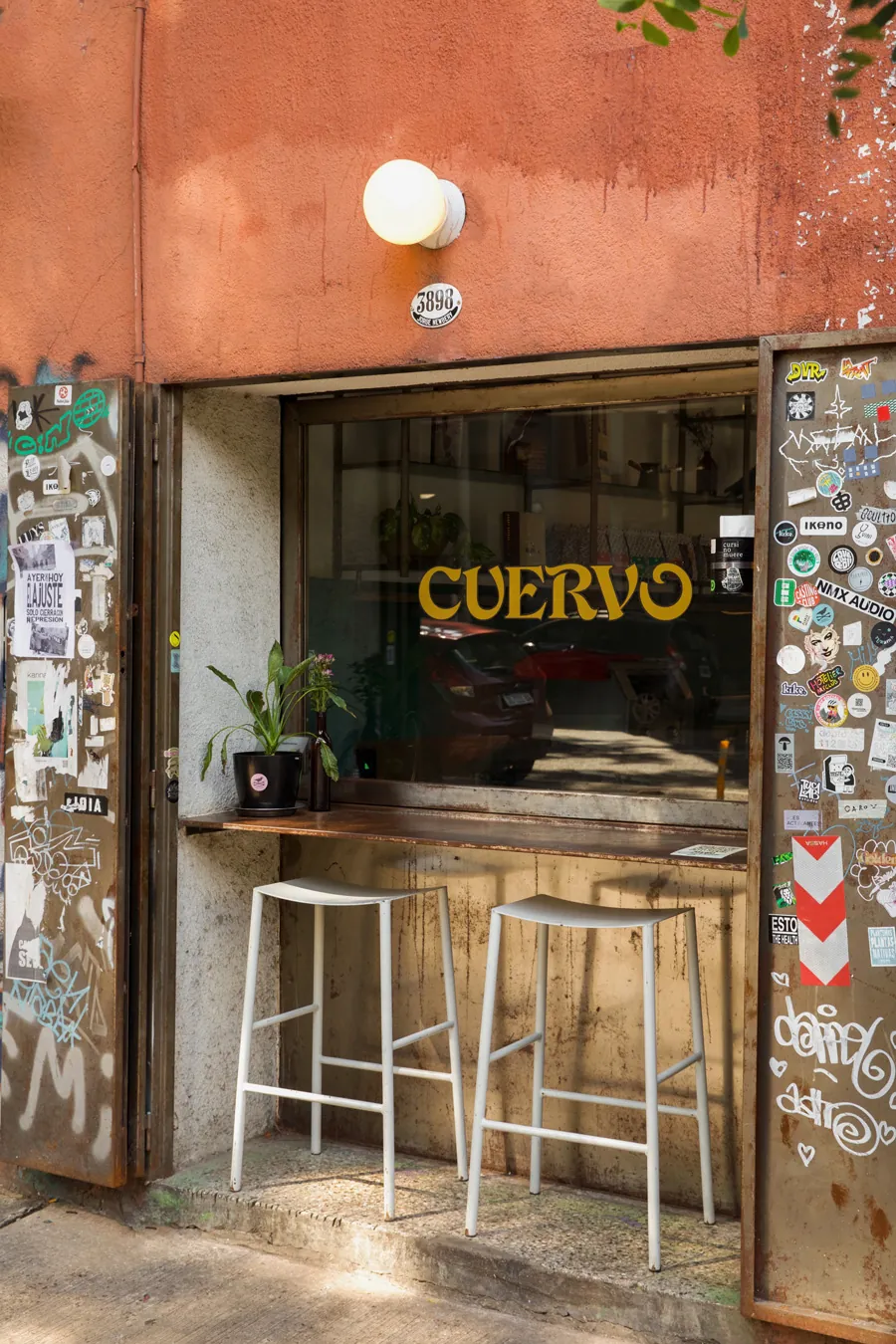
Cuervo Café roasts its coffee in Buenos Aires and sells it as whole beans or ground, in its cafés, online and to other cafés through its wholesale arm. There are cafés in Palermo Soho, Palermo Hollywood, Chacarita, Belgrano and Recoleta, a third Palermo café it calls Palermo OFF, and one in La Plata; the Belgrano café also serves ice cream. Its year-round coffees are profiles: Trailblazer, round and chocolatey, is the profile Cuervo has roasted since it started, and Cumbia, fruity and winey from an extended fermentation, is meant for experimental palates. Brazil was the first origin where it dealt directly with producers, beginning with Augusto Borges in Minas Gerais, and its Comunidades line tells the stories of groups of growers, such as the Kibugu cooperative’s Kathakwa washing station on the slopes of Mount Kenya.
Negro and Fuego Tostadores, Microcentro, Tribunales and Palermo
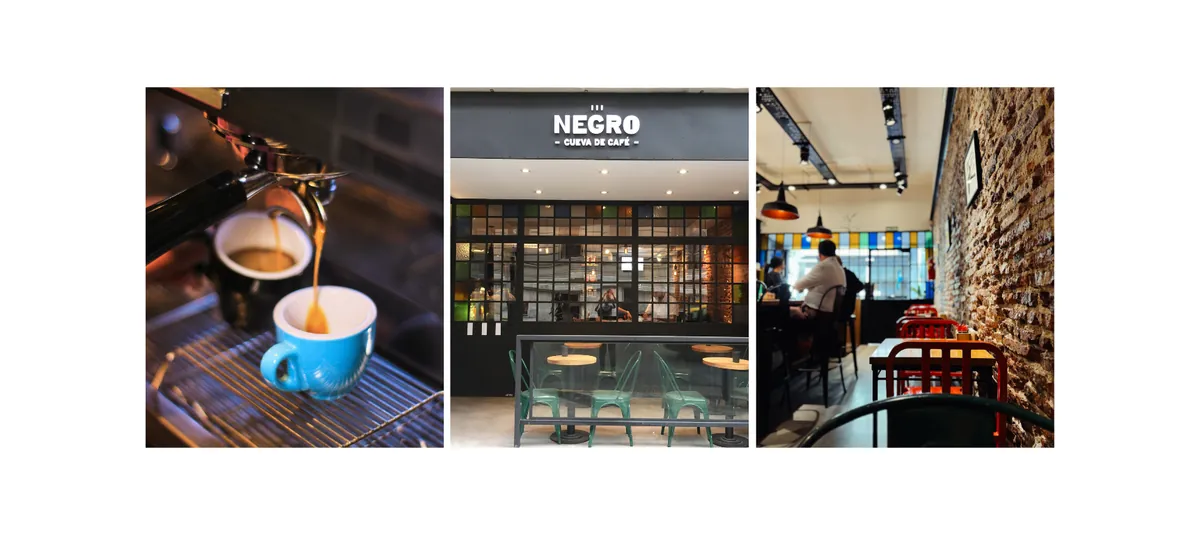
Fernando Lozano and María Conte opened Negro in 2015, and in 2018 they founded Fuego Tostadores to roast for it. In 2019 they took over the Colegiales space of A los Cafeteros, a family coffee business that had supplied hospitals, schools and canteens since 1940, and turned it into the roastery. Fuego works with micro-lots and nano-lots scoring above 80 points, adjusts its roast profiles through cupping, and supplies cafés across Argentina; Negro Escuela, its barista school, offers training and consulting. Negro has two bars downtown, in the Microcentro and by Tribunales, and three in Palermo, among them Negro Diario y Café. All of them pour Fuego Negro, a washed Huila coffee that Fuego roasts specially for Negro, and in The World’s 100 Best Coffee Shops Negro placed 82nd in 2025, the year it turned ten, and 94th in 2026.
LAB Tostadores de Café, Palermo Hollywood
LAB Tostadores de Café began as a roasting laboratory developing micro-lots of exclusive design for restaurants and cafés, with roast profiles meant to keep each coffee’s quality consistent from one bean to the next. Its Coffee Shop and Training Center in Palermo Hollywood is where it reaches the public, brewing its coffees with modern extraction methods and running amateur and professional courses, from an amateur barista course to a full espresso course. Its coffees come from Brazil and Colombia, among them lots from the farms La Marianela and La Catalina, and under the name Cacao Roasters it also makes chocolate.
Ninina, Palermo
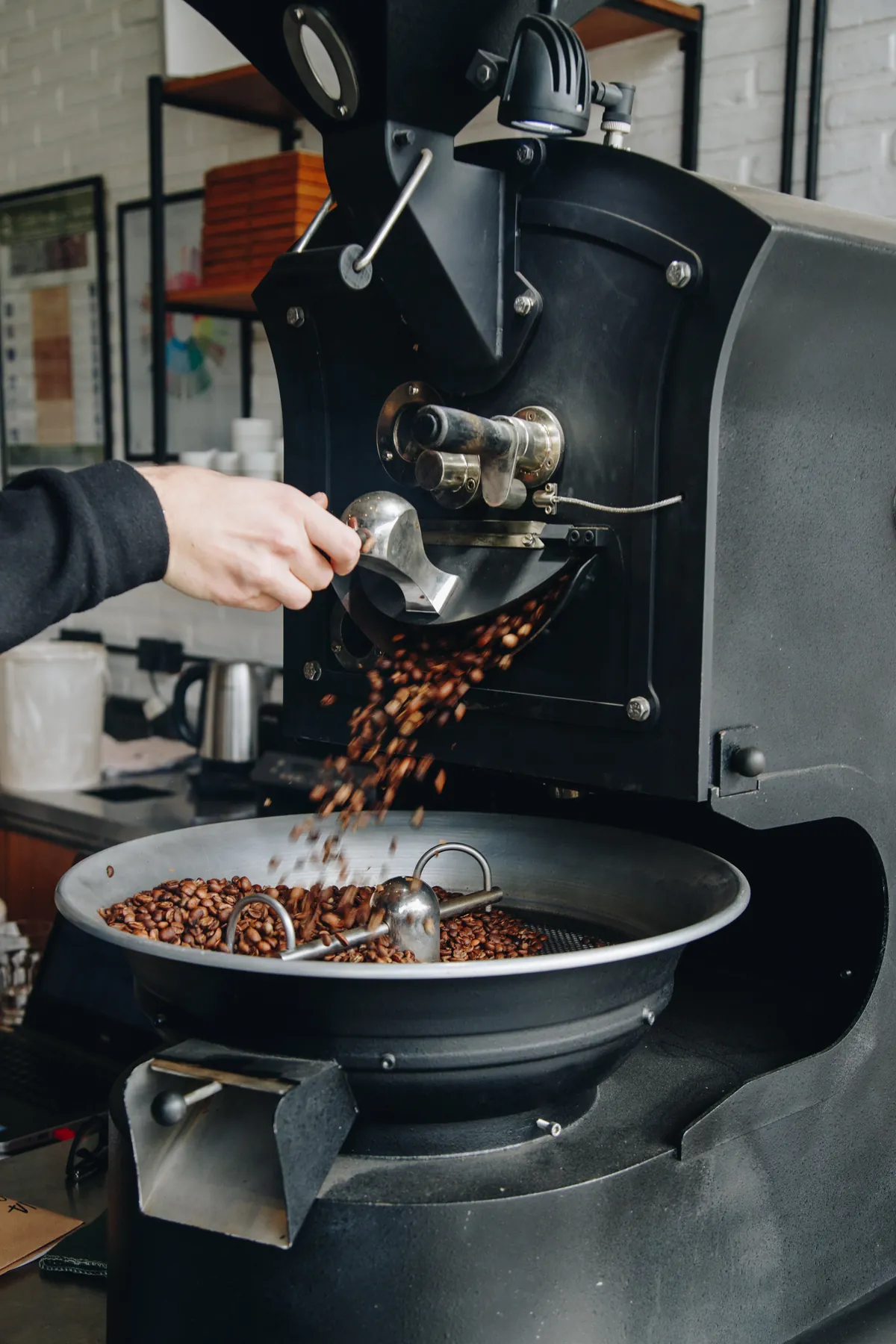
Ninina is a restaurant, specialty café and pâtisserie that has served specialty coffee in Buenos Aires since 2013. In 2017 it set up its own coffee lab, where every week it roasts and cups freshly harvested beans bought directly from producers, and every coffee it serves is also sold in 250 g bags. In 2025 it placed 64th in The World’s 100 Best Coffee Shops, the highest-placed café from Buenos Aires. The menu runs from breakfast and brunch to lunch and merienda, built on fresh, organic ingredients, and its cakes, more than thirty of them, are a family inheritance refined from one generation to the next. The first Ninina, in Palermo, is also its production centre; there is a second room in Palermo, and the newest opened in the Plaza del Solar.
TRES, Colegiales
TRES is a roaster and café in Colegiales that roasts its coffee in Buenos Aires and sells it both retail and wholesale. The café hosts guided tastings and pop-ups.
COFI JAUS, Villa Crespo and the north of the city
COFI JAUS brings together specialty coffee, artisan pastry and its own chef’s kitchen, and each of its cafés is designed to reflect the neighbourhood it sits in. It roasts at its own roastery in Villa Crespo, which is also one of its cafés, and the others are in Palermo, Belgrano, Colegiales, Núñez and Villa Urquiza, with two more in Munro and Florida just north of the city. Its range includes Colombian Caturras from Quindío and Tolima, a natural anaerobic Costa Rica from Brunca and a washed Bolivia from Sud Yungas. COFI also roasts to order for other cafés and businesses, and COFI academi trains baristas with courses that treat coffee as culture, science and craft.
Café Registrado, Palermo Hollywood, Almagro and Caballito
Café Registrado opened in 2017 after two years of planning. Its team visits partner farms at origin and brings back samples, profiles, roasts and cups them in its roasting room, then buys the chosen lots and imports them directly. Everything on the menu is made in house, the coffee is served by baristas certified by the SCA, and its school awards SCA certifications to the professionals it trains. Its cafés are in Palermo Hollywood, Almagro, Caballito, Barrancas de Belgrano and by Plaza Güemes, and its coffees range from Brazilian Bourbons made for milk drinks to Ethiopian naturals and a series of geishas from Carmo de Minas.
La Motofeca, Microcentro
La Motofeca roasts specialty coffee in the Microcentro and sells it retail and wholesale, alongside espresso machines, grinders and coffee roasters. It buys green coffee from around the world, from the Chambi family’s washed Catuaí in Caranavi, Bolivia, to naturals from Armenia in Quindío and lots from Ethiopia, Rwanda and Kenya, and it teaches a coffee roasting course and an advanced espresso calibration workshop.
Surry Hills, Palermo
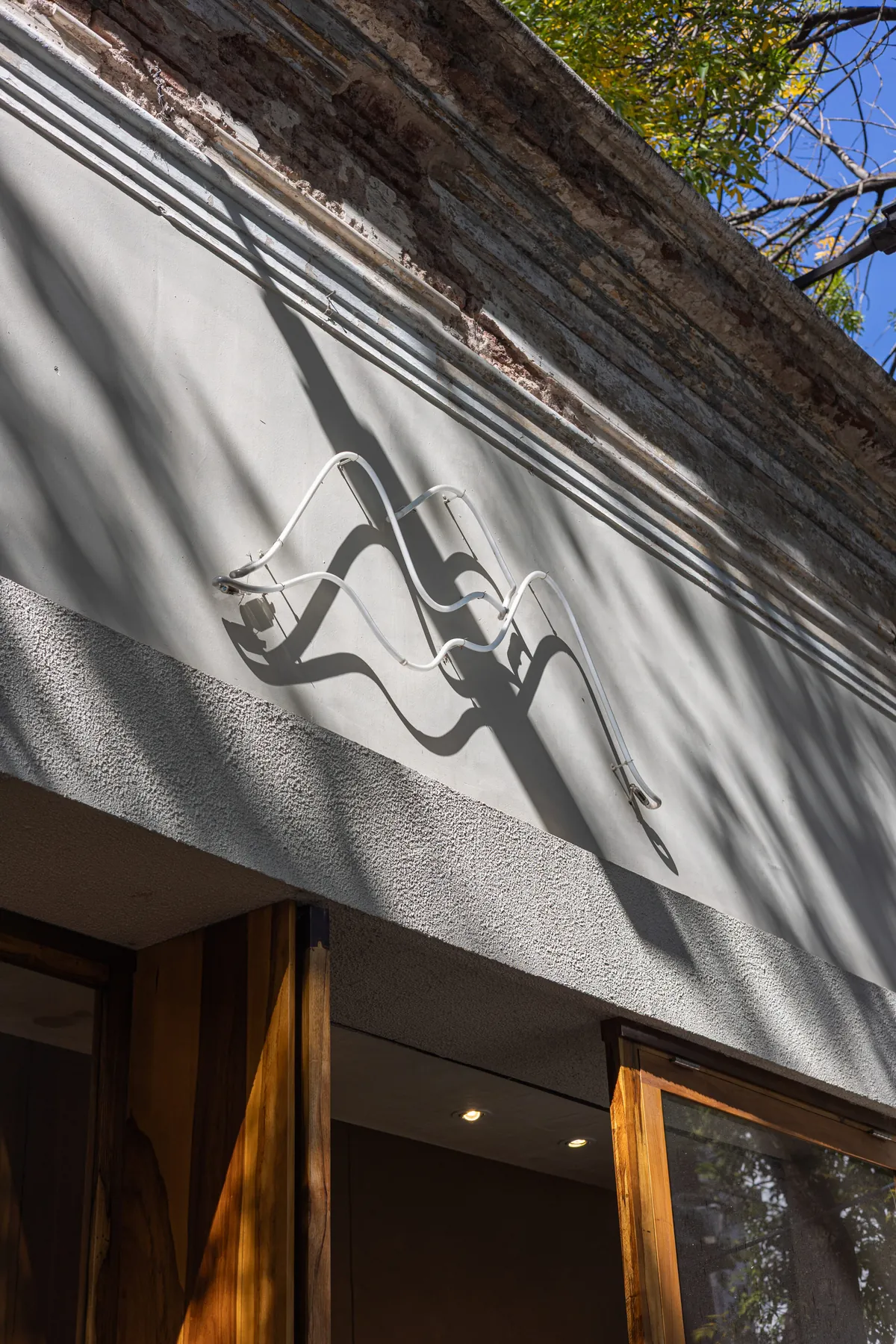
Surry Hills opened in Palermo in the spring of 2019, inspired by the sunny mornings of the Sydney neighbourhood it is named after, to bring Australian brunch and specialty coffee to Buenos Aires. Brunch is served all day from local, seasonal produce, the coffee is specialty only, and the house blend carries notes of cacao, butter and blueberry. There is a deck outside and no reservations. Surry Hills has since opened in Palma de Mallorca, where it also runs the HOTTO coffee lab and micro-roastery, and in Miami, and it was listed among The World’s 100 Best Coffee Shops in 2025 and 2026.
What you need to know about Buenos Aires specialty coffee
Which Buenos Aires cafés roast their own coffee? Cuervo Café, LAB Tostadores de Café, Ninina, TRES, COFI JAUS, Café Registrado and La Motofeca roast their own, and Negro pours coffee from its sister roastery, Fuego Tostadores.
Which Buenos Aires cafés are among The World’s 100 Best Coffee Shops? Negro placed 82nd in 2025 and 94th in 2026, Ninina 64th in 2025, and Surry Hills was listed in both years.
Where can you learn to make coffee? LAB runs amateur and professional courses at its training centre, Fuego trains baristas through Negro Escuela and holds roasting workshops at its roastery, COFI academi teaches barista courses, Café Registrado’s school awards SCA certifications, and La Motofeca teaches roasting and espresso calibration.
Where does the coffee come from? Brazil and Colombia appear in almost every range here, and Fuego names growers such as Augusto Borges in Minas Gerais and Esperanza Jaramillo in the Valle del Cauca. Cuervo, Café Registrado and La Motofeca add lots from Africa, from Kenya, Ethiopia and Rwanda.
Where can you have brunch with your coffee? Surry Hills serves brunch all day in Palermo, and Ninina’s menu runs from breakfast and brunch to merienda.
Can you book a table? COFI JAUS takes table bookings, while Surry Hills seats guests in order of arrival.
Photo credits
Photographs belong to the businesses and are reproduced from their official websites with attribution.