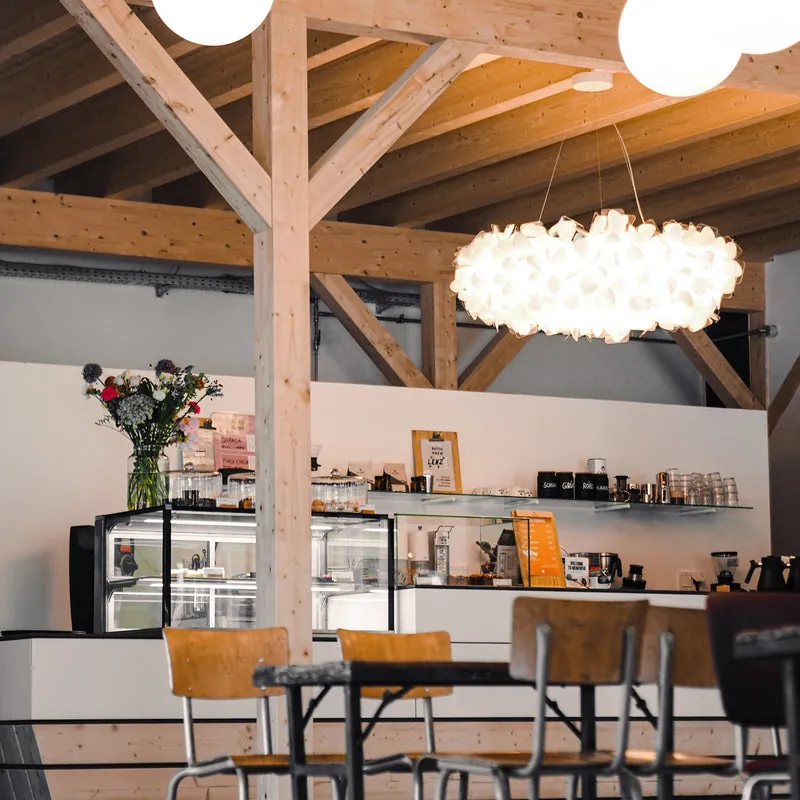
HEILANDT began with four friends who, in 2010, asked why so few roasters managed to produce really good coffee. They opened in August 2010 with a roastery that was also a café, in the Belgisches Viertel. The roastery soon outgrew the room and moved to the west of Cologne, and the original site stayed on as a café. The name has nothing to do with faith: it comes, by a roundabout route, from one of the founders’ surnames.
Every HEILANDT coffee is bought by direct trade, either straight from the farmers or through one trusted person or partner organisation. Where possible the roastery pays about half the price before the harvest, and the prices it pays average more than 50 per cent above the Fairtrade minimum. Its arabicas score at least 83 points on the SCA scale. HEILANDT is part of The Pledge and releases a transparency report each year with the farmgate and FOB prices it paid, and it has completed a common-good balance sheet under the Gemeinwohl-Ökonomie. It is an organic-certified roaster and marks direct-trade coffees with its own seal. Each coffee is roasted on its own in a drum roaster, gently, at no more than 210 °C and for up to 18 minutes, using an electronic profile and the first crack as the reference point, then rested before it is blended or packed.
Since May 2024 the roastery has been at Tor 5 in Ehrenfeld, a larger site that also holds the Kaffeeschule and a café where guests can watch the roasters at work. The barista, latte art, cupping and coffee-and-cocktail courses run there in groups of six to eight. The cafés in the Belgisches Viertel, Sülz and Nippes, the newest, opened in early 2024, serve espresso, filter and milk drinks with a choice of a more chocolatey or a fruitier espresso, cakes and tartlets including some from Törtchen Törtchen, oat milk and vegan options. A coffee bar in the central library of the Deutsche Sporthochschule serves the students. Every location takes card payments only.
Coffee on the shelf
- Pfirsich-Eistee
- Limette
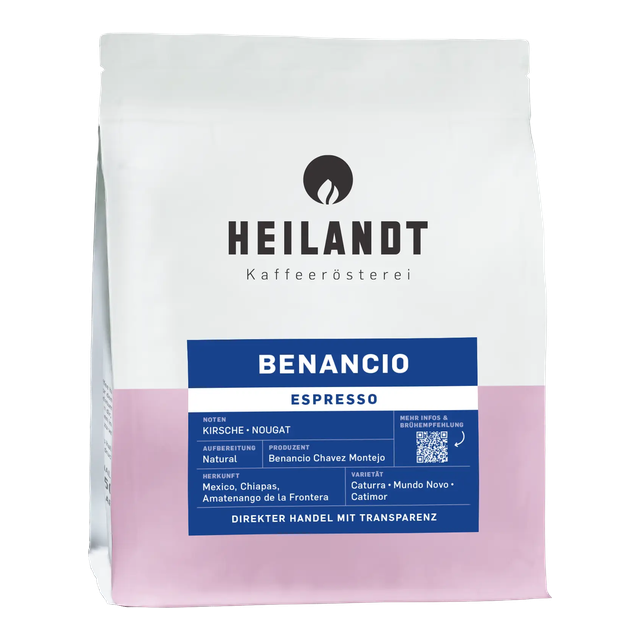
- reife Kirsche
- Nougat
- Kakao
- Dattel
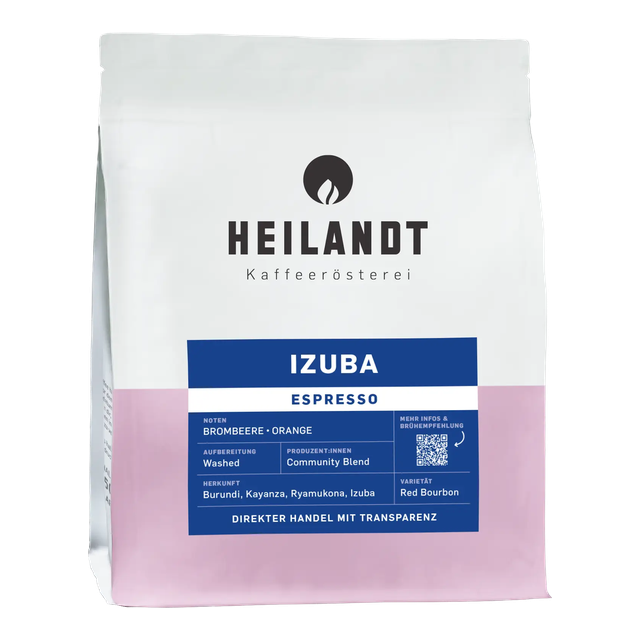
- Brombeere
- Orange
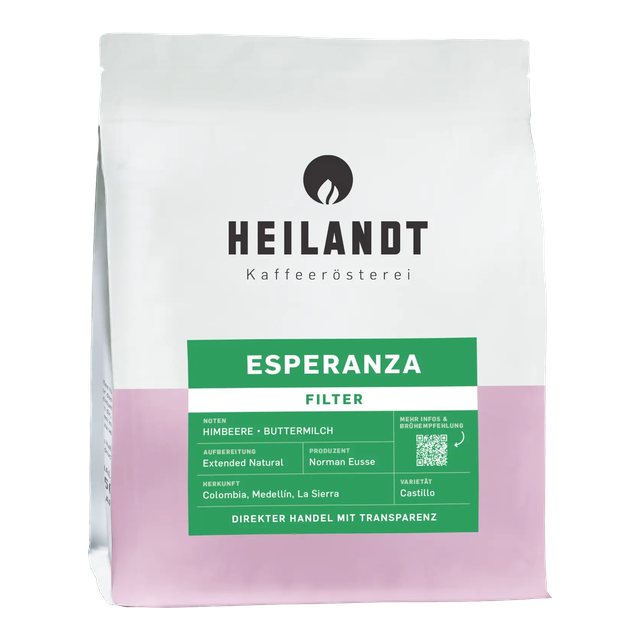
- Himbeere
- Sauerkirsche
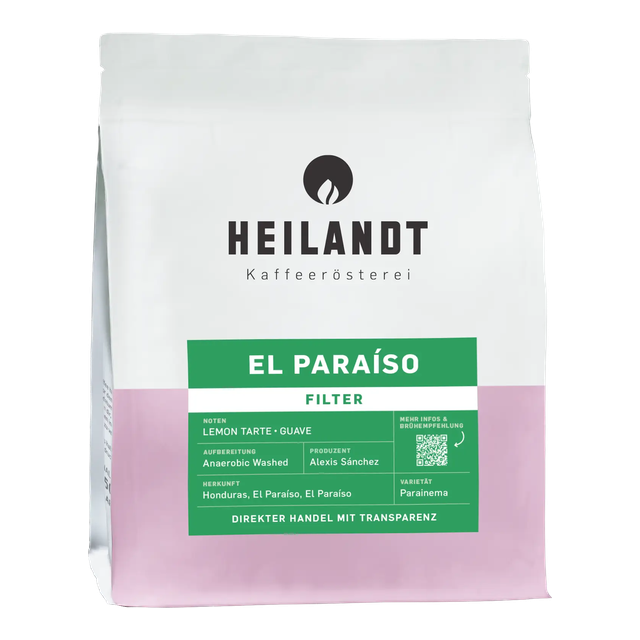
- Lemon Tarte
- Guave
- Raspberry Candy
- Lakritz
- Pfirsich
- Bergamotte
- Hibiskus
- Nektarine
- Pfirsich
- Oolong
- Pomelo
- Aprikose
- Maracuja
- Cassis
- Pflaume
- Vanille
- Minze
- Zitrone
- Zimt
- Apfel
- Blaubeertörtchen
- Gummibärchen
- Cider
- Litschi
- Pfirsich-Eistee
- Vanille
- Ananas
- Kirsch-Lolli
- Pfirsich
- Mango
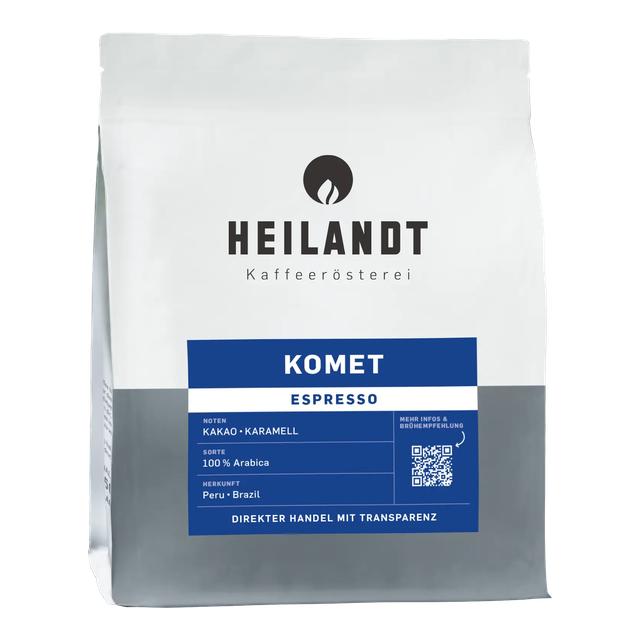
- nussig-süß
- schokoladig
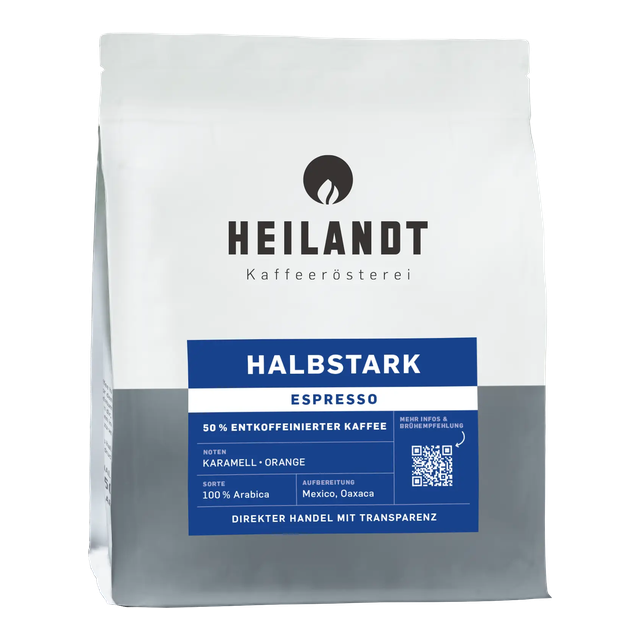
- üppige Süße
- leicht säuerliche Fruchtnoten
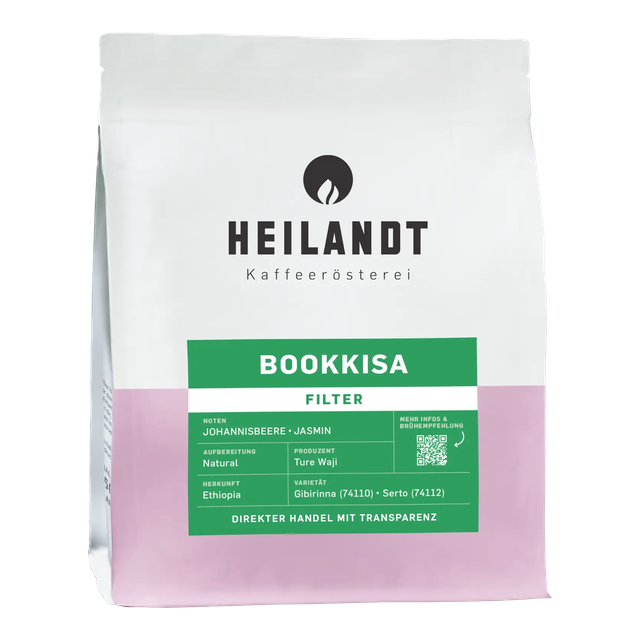
- Jasmin
- Holunderblüte
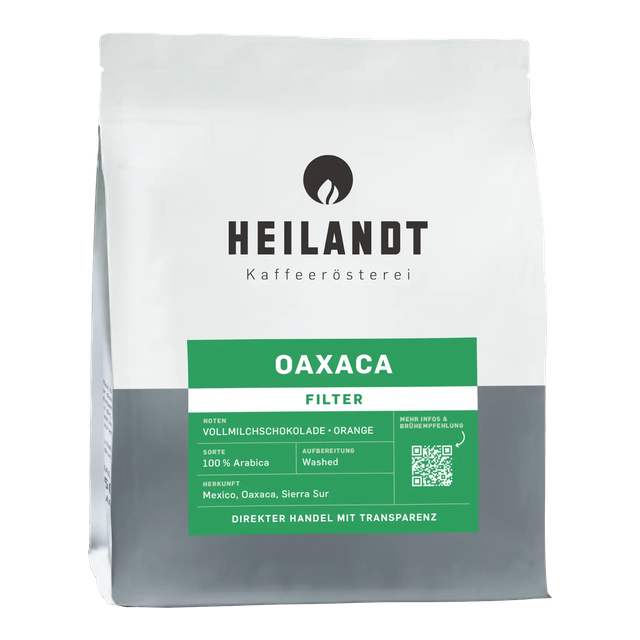
- schokoladig
- fruchtige Süße
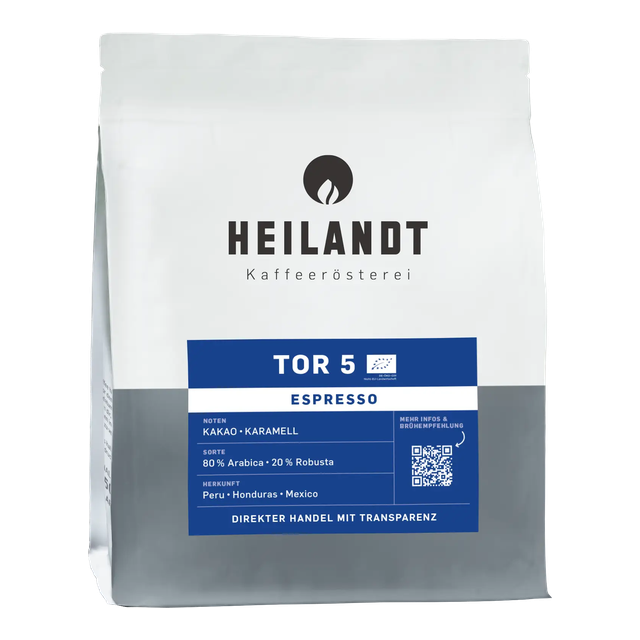
- Vollmilchschokolade
- Toffee
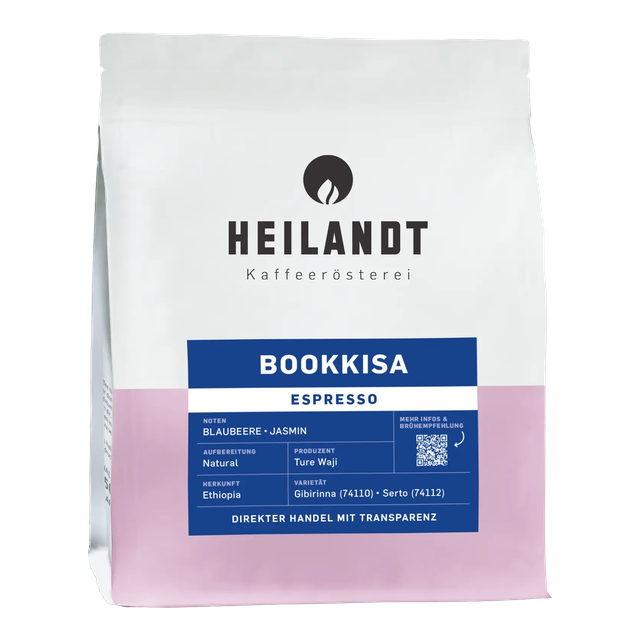
- Vanille
- Jasmin
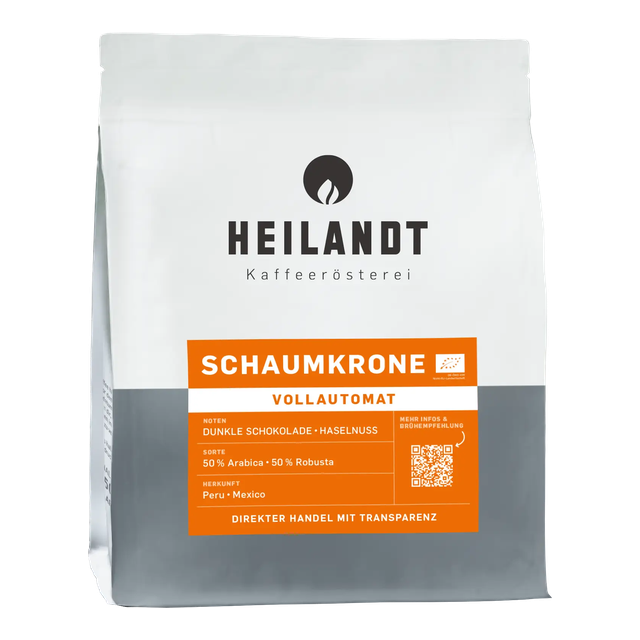
- dunkle Schokolade
- Haselnuss
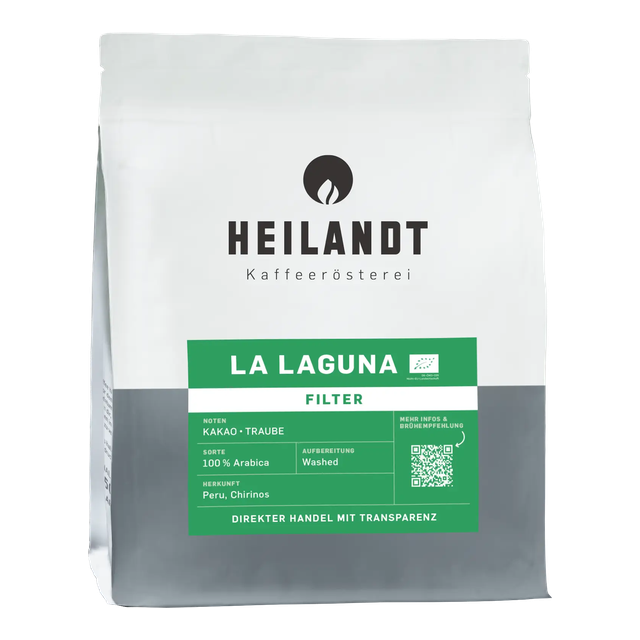
- Kakao
- Rosine
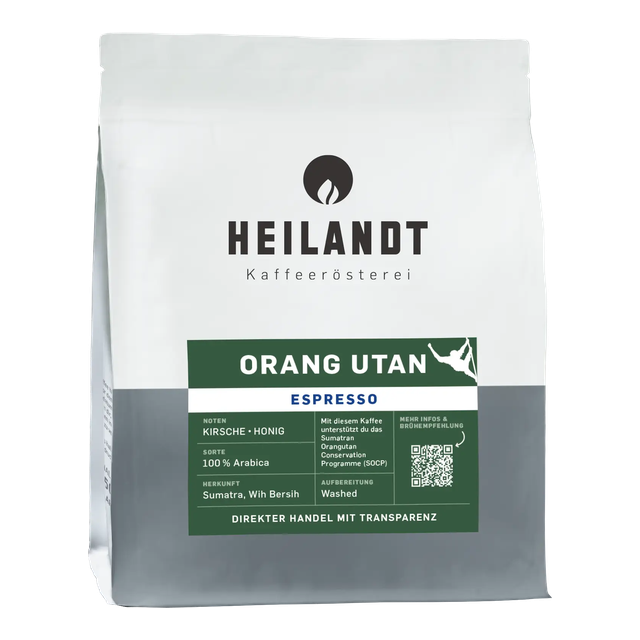
- Melasse
- Kirsche
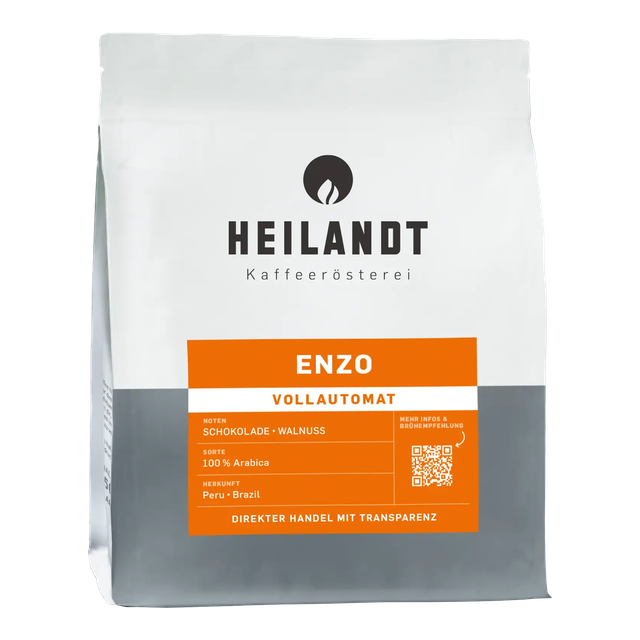
- nussig-süß
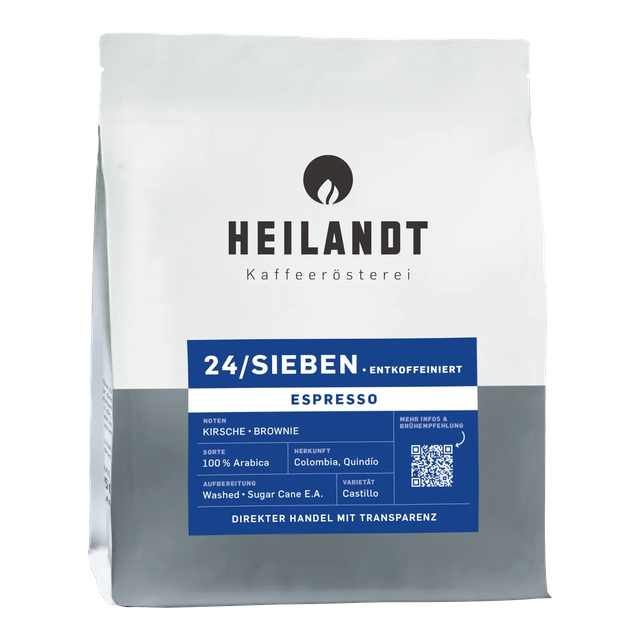
- Kirsche
- Brownie
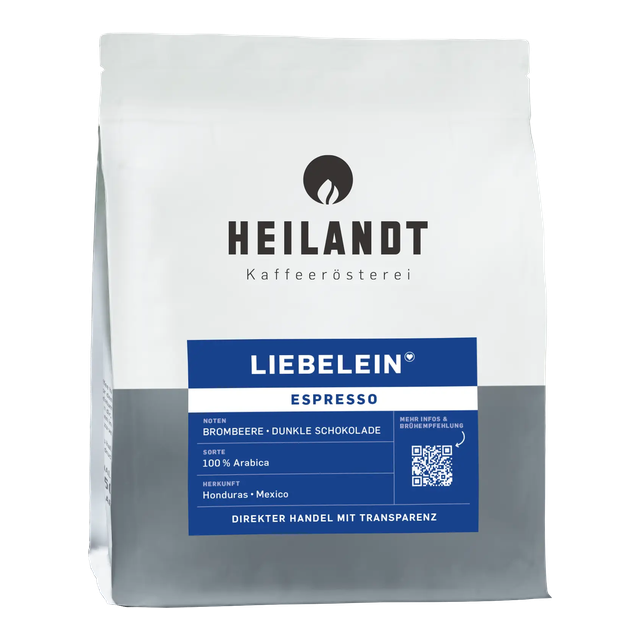
- dunkle Brombeere
- Johannisbeere
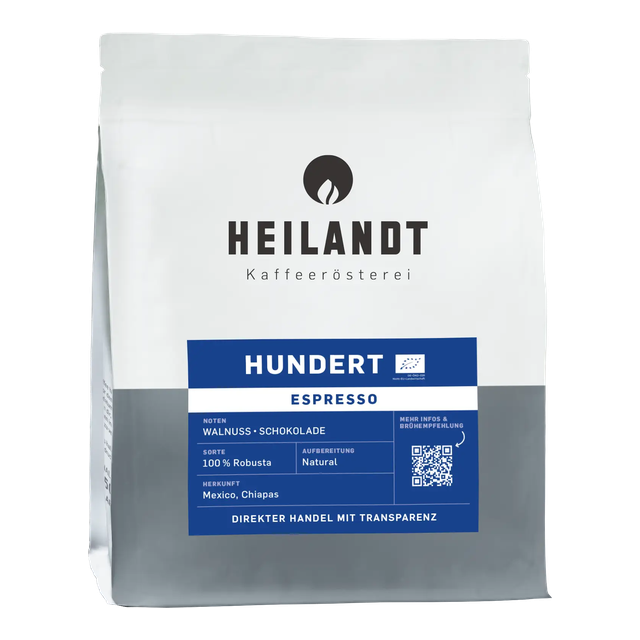
- Walnuss
- Schokolade
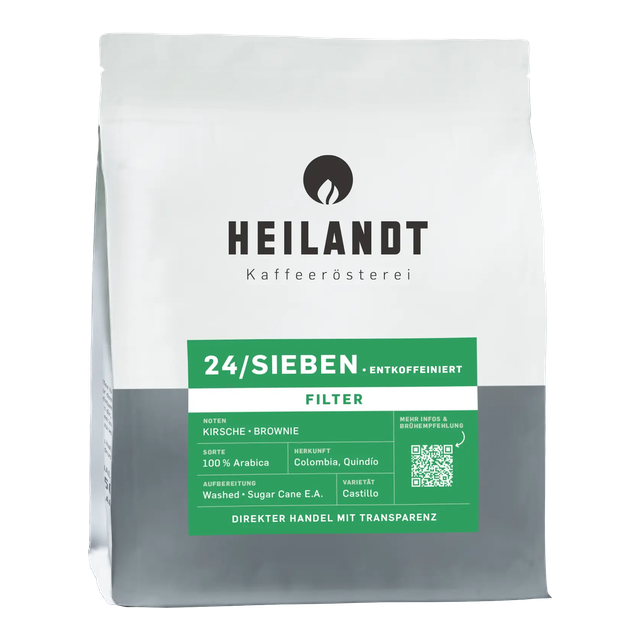
- Kakao
- Kirsch-Brownie
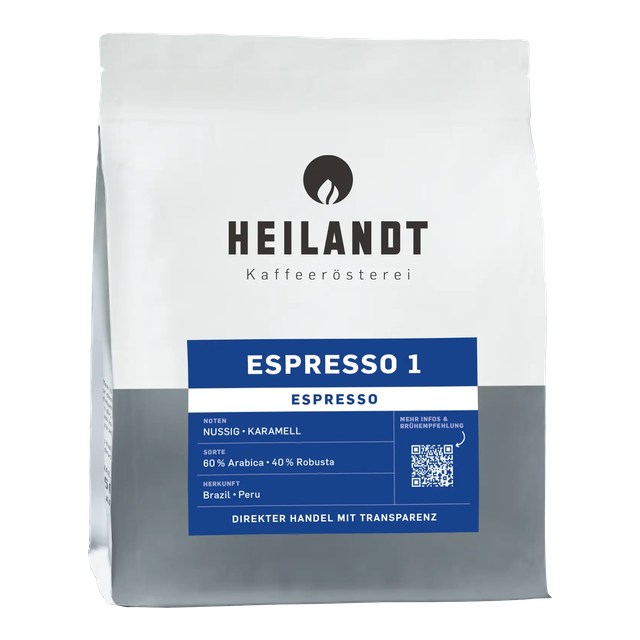
- Süße
- Schoko
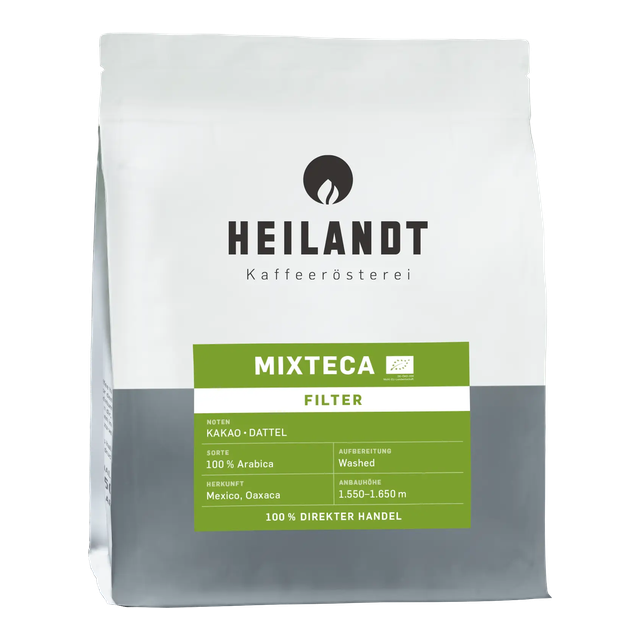
- getrocknete Dattel
- Kakao
Photograph: HEILANDT Kaffeerösterei