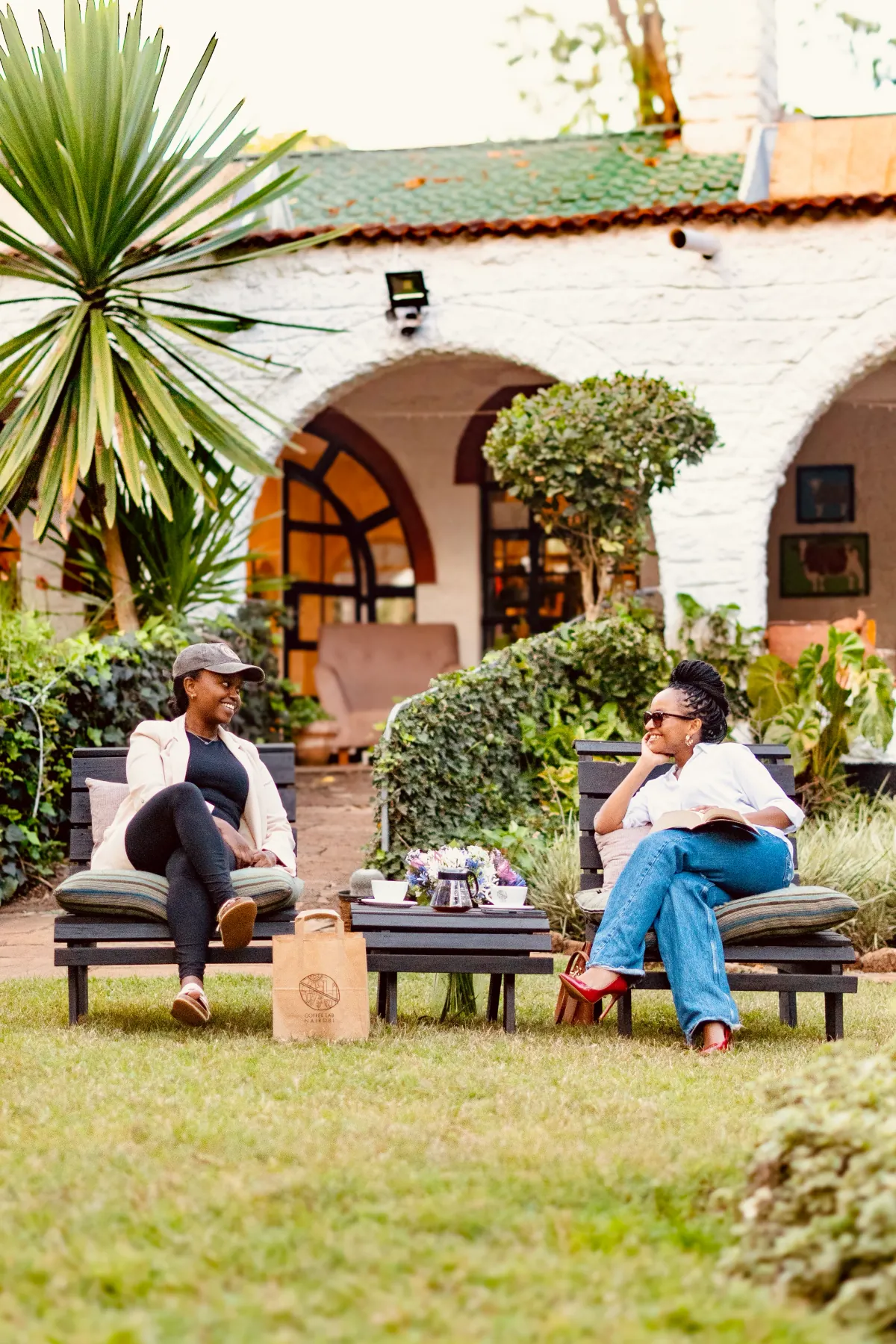
Coffee Lab Nairobi began as a weekend project. Its founder, Wanjiru, trained in particle physics and worked in tech, training neural networks, before she started renting time at a roastery in Kiambu at weekends to work out roast profiles by trial and error. She then bought a small batch roaster of her own, and in March 2024 she left her tech job to roast full time.
More than 95% of the world’s coffee is exported green, and roasting, packing and branding abroad can add more than 300% to its value. Coffee Lab roasts at origin to keep more of that value in Kenya. Its lots come from named co-operatives, wet mills and estates, from Gaikundo, Kiaguthu and Mwagi Estate in Nyeri and Gichugene in Meru to Kaptola in Bungoma. Several are naturals, a smaller share of Kenya’s output than its washed coffees, and the experimental series has included a lactic-fermented lot. Coffee Lab sometimes roasts the same coffee twice, as with Njeruri from Embu, sold as a medium roast for filter and a darker one that the café uses for milk drinks. It was a winner at AVPA Paris in 2025.
The café is in the garden at Provisions Kenya, among trees and shelves of goods made in Kenya. It serves single origins with pastries and holds cuppings, brunches and other events. The roastery takes visitors by appointment, and the coffee is also sold by subscription.
Coffee on the shelf
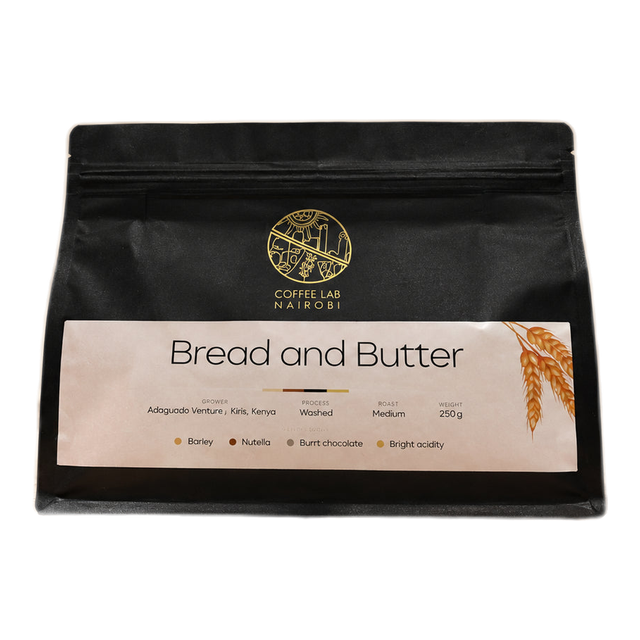
- Barley
- Nutella
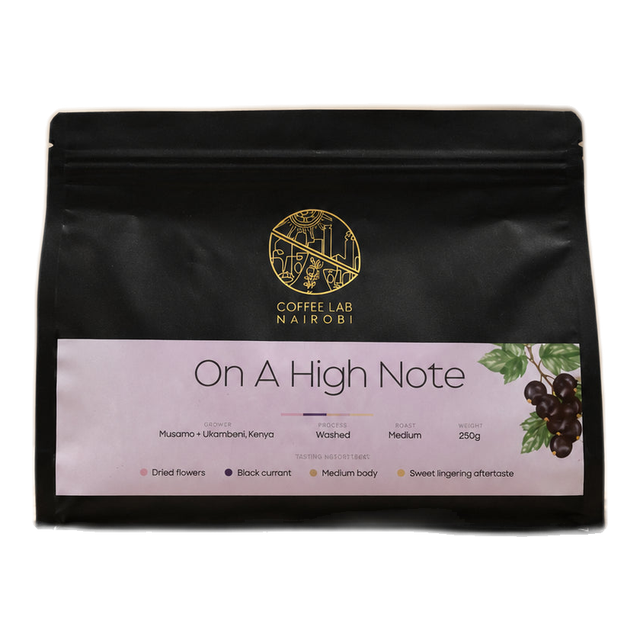
- Dried flowers
- Black currant
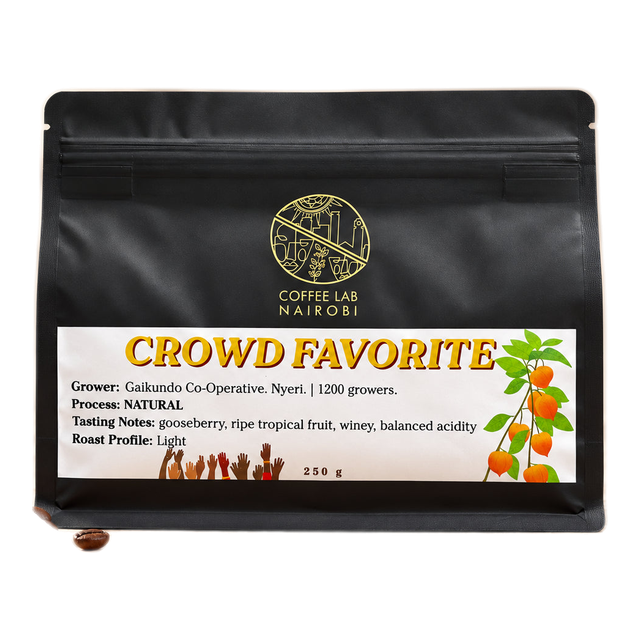
- Gooseberry
- Ripe tropical fruit
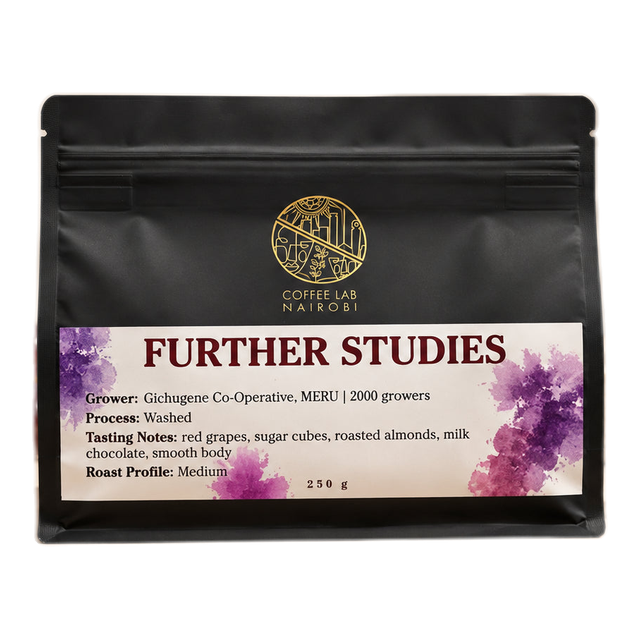
- Red grapes
- White sugar
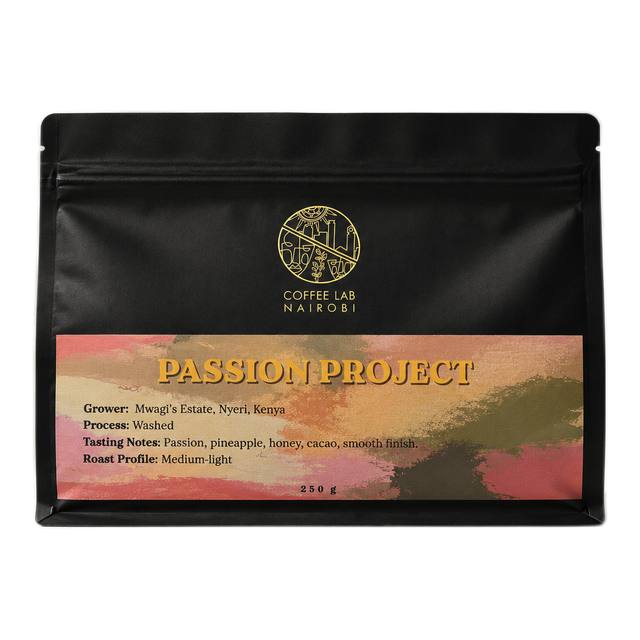
- Passion fruit
- Pineapple
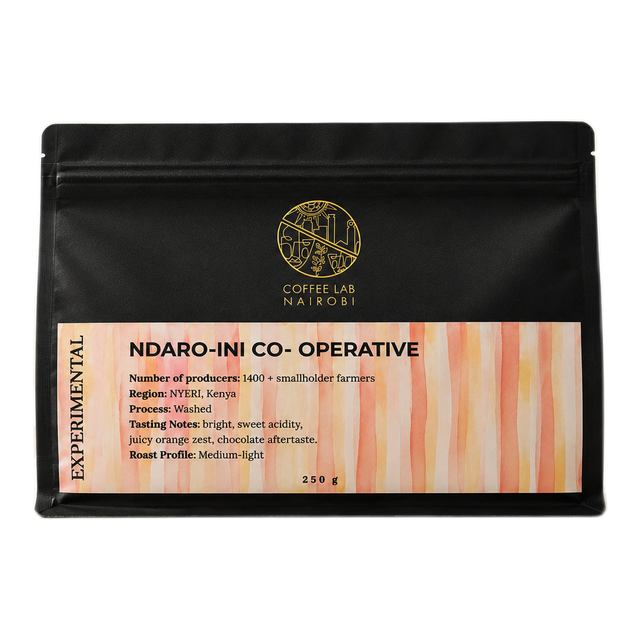
- Bright acidity
- Juicy orange zest
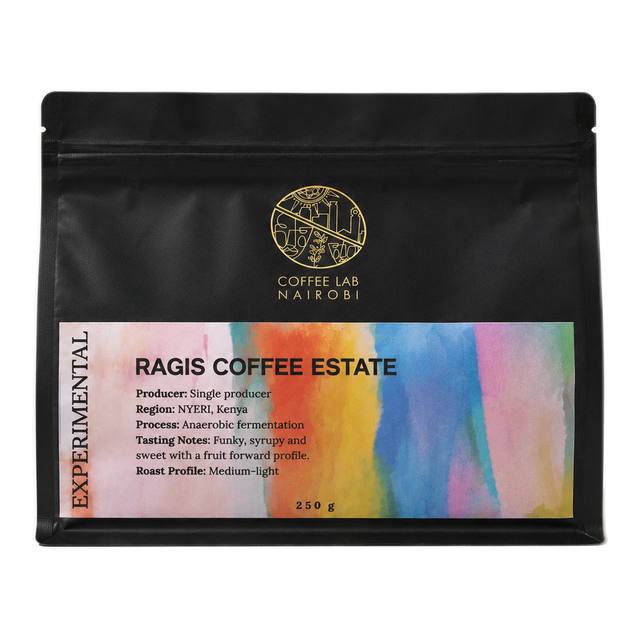
- Hibiscus
- Dark red fruit
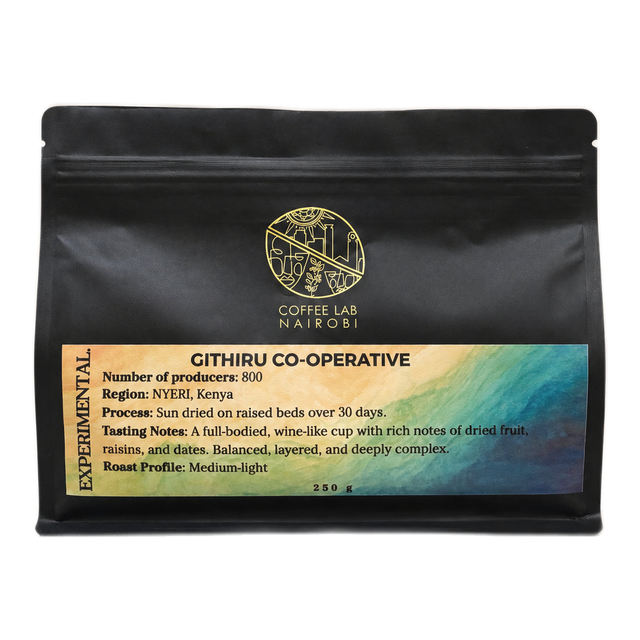
- Dried fruit
- Raisins
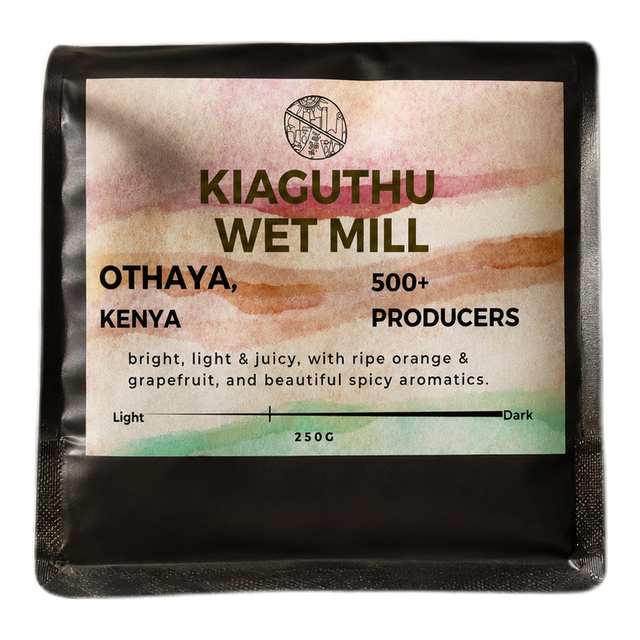
- Ripe orange
- Grapefruit
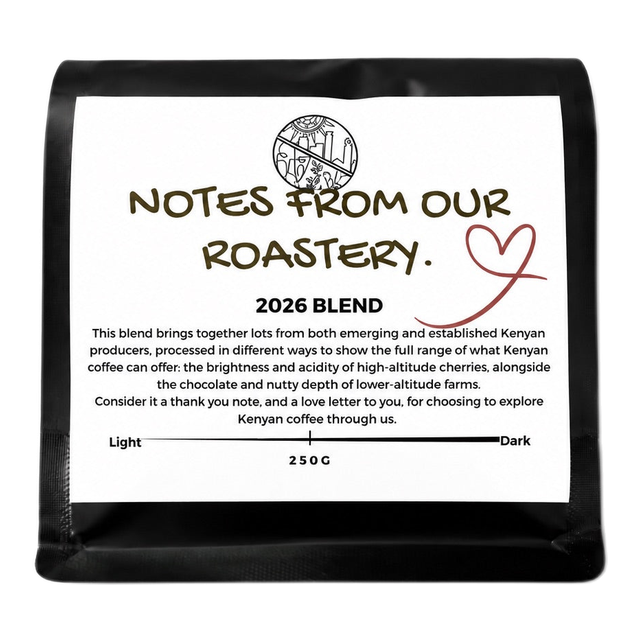
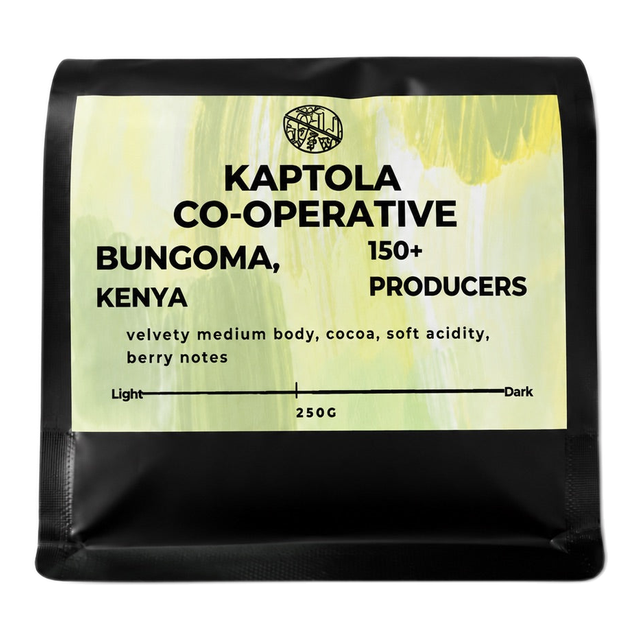
- Full body
- Nutty
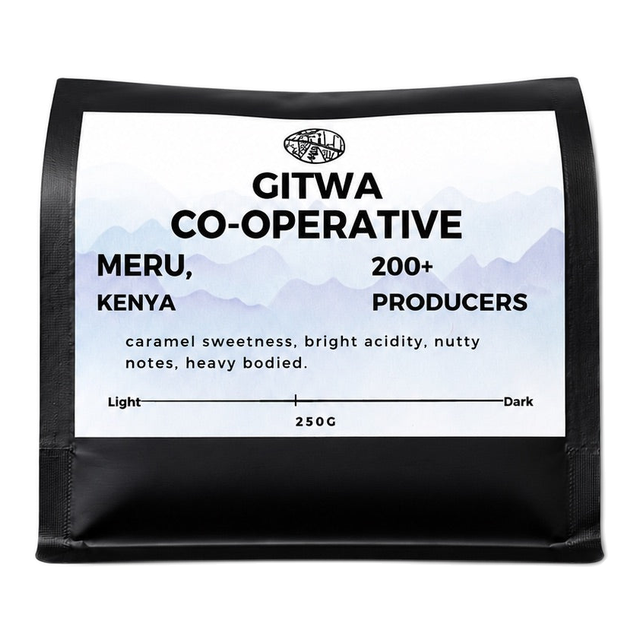
- Bright acidity
- Heavy body
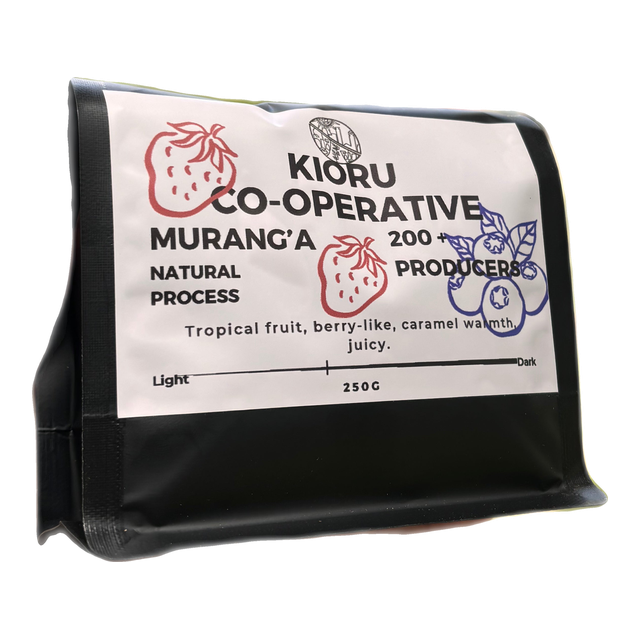
- Berry
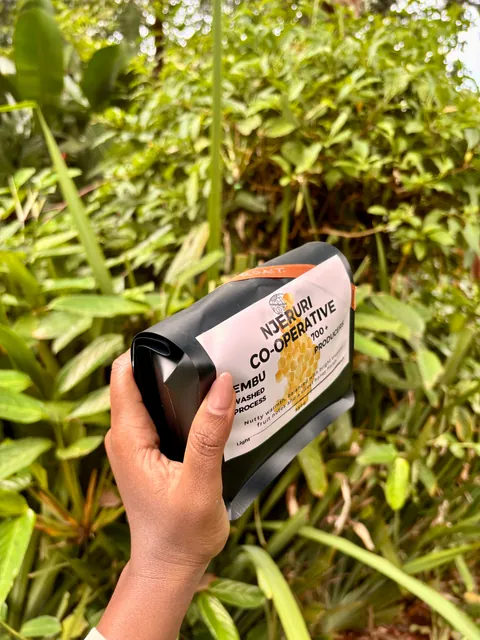
- Rich chocolate
- Nutty
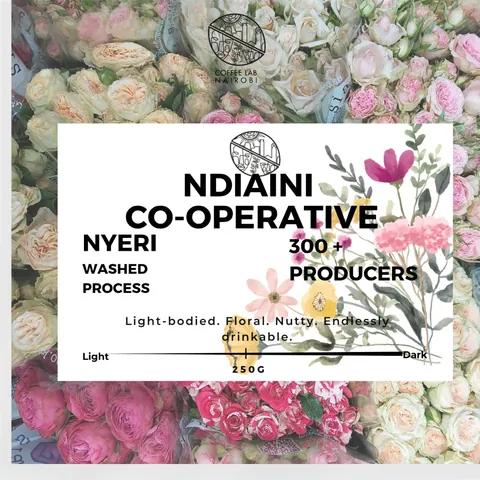
- Clean
- Fruity
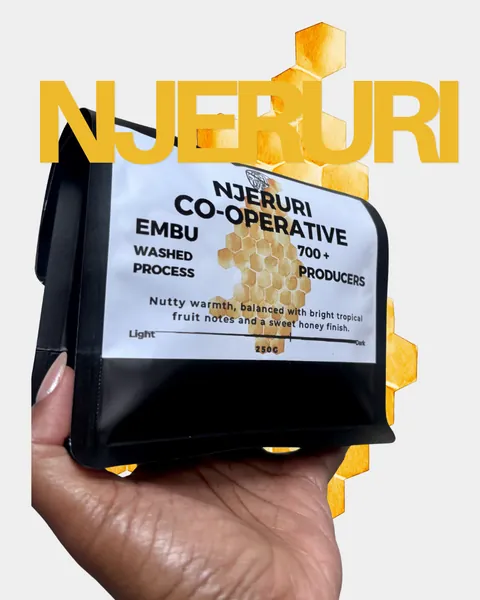
- Honey
- Nutty
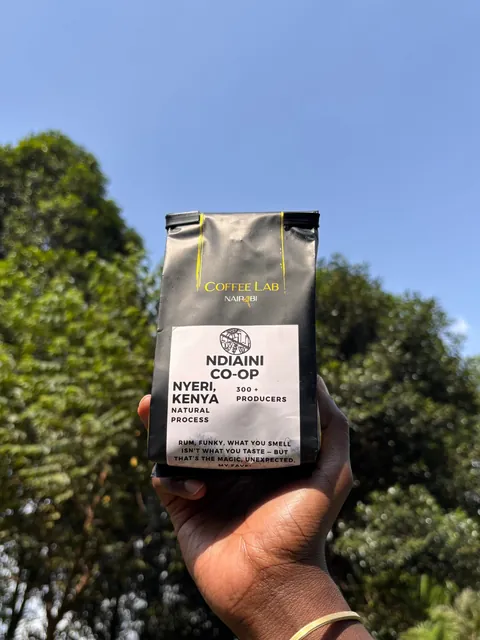
- Floral
- Fruity
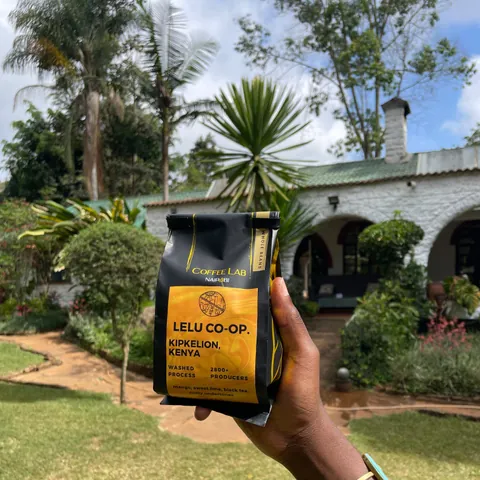
- Mango
- Sweet lime
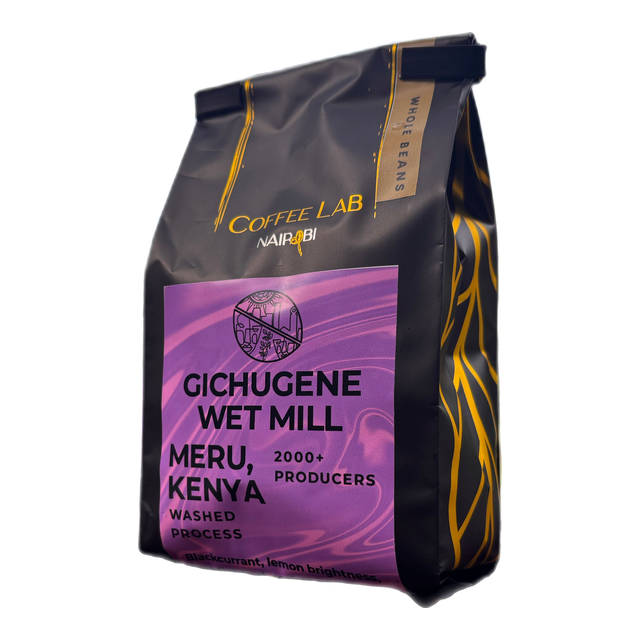
- Blackcurrant
- Lemon
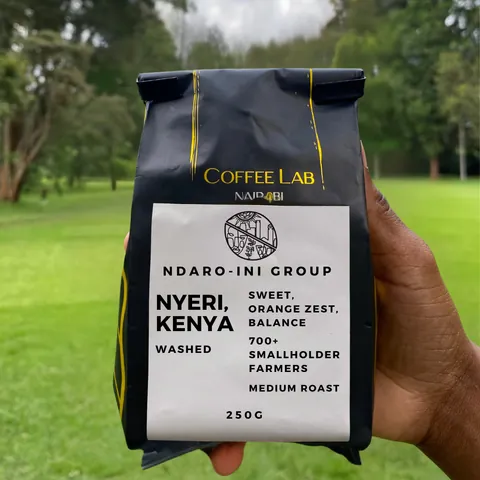
- Citrus
- Heavy body
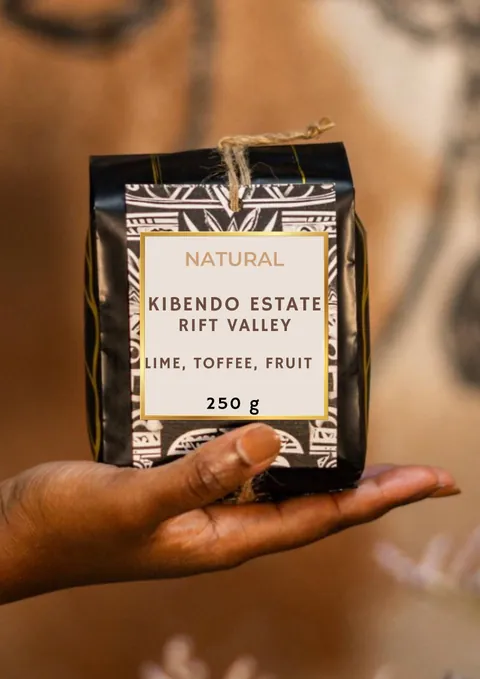
- Lime
- Sweet aftertaste
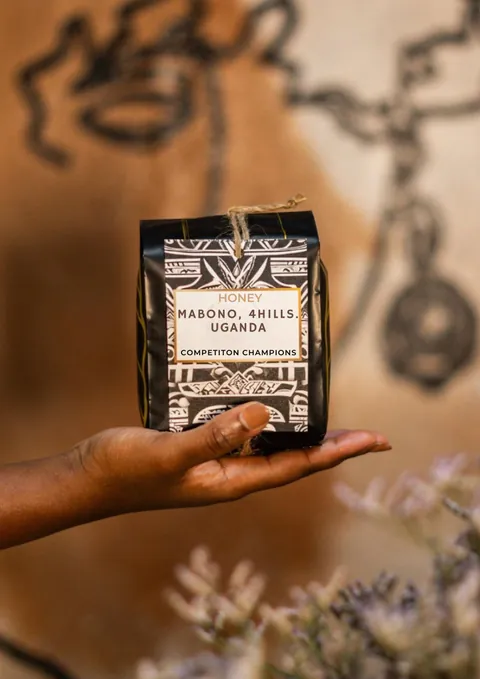
- Black tea
- Caramel
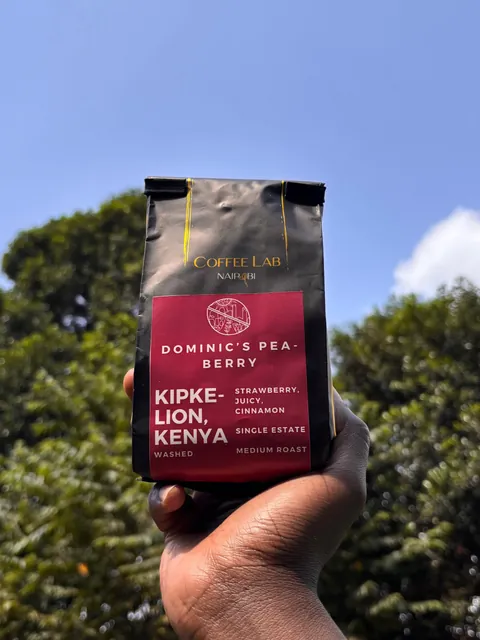
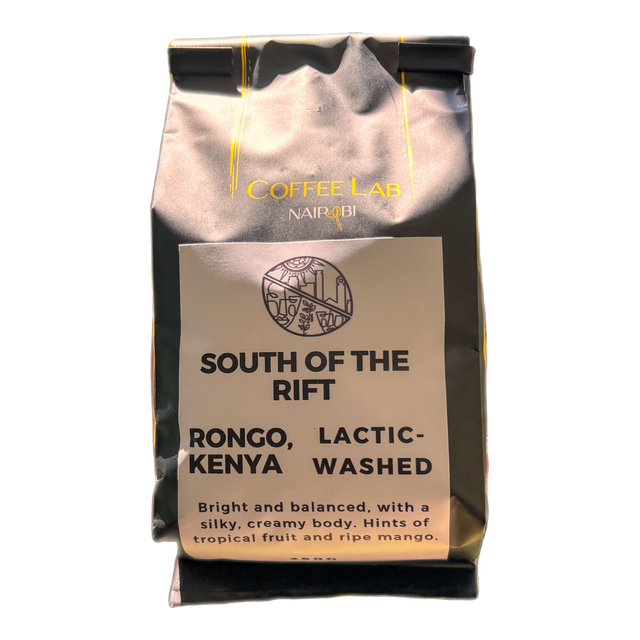
- Tropical fruit
- Ripe mango
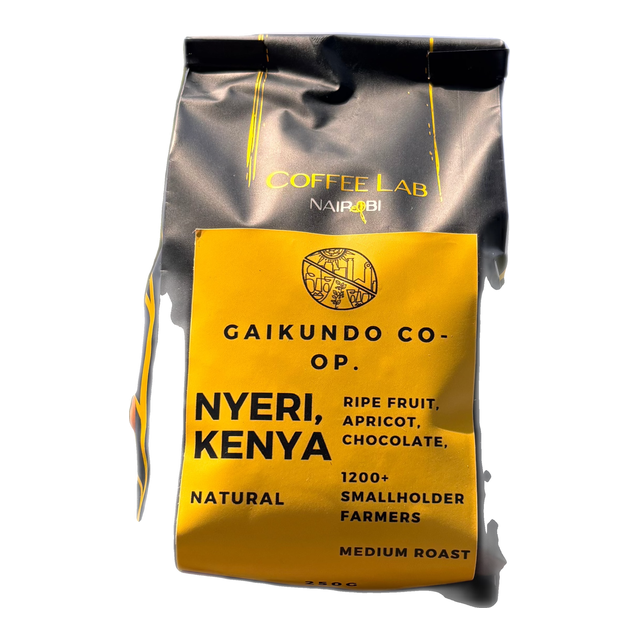
- Floral
- Heavy body
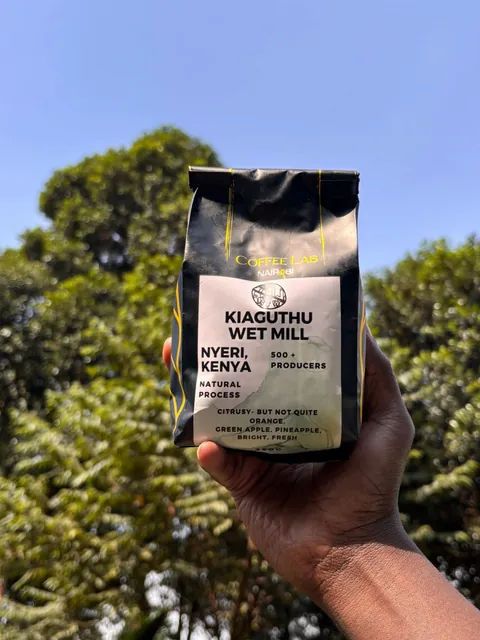
- Green apple
- Pineapple
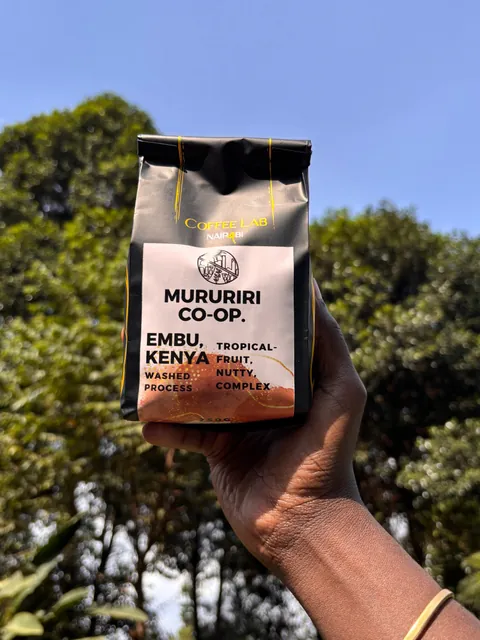
- Tropical
- Nutty
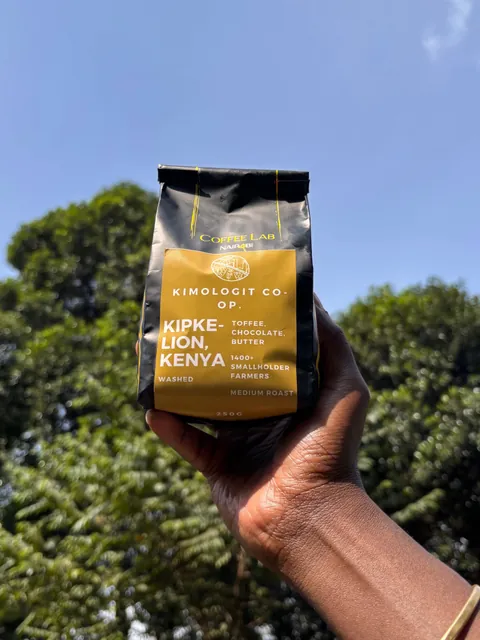
- Toffee
- Buttery finish
Photograph: Coffee Lab Nairobi