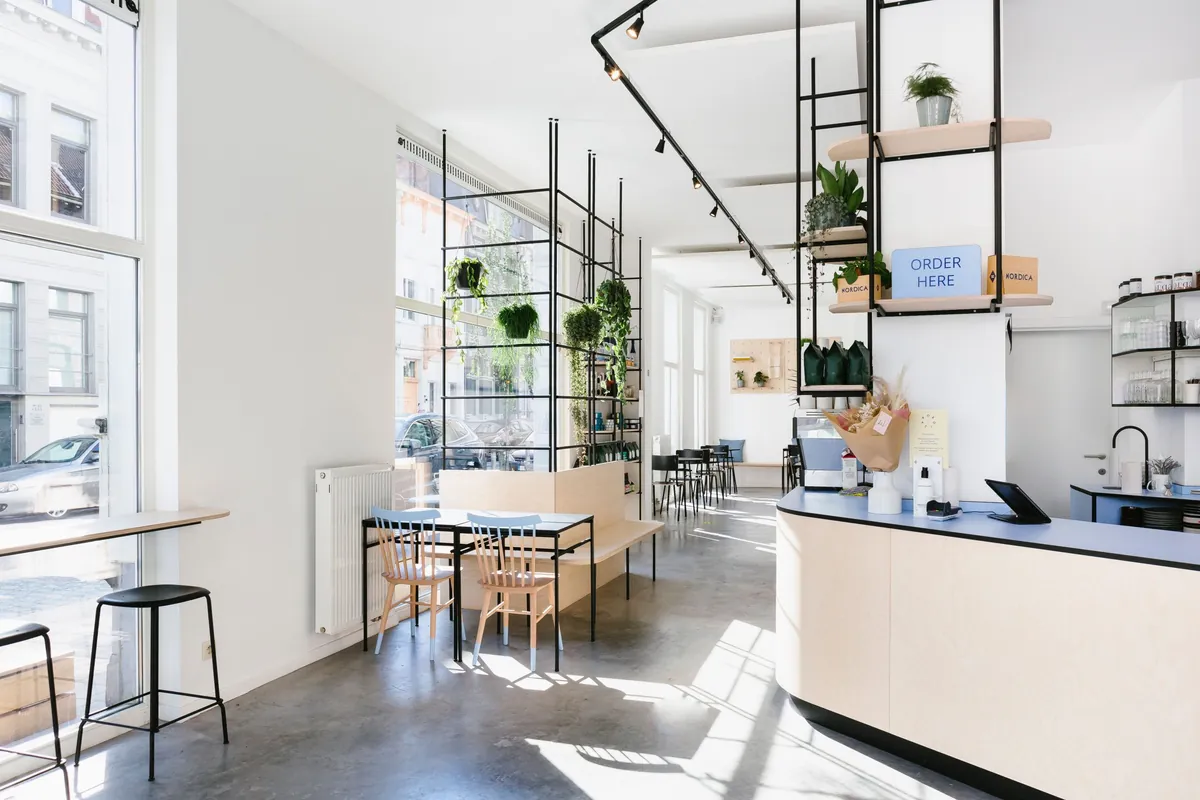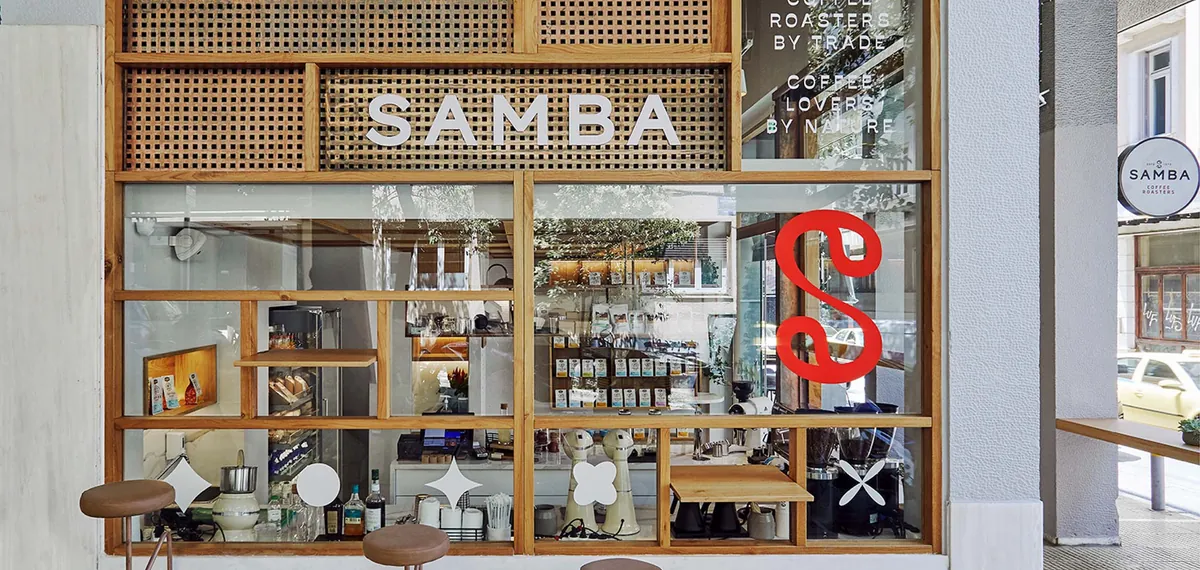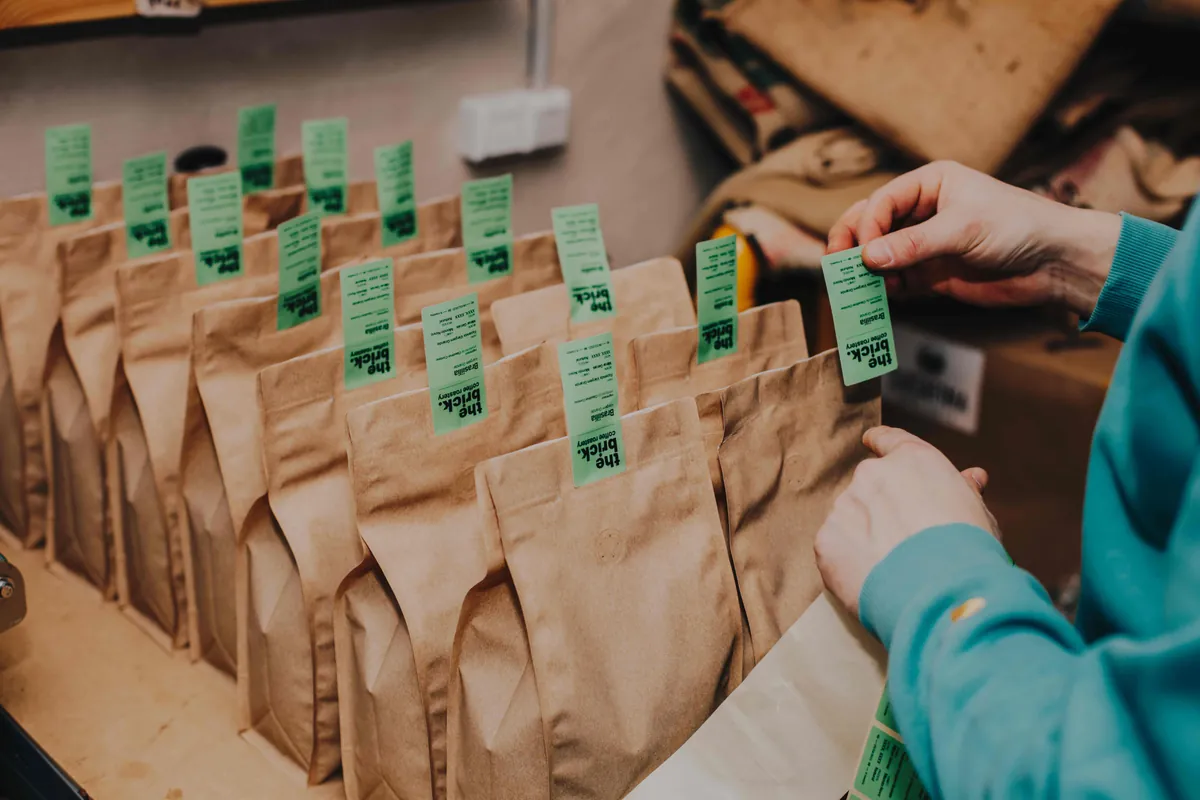
Four of these six Tallinn coffee shops roast their own coffee. The Brick roasts in Telliskivi, KOKOMO in the Põhjala factory on the Kopli peninsula, and Paper Mill in the 1912 fire station of the old pulp and paper factory, with two more cafés in the centre and in Volta. KODÛ roasts small batches and serves them by Terminal A of the Old City Harbour. Kiosk Kohvik pours coffee from Lykke Coffee Farms in four cafés across the city, and RØST, a sourdough bakery in the Rotermann Quarter, brews coffee from The Brick and other small European roasters.
The Brick Coffee Roastery, Telliskivi
The Brick Coffee Roastery is a roastery and brew bar in Telliskivi, and its café has a kitchen. Henry Politanov, its founder, is the roast master, and the company has been selecting, roasting and brewing coffee for seven years. Its mission is to bring out the best examples of coffee from each producing country, so that drinkers can taste the profiles of different regions and meet the people behind them. The coffee is roasted light to keep each origin’s character, and every coffee is sold with its farmer or washing station, farm, variety, process and altitude; some also come with the farm-gate and FOB prices paid. Its idea of sustainability covers people, planet and pay, and its coffee is priced above commodity coffee so that more of the money reaches the farmers. The Brick also supplies cafés and offices, with training and equipment. On 5 September 2026 it hosted the Estonian AeroPress Championship at the roastery, with a trip to the World AeroPress Championship in Mexico City for the winner. The café takes no reservations.
KOKOMO Coffee Roasters, the Põhjala factory in Kopli
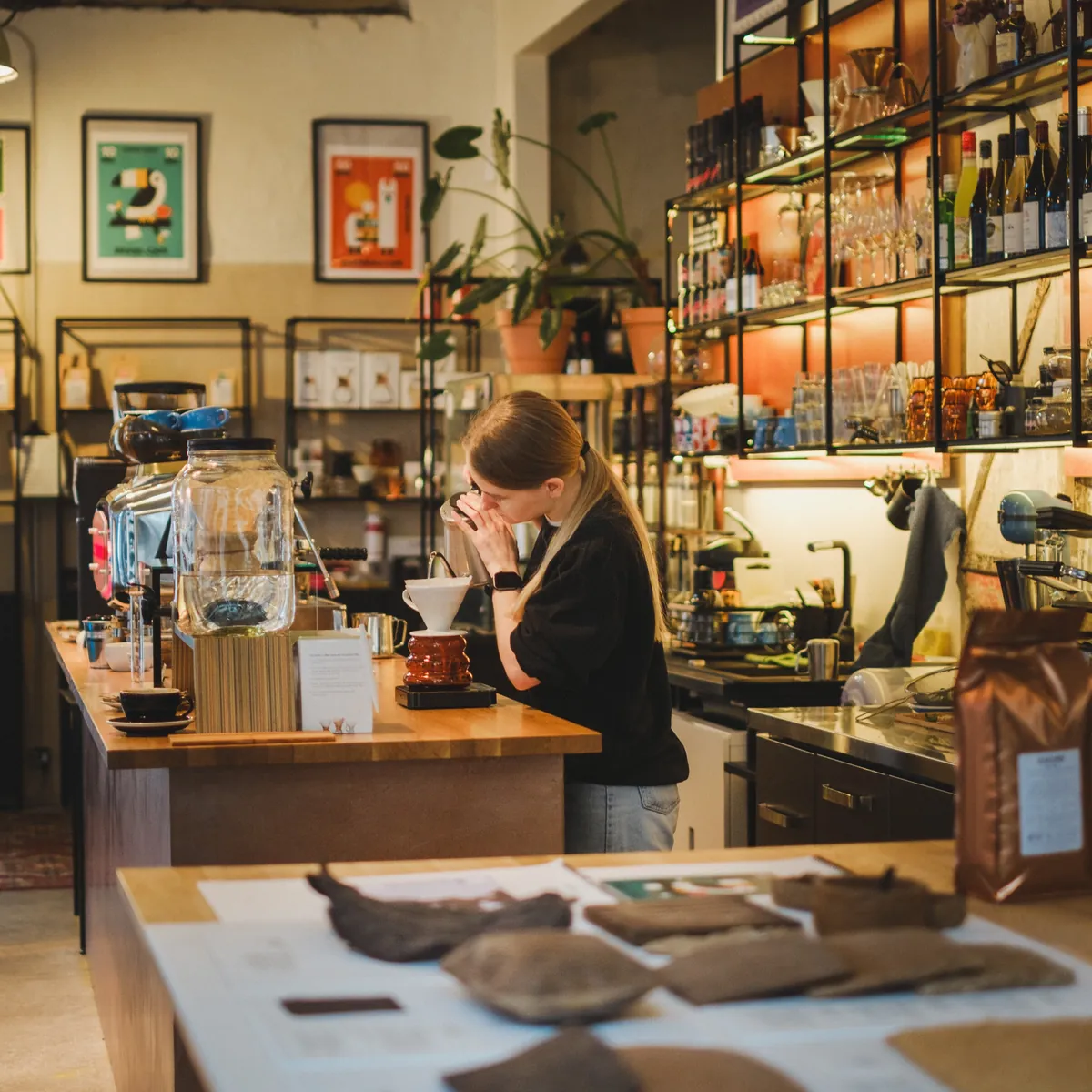
KOKOMO Coffee Roasters is a small family business that roasts coffees from different origins and brings them out in step with the season and the harvest. Its café-roastery is part of the Põhjala factory community, and visitors can drink coffee there and watch the roasting. KOKOMO started in 2013 with a small café in the old fishing port of Koguva on Muhu island, which is why the brand has a marine theme: a wordmark drawn from the lettering on wooden fishing boats, marbled paper labels and an embossed anchor. Besides coffee there is wine, beer and freshly made Italian-style sandwiches, with sourdough cinnamon rolls from Don Foca on the counter every day. The room seats up to 20 and can be hired for meetings, workshops and birthdays, and KOKOMO runs cupping sessions of about an hour and a half for groups of eight to ten.
Paper Mill Coffee, a 1912 fire station, Viru Keskus and Volta
Paper Mill Coffee is a roaster with its own bakery and three cafés. The flagship café and the roastery share the former fire station of the Tallinn Cellulose and Paper Factory, completed in 1912. The second café is in the Viru Keskus food hall, and the third is Bakermill, Paper Mill’s bakery and café in the Volta district. Paper Mill roasts light on a Probat and buys through suppliers who work closely with farmers. Its house blend, Paper Mill Espresso, pairs a Brazilian coffee from Mogiana with a washed Ethiopian lot, its filter lots come from Ethiopia, Uganda, Honduras and Peru, and a Pulp series from Brazil and Peru is roasted a touch longer for home machines. One euro from every bag of its Halo Ethiopia goes to Project Waterfall, which supports clean water, sanitation and education in coffee-growing regions. At the roastery it runs workshops for groups of up to seven, on filter coffee, cupping, and espresso and latte art. In 2026 Paper Mill placed 29th in Europe’s 100 Best Coffee Shops.
KODÛ Coffee Roaster, the Old City Harbour
KODÛ Coffee Roaster is an independent coffee shop near Terminal A of the Old City Harbour, close to the ferries. It roasts single origins in small batches with filter coffee first, and chooses distinctive origins and microlots. Filter coffee is brewed by hand on V60, Kalita, AeroPress, a cerapotta ceramic filter or a French press, next to espresso drinks and batch brew, and the kitchen makes breakfast, brunch and pastries. KODÛ holds weekend pop-ups, from cinnamon rolls to cheesecake, and in September 2026 it showed paintings by Eliis Kuusk, the artist behind its limited-edition coffee packaging. It also imports honey, washed and natural green coffee from Colombian farms and sells it to other roasters.
Kiosk Kohvik, four cafés from the Old Town to Kalamaja
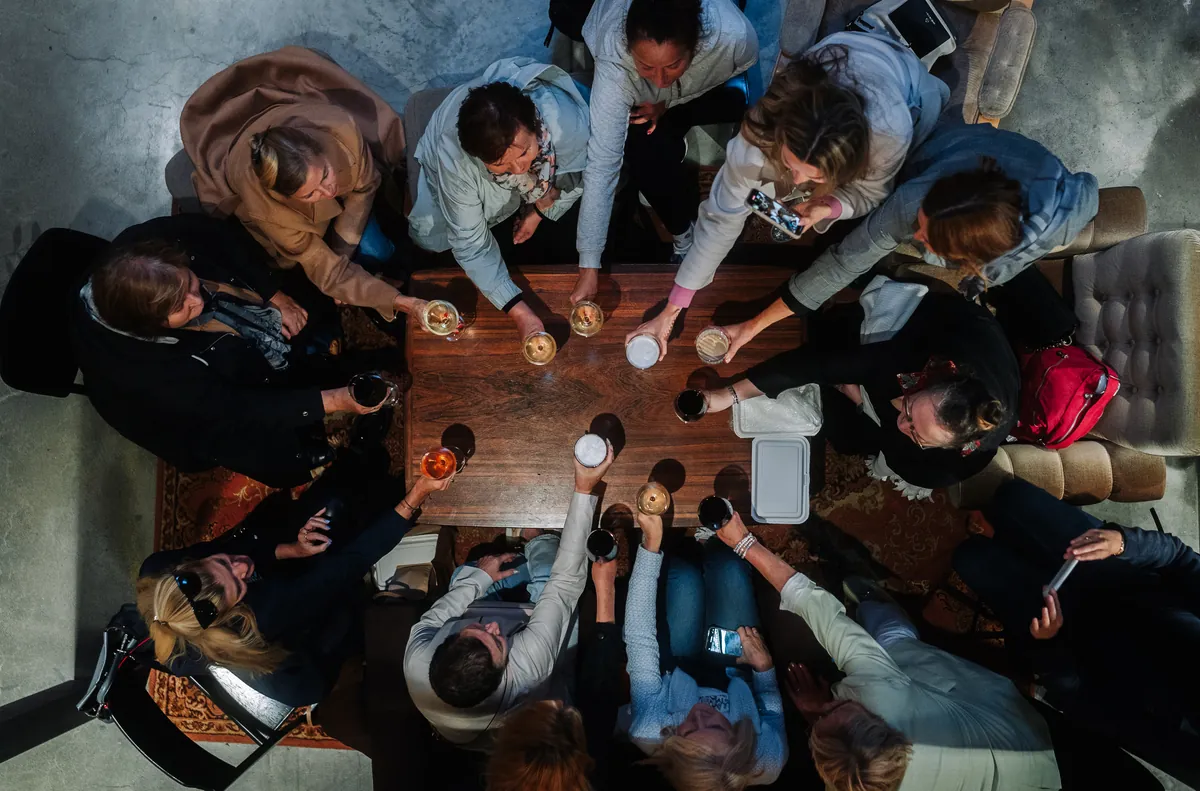
Kiosk Kohvik runs four cafés numbered No1 to No4: in the city centre, in the Old Town, in the Põhjala factory in Kopli and in Kalamaja. All four pour coffee from Lykke Coffee Farms, known in Sweden as Lykke Kaffegårdar, which grows, buys and roasts its coffee itself and owns its farms and company together with the farmers. Kiosk’s aim is to raise people’s knowledge of coffee, and every bag it sells leaves with information on where the coffee comes from and who grew it and how. It teaches a two-hour basics course, a beginner barista course, and hand brewing for two to four people at Kiosk No4. Three of the cafés can be hired for events, from ten people in the Old Town to 150 in the Põhjala factory.
RØST, the Rotermann Quarter
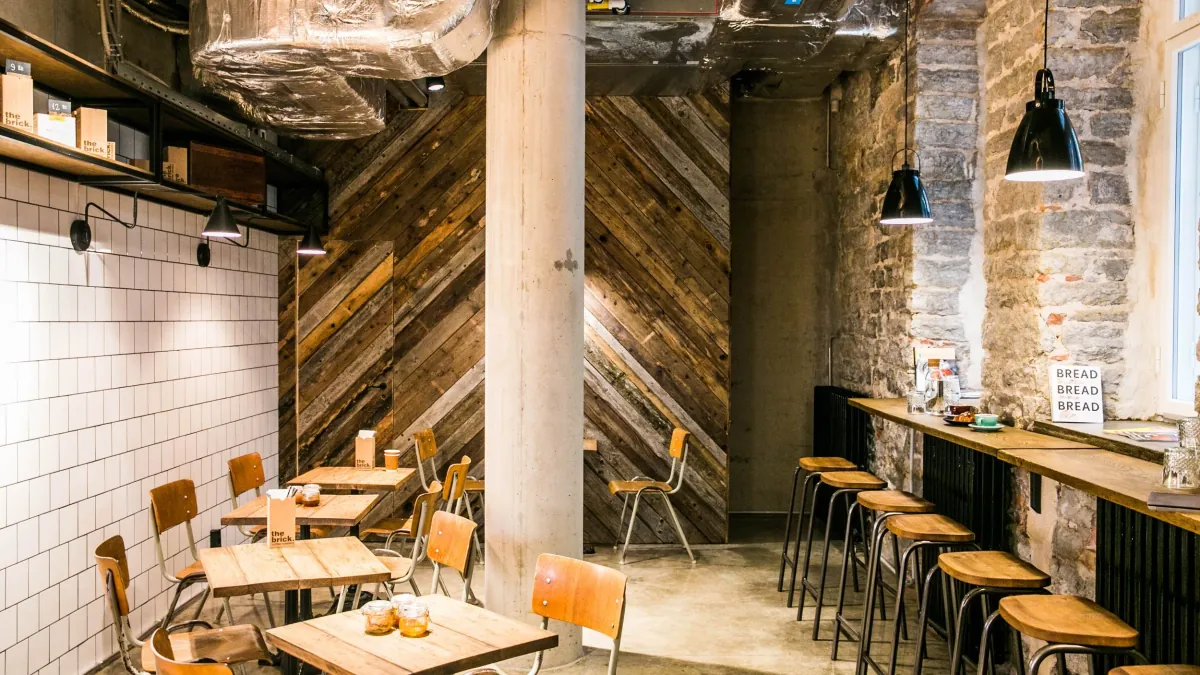
RØST is a small bakery with Scandinavian influences in the historic Nisuveski building of the Rotermann Quarter, in the heart of Tallinn. It bakes sourdough breads on natural leaven, pastries and sandwiches, and its regular range includes cinnamon and cardamom buns, a seasonal bun, gougères and nata. The coffee comes from The Brick and from other small roasters around Europe. RØST takes orders for its regular pastries with at least a day’s notice.
What you need to know about Tallinn specialty coffee
Which Tallinn coffee shops roast their own coffee? The Brick roasts in Telliskivi, KOKOMO in its café-roastery in the Põhjala factory, Paper Mill in its old factory fire station, and KODÛ roasts small batches for its café by the harbour.
Which roasters do the other cafés serve? Kiosk Kohvik pours coffee from Lykke Coffee Farms in all four cafés, and RØST serves coffee from The Brick and other small European roasters.
Where can you learn about coffee? Paper Mill runs filter, cupping, and espresso and latte art workshops at its roastery. Kiosk teaches a basics course, a beginner barista course and hand brewing, and KOKOMO runs cupping sessions for groups of eight to ten.
Where is there food with the coffee? Paper Mill has its own bakery, Bakermill, and serves freshly baked pastries in its cafés. RØST bakes sourdough bread, buns and sandwiches, KODÛ serves breakfast and brunch, and KOKOMO makes Italian-style sandwiches. The Brick has a kitchen in its café.
Can you book a table? The Brick takes no reservations. KOKOMO and Kiosk Kohvik hire out their rooms for events, and Kiosk’s room in the Põhjala factory holds up to 150 people.
Photo credits
Photographs belong to the businesses and are reproduced from their official websites with attribution.