Seven of the nine places in this guide roast their own coffee, and every one of them roasts Colombian coffee. Amor Perfecto has done so since 1997 and roasts at origin; Tropicalia, Libertario, Varietale, Azahar, Catación Pública and Café Cultor buy from growers across the country, from Nariño and Cauca in the south to the Sierra Nevada de Santa Marta in the north. Café 18 serves its own coffees from regional lots, single varieties and auction lots, and Valiente Café in La Macarena is a fully vegan café and barista school. Most of the cafés are in the north of the city, in Chapinero, Quinta Camacho, Zona G, El Nogal, Rosales, around the Parque de la 93 and in Usaquén, with others in the centre and in Salitre.
Amor Perfecto, Chapinero Alto and the city centre
Amor Perfecto has roasted and served coffee in Bogotá since 1997. Its founder, Luis Fernando Vélez, competed at the World Barista Championship in 2003, and Amor Perfecto organised Colombia’s first national coffee championships in 2006 and helped bring the World Barista Championship to Bogotá in 2011. In 2021 Diego Campos, one of its baristas, became the first Colombian World Barista Champion, and its Academia del Café has trained baristas since 2000. It roasts its coffee in Colombia and buys through direct relationships with producers and from national auctions and competitions; its range includes lots from growers in El Retiro, Antioquia, such as Martha Vallejo and Rosa Hernández. Its experience centres include a bar on Parque Santander near the Museo del Oro, cafés in Chapinero Alto, El Nogal and by Parque 93, and a coffee bar in the patio of the Librería Lerner bookshop.
Tropicalia Coffee, Quinta Camacho and El Nogal
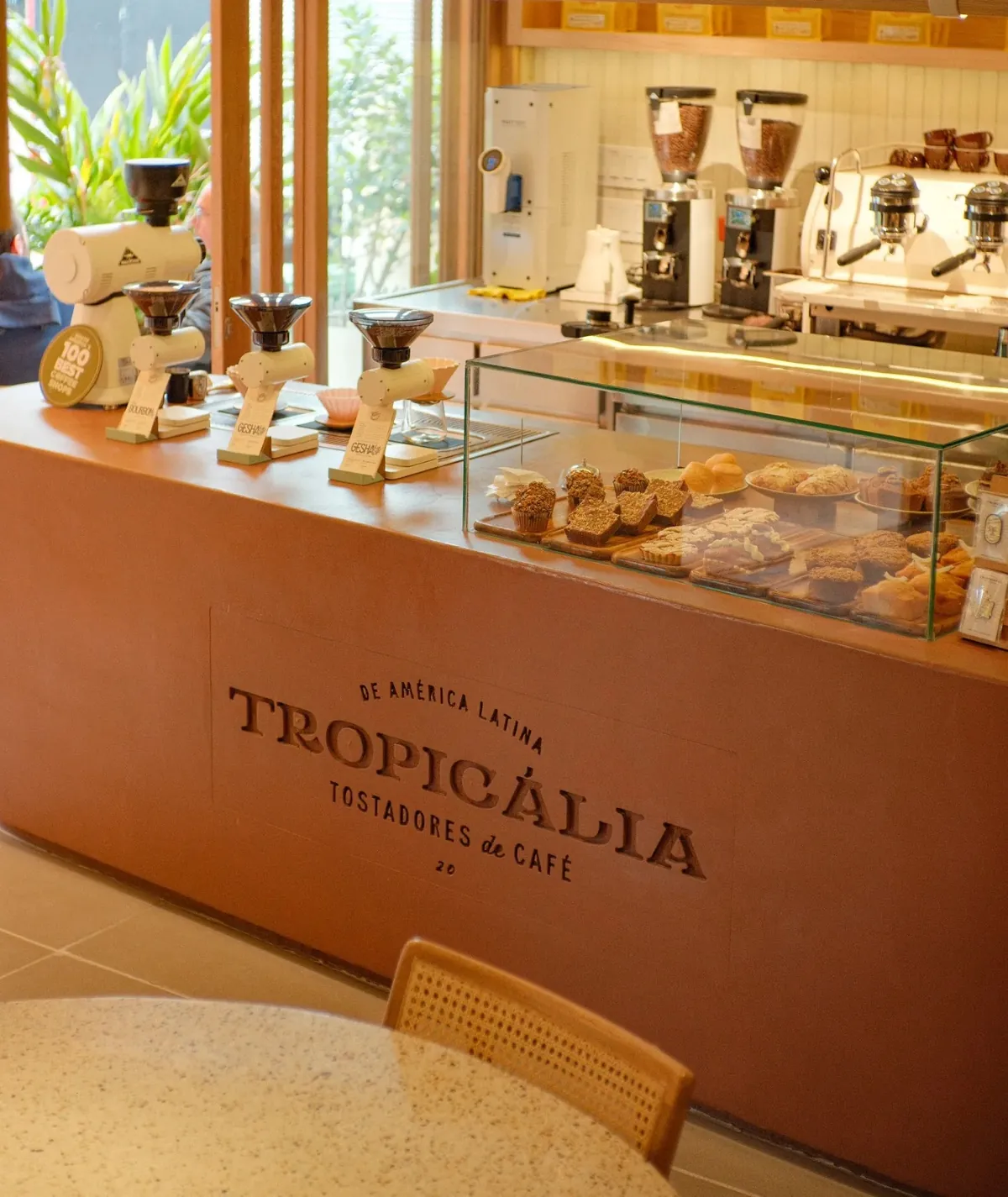
Tropicalia Coffee roasts every day, and its cuppers and roasters give each batch its own cup profile before the coffee is packed and exported from origin. Its team travels around Colombia to find growers, pays them prices meant to be economically sustainable and builds long-term partnerships so that they can invest in their farms. The coffees come in four lines: Vino Silvestre for naturals, Trópico for more adventurous lots, Esencia, led by women growers, with 3% of its sales going to conservation, and Privilegio for seasonal lots such as a washed geisha from Hacienda El Obraje, high on the slopes of the Galeras volcano in Nariño. Its two cafés, in Quinta Camacho and El Nogal, serve breakfast and weekend brunch made with local ingredients, and customers can book a cupping in the lab. In 2026 Tropicalia placed ninth in The World’s 100 Best Coffee Shops and first in Latin America.
Libertario Coffee Roasters, Zona G, Usaquén and Salitre
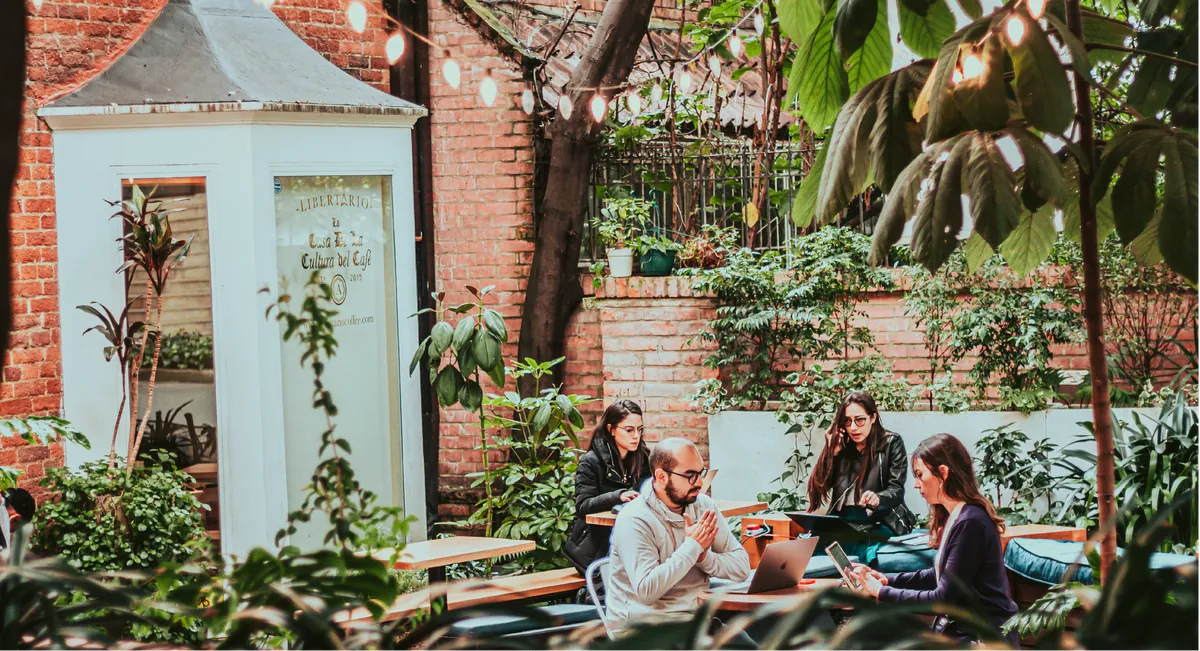
Libertario Coffee Roasters was born in 2015 and has eleven coffee shops in the city, from Zona G and the Parque de la 93 to Usaquén, Salitre and a flagship shop, with others in Cartagena and Medellín. It works with growers in Colombia and Panama and sells its coffees by profile, from Paz, a washed Caturra and Castillo blend from Huila, and the fruitier Libre to the Rock single origins and Punk, a Papayo from Acevedo, Huila, made by carbonic maceration. In every shop its baristas run tastings that compare the profiles across Chemex, French press and V60. Libertario puts 3% of its sales into a fund that pays for biochar projects on Colombian coffee farms.
Varietale, Chapinero, Javeriana and the north
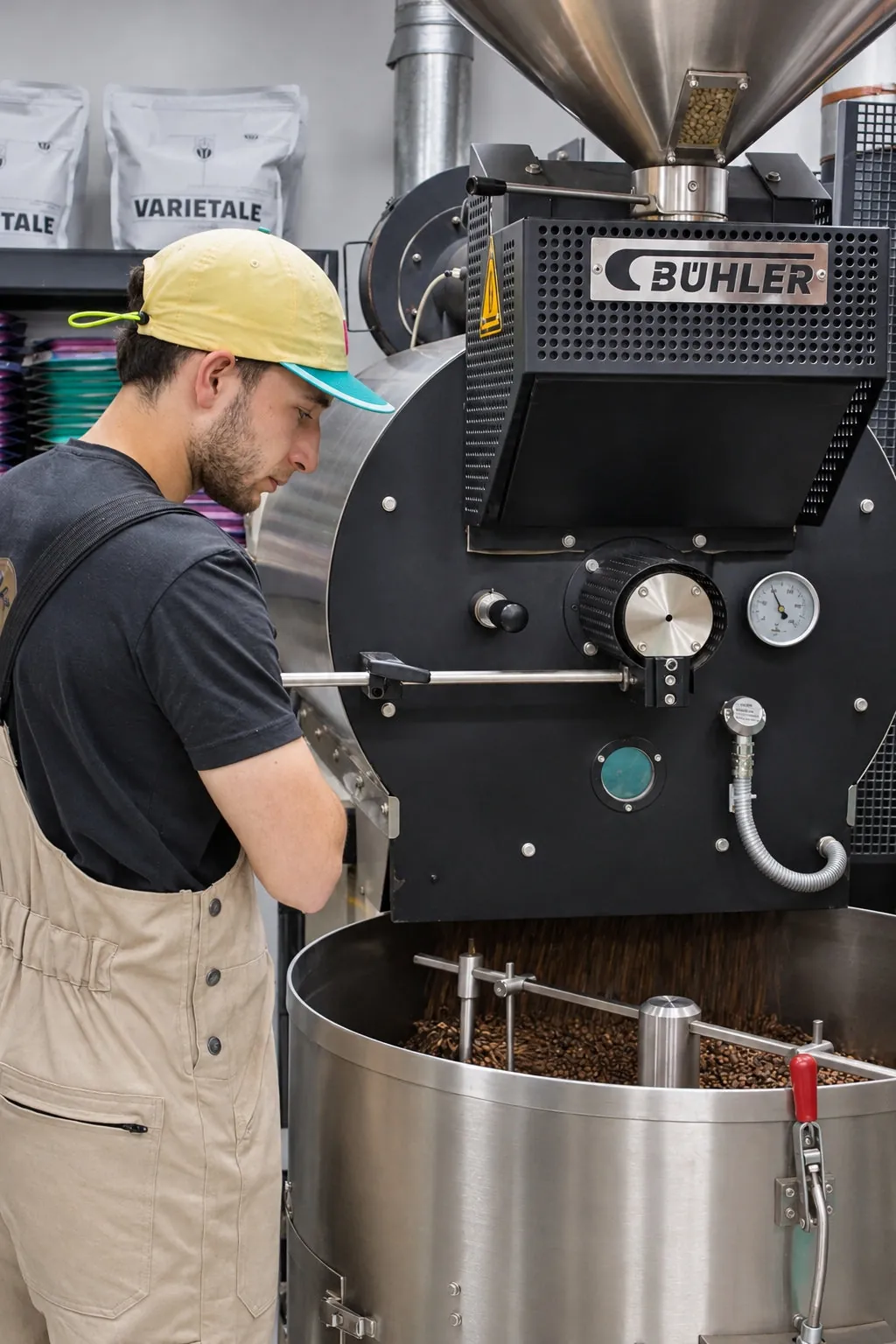
Varietale has roasted for more than fourteen years for its own cafés and sets out to revive the cafés of old, where people met friends and stayed all afternoon. It buys directly from growers at prices above the ordinary market and sorts its coffees into three lines: Especiales, coffees of traditional Colombian varieties such as Pitalito, from Jhohan Becerra in Huila; Ediciones Limitadas, such as Mesetas, grown by the Nasa indigenous community in Meta; and Exóticos, nanolots of 20 to 50 kilos such as a red honey Bourbon Papayo from Palestina, Huila. Its cafés brew by several filter methods and bake their own pastries, with brunch at Casa 57 in Chapinero, by the Javeriana university and in the Muttuo building, and further cafés in El Virrey and San Patricio. La Tostadora, its roasting arm, also roasts to order for other brands.
Azahar Coffee, Parque 93 and El Nogal
Azahar Coffee buys directly from producers, cooperatives and growers’ associations across Colombia and pays them a fixed price, set higher and steadier than the daily market, to cover their costs and reward quality. It exports micro-lots and regional blends as green coffee, and roasts the rest on its own roaster in Quindío for its cafés in Bogotá because, as Azahar puts it, “Colombia also deserves to enjoy its best coffee”. Its shelf runs from nanoeditions such as the Caturrón that Oliver Berdugo developed on his farm in Acevedo, Huila, to single-farm microlots and the Fruta and Arcoíris blends. The cafés by Parque 93 and in El Nogal have table service, and there is another in the public area of El Dorado airport.
Catación Pública, Usaquén and Rosales
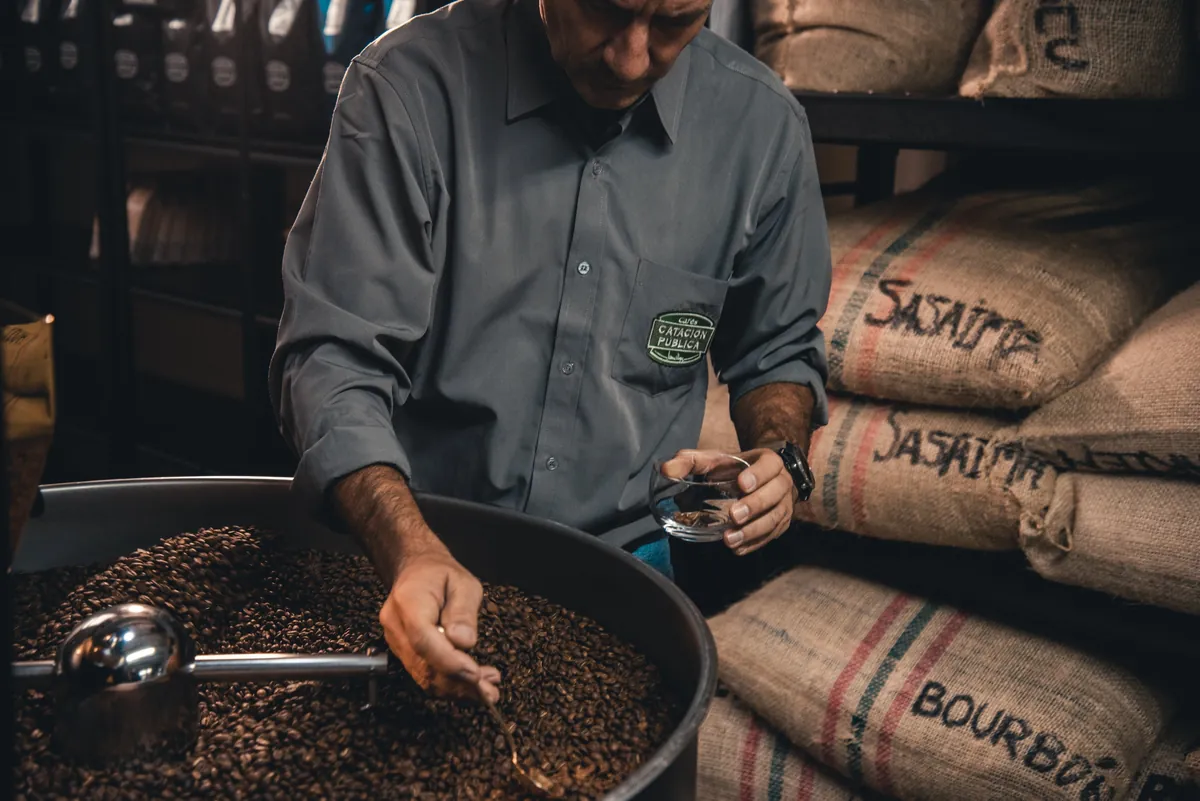
Catación Pública is a laboratory for selecting, roasting and understanding coffee, with a cupping lab certified by the Coffee Quality Institute as a Q-Venue, where it runs courses such as the Q Grader certification. Its hub in Usaquén is where the coffees are developed and cupped and where the in-depth courses take place; the newer house in Rosales is a place to discover and taste its coffees, and a third house is in Armenia, in Quindío. It selects coffees farm by farm and region by region, from Anserma in Caldas and Vianí in Cundinamarca to a washed geisha from Pitalito, Huila, and roasts them in house. Its bars run guided experiences, from a twenty-minute basic cupping to coffee paired with origin cacao and single malt whisky, and its workshops teach roasting, extraction and sensory analysis.
Café Cultor, Quinta Camacho
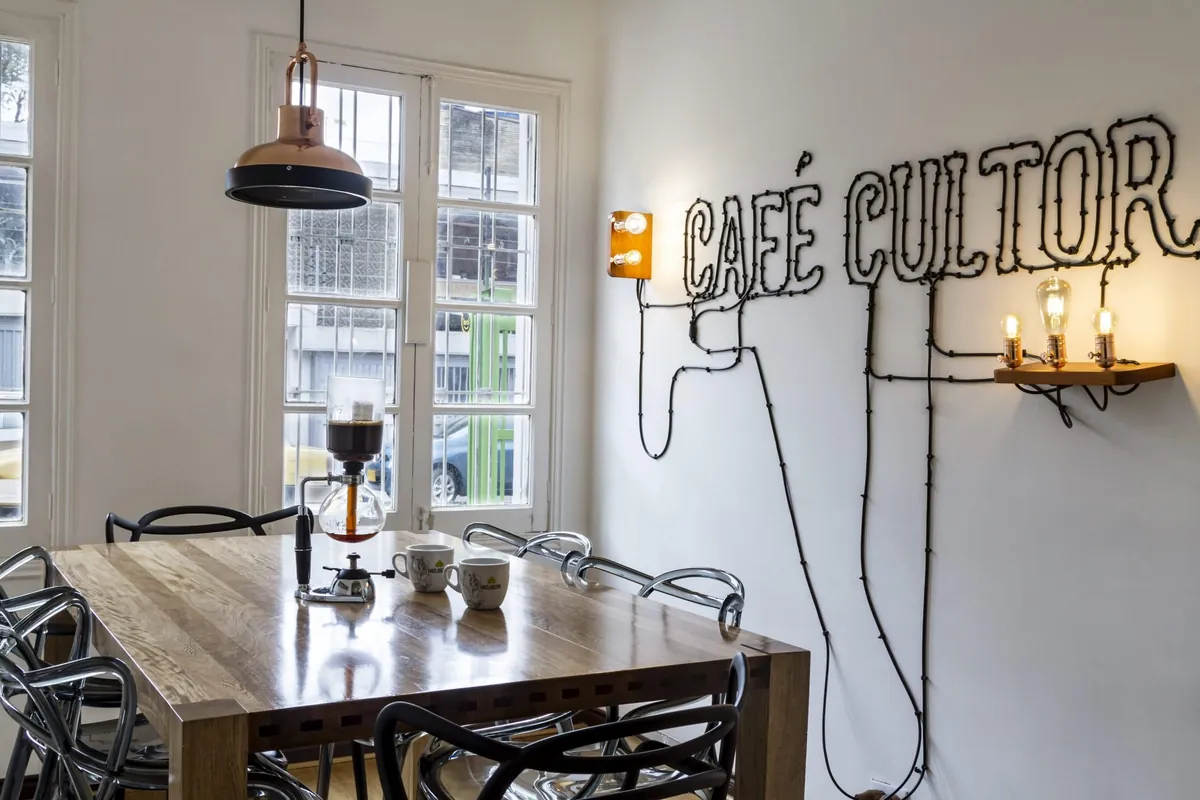
At Café Cultor, customers can ask the baristas where each coffee comes from, the name of the grower who owns the harvest and how to brew it. Its house in Quinta Camacho has a fireplace and a vegetable garden, and a second bar sits inside the Wilborada 1047 bookshop. It works through micro-regional hubs in seven coffee regions, and its coffees are roasted by a roaster on its own team: Sol Naciente from the north of the Sierra Nevada de Santa Marta, Manaure from the Serranía del Perijá, where a programme planted a thousand coffee trees to replace an illicit crop, Inga Mystique from indigenous growers in Nariño, and Agustino Forest and a natural Tabi from Huila.
Café 18, El Chicó, Rosales and El Nogal
Café 18 serves and sells its own Colombian coffees in three cafés, in El Chicó, Rosales and El Nogal, with breakfasts and desserts. The coffees are chosen by origin and roasted in fresh batches to bring out the profile of each region: Blend 18 and a Master blend, regional coffees from Huila, Cauca and Nariño, single varieties such as Sidra and yellow, pink and red Bourbon, and auction lots such as a Castillo from finca Cajón Montaña from Santander’s best-cup competition. Café 18 also distributes Nuova Simonelli, Victoria Arduino, Expobar and Jura espresso machines in Colombia.
Valiente Café, La Macarena
Valiente Café is a café and barista school in La Macarena where everything on the menu is vegan. The coffee menu runs from espresso and flat white to filter coffee, café campesino and cold brew, with plant milk in the milk drinks, and the kitchen serves tamales made with chickpea and soy protein, sourdough tartines and cakes. Valiente sells bagged coffee listed by process and variety, and teaches courses in groups of up to six, from barista fundamentals and latte art with plant milk to an extraction workshop covering the French press, syphon, Chemex, V60, Origami and AeroPress.
What you need to know about Bogotá specialty coffee
Which Bogotá cafés roast their own coffee? Amor Perfecto, Tropicalia Coffee, Libertario Coffee Roasters, Varietale, Azahar Coffee, Catación Pública and Café Cultor roast the coffee they serve. Azahar roasts its coffee on its own roaster in Quindío.
Where does the coffee come from? Almost all of it is Colombian, much of it from single farms and named growers. Huila appears in nearly every range, with lots from Nariño, Cauca, Tolima, Caldas, Cundinamarca, Santander, Antioquia, Meta, Quindío and the Sierra Nevada de Santa Marta. Libertario also works with growers in Panama.
How did Tropicalia fare in The World’s 100 Best Coffee Shops? Tropicalia placed ninth in 2026 and first in Latin America.
How do the roasters pay their growers? Azahar pays a fixed price above the market and checks it against the Sustainable Coffee Buyer’s Guide, Varietale buys directly at prices above the ordinary market, and Tropicalia buys at prices meant to be economically sustainable under long-term partnerships.
Where can you learn about coffee? Catación Pública runs Q Grader certification, roasting, extraction and sensory workshops and guided cuppings, Amor Perfecto’s Academia del Café trains baristas, Valiente teaches barista, latte art and brewing courses, Tropicalia offers cuppings in its lab, and Libertario’s shops run tastings across filter methods. Azahar has run filter-brewing workshops at its El Nogal café.
Where can you eat vegan with your coffee? Valiente Café in La Macarena serves a fully vegan menu, from tamales to cashew cheesecake.
Photo credits
Photographs belong to the businesses and are reproduced from their official websites with attribution.