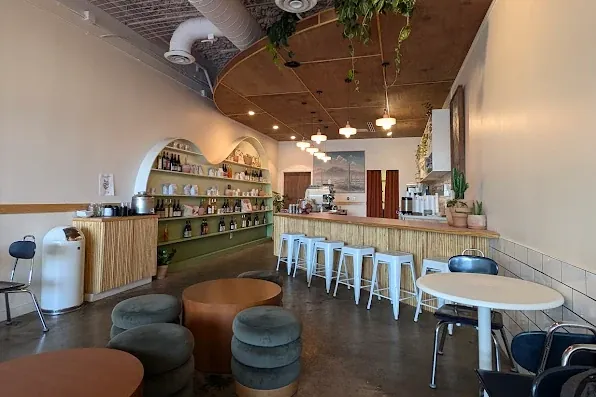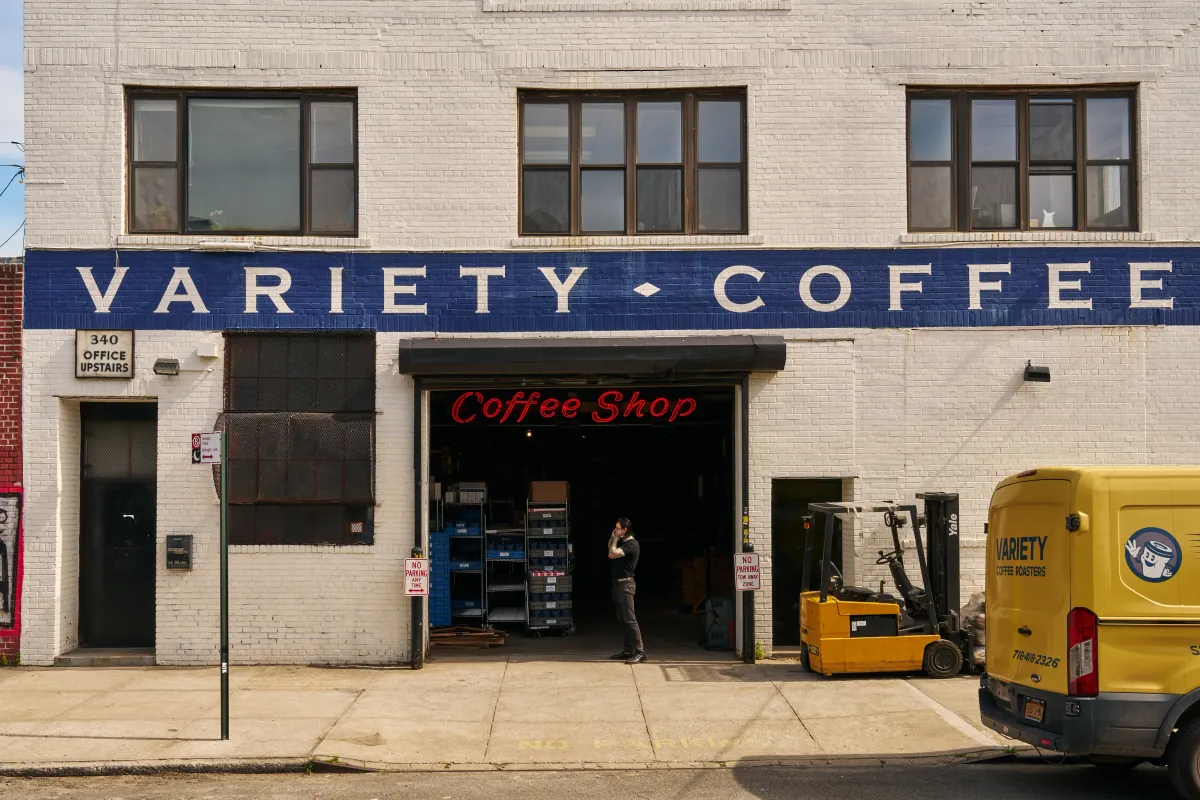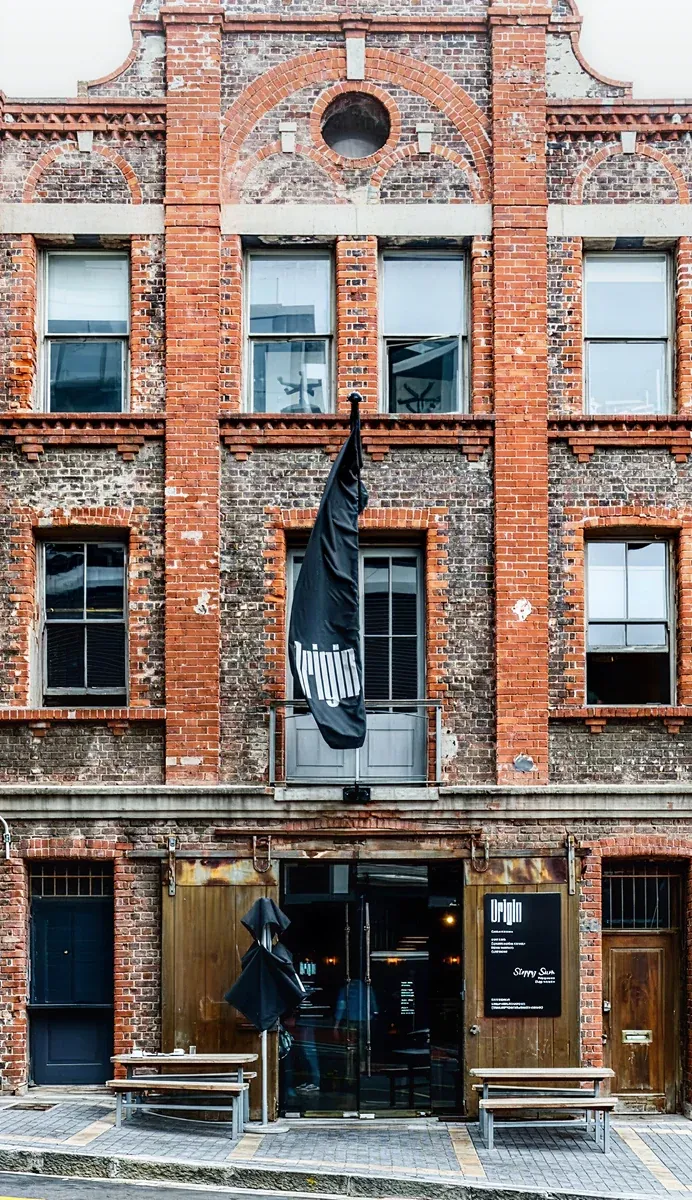
Origin opened in a working warehouse in De Waterkant in late 2005, Truth took over a three-storey Victorian building in the city centre, Espresso Lab roasts at The Old Biscuit Mill in Woodstock, and Cedar’s café is in a studio complex in Woodstock. Deluxe Coffeeworks began in 2009 with a second-hand roaster in a backyard, Rosetta followed in 2010 and roasts in Claremont, and Quaffee, established in 2006, roasts to order on a wine farm in Constantia. Seven of the eight places in this guide roast their own coffee; Pauline’s, the one café that does not, has cafés in Sea Point, Green Point and Gardens.
Truth Coffee Roasting, city centre
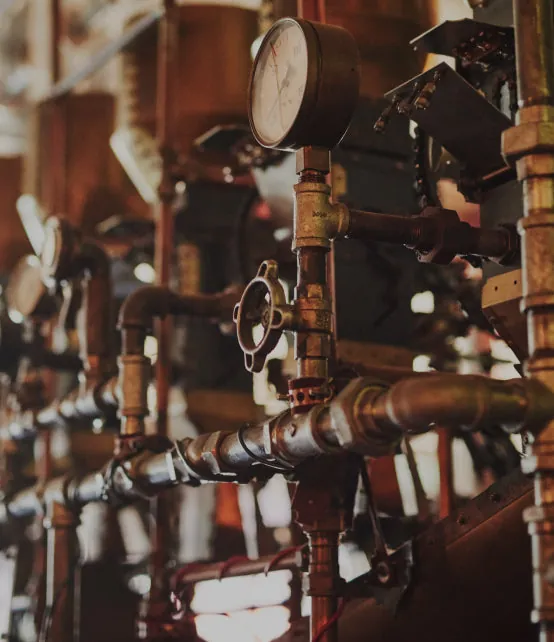
Truth Coffee Roasting was co-founded by Andrzej Janik and David Donde, and its café and roastery share an 1898 Victorian building in the city centre that Truth acquired in 2012 and stripped of its aluminium shopfronts, dropped ceilings and lino floors. The steampunk interior is the work of designer Haldane Martin, who won a Gold Loerie Award for it. Its slogan is “Coffee. Roasted. Properly.” Most of the range is blends, from dark and intense to smooth and balanced, with a few single origins and a decaf, and every roasted batch is cupped and evaluated. Truth also supplies offices, restaurants and coffee shops through its Bean, Machine, Team programme and trains new baristas at its Barista Academy.
Origin Coffee Roasting, De Waterkant
Origin Coffee Roasting opened in late 2005 with the aim of bringing coffee in South Africa up to the standard of the best in the world, and it still hand-roasts every coffee in the De Waterkant warehouse where it began. Many of its lots come from Africa, and the current releases include two Yemeni coffees, Al Mahjar Peaberry and Maghrib Ans XV. The flagship café pours brews across “the widest range of brewing methods”, with coffee, tea, food and bakery menus. Origin’s barista academy qualified 3,500 baristas and five South African champions before handing over to the African School of Coffee, where Origin’s courses now run.
Rosetta Roastery, city centre, Claremont, Gardens and the Silo District
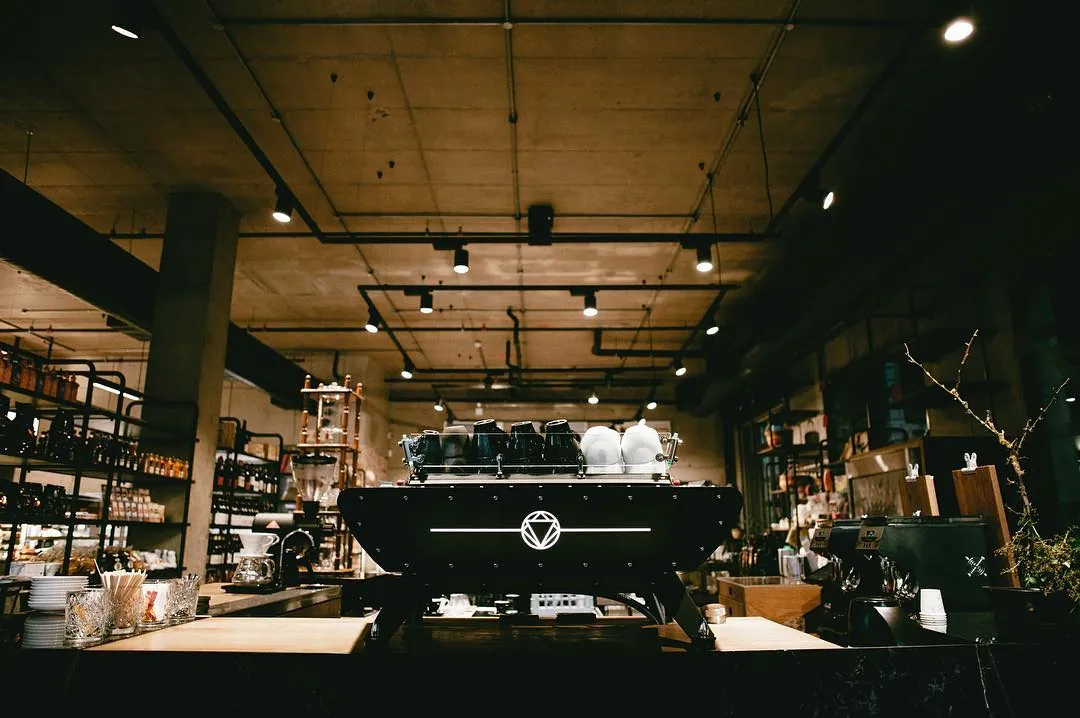
Rosetta Roastery was founded in 2010 by Jono Le Feuvre, Rob Cowles and Jeff van Aswegen, former bandmates who turned to coffee when it became clear the band was not going to make it; Ian “The Uncle” Scott later joined as co-owner. Rosetta roasts only single origins and makes no house blends, released in two styles: Progressive, lighter and built for filter, and Classic, fuller and roast-forward for espresso and milk, with even the darkest Classic staying a moderate medium roast. Coffee Magazine named it South African Coffee Roastery of the Year in 2018, 2019 and 2023. The city-centre café has a filter brew bar, two single-origin espressos and in-house baking; the Claremont café, next door to the roastery, adds a bigger food menu and a reserve freezer menu of limited lots brewed as pour-overs. BlackBrick Gardens is a coffee bar in a former hat factory, and the Silo District pop-up at the V&A Waterfront is a takeaway bar.
Deluxe Coffeeworks, Gardens and Paarden Eiland
Deluxe Coffeeworks was started in April 2009 by Carl Wessel, who left film production, and Judd Nicolay, who had worked in coffee in New Zealand. A second-hand roaster went into Carl’s backyard, and six months later the pair opened their first shop in the city centre with a 5 kg roaster in the room, serving espresso to “high court judges and lawyers to skaters and punks”. Today there are three rooms in Gardens and a café in Paarden Eiland, with another in Stellenbosch, two in Namibia and one in the UK. The coffee is roasted daily, and the retail range is short: a house blend, a Colombian decaf and two single estates.
Espresso Lab Microroasters, The Old Biscuit Mill and De Waterkant
Espresso Lab Microroasters has roasted since 2009 at The Old Biscuit Mill in Woodstock, where the roastery café is open to the public for espresso and filter drinks and a few coffee cocktails. A bakery and café in De Waterkant is the second room, and the kitchen is halal friendly. Espresso Lab belongs to the Espressolab global family, a group with more than 400 stores worldwide, and by its own account the Woodstock flagship was voted first in Africa and 11th worldwide in The World’s 100 Best Coffee Shops. The coffees are single farms and washing stations named for their producers, each bag listing variety, process, altitude and roast date, among them Geishas from Costa Rica and Peru and two Cup of Excellence lots from Hacienda Colima and Volcán Azul.
Cedar Coffee Roasters, Woodstock and the city centre
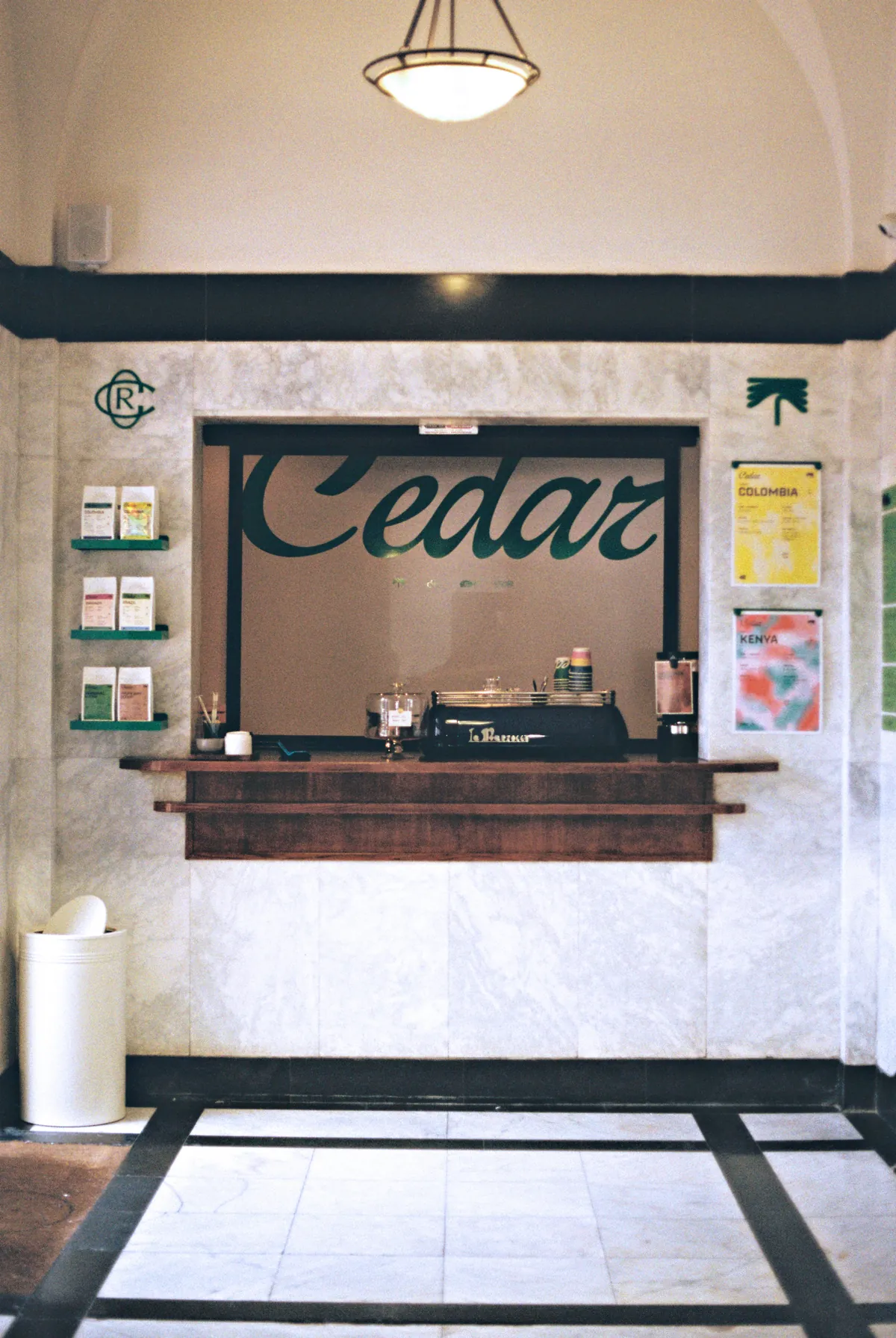
Cedar Coffee Roasters was founded by Leigh Wentzel and Winston Thomas, who came up through two of the city’s roasteries. Leigh went from part-time driver to roastery manager at Rosetta; Winston started at Origin in 2014, won the South African Barista Championship in 2017, 2018 and 2020 and the African Barista Championship in 2019, and is a licensed SCA trainer. Cedar’s aim is to bridge the gap between commodity and specialty coffee through sourcing and education. Its coffees carry lot codes and a cup profile: rotating single origins from Kenya, Ethiopia, Colombia and Costa Rica, two blends, a CO2 decaf, Special Releases such as a Gesha Village lot from Ethiopia, and Untitled Roasts that go out unlabelled so customers taste before they read. The Cedar Albert Store is the café at Side Street Studios in Woodstock, and the Cedar Hatch is a counter inside the Jack Lemkus store in the city centre. Cedar also runs SCA barista and brewing courses.
Quaffee, Buitenverwachting in Constantia
Quaffee was established in 2006 and turned 20 in 2026. Its roastery is at Buitenverwachting, a wine farm in Constantia, and everything is roasted fresh and to order. Visitors choose any two of the current roasts and the team brews them as pour-overs, standing room only, two people at a time. Quaffee also sells most of its coffees green for home roasters, along with brewing gear, rentals and repairs. In the Shot in the Dark roasting competition it came second in the 2020 final, and Coffee Magazine nominated it for Roastery of the Year in 2018, 2019, 2021 and 2023. The frog on the logo stands for the quest for a tasty cup; the name stands for quaff plus coffee.
Pauline’s, Sea Point, Green Point and Gardens
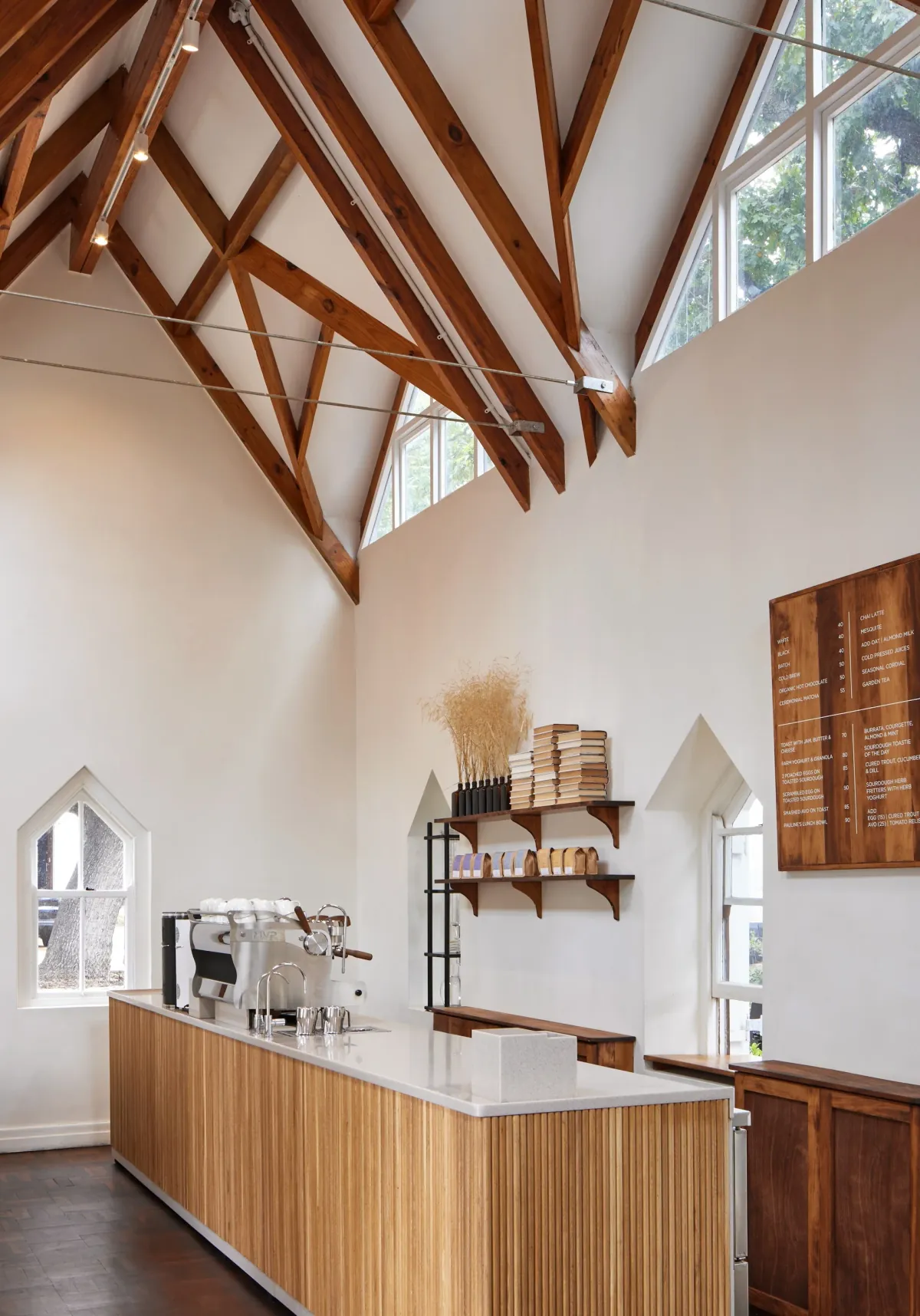
Pauline’s began in 2018 and grew out of Loading Bay, the space its founders ran from 2007, and SANS Community in Sea Point, a food brand built on nutrient-dense, regeneratively farmed ingredients. It is named after a grandmother figure, a presence that stands for comfort and home. The coffee is specialty grade, chosen from crops where slower production and careful processing come before yield, and the bar offers a classic coffee for milk drinks and a progressive bean option, batch brew, iced coffee and a cold brew slow-dripped for eight hours, with raw farm milk, oat or almond milk. The bakery grew from a sourdough starter fed at home fourteen years ago and uses regeneratively grown grain, farm butter and whole cardamom. There are three cafés, in Sea Point, Green Point and Gardens.
What you need to know about Cape Town specialty coffee
Which Cape Town coffee shops roast their own coffee? Truth roasts in its city-centre building, Origin in its De Waterkant warehouse, Rosetta in Claremont next to its café and Espresso Lab at The Old Biscuit Mill in Woodstock; Cedar roasts in Cape Town, Deluxe Coffeeworks roasts daily for its own cafés, and Quaffee roasts to order at Buitenverwachting in Constantia.
Where can you see the roasting or taste at the roastery? Espresso Lab’s roastery at The Old Biscuit Mill is open to the public, Quaffee runs informal pour-over tastings in its roastery, and Rosetta’s roastery is next door to its Claremont café.
Which are the oldest? Origin opened in late 2005 and Quaffee was established in 2006. Deluxe Coffeeworks and Espresso Lab both date from 2009, and Rosetta from 2010.
Where is the food? Origin’s café has food and bakery menus, Espresso Lab’s De Waterkant room is a bakery café, Rosetta’s Claremont café has a bigger food menu than its city-centre café, and Pauline’s serves its own sourdough bakery and an eatery menu.
Photo credits
Photographs belong to the businesses and are reproduced from their official websites with attribution.