Pablo’s has roasted since 1995, and Novo, Copper Door, Corvus and Huckleberry started between 2002 and 2011. MiddleState lists the FOB price beside every single origin, and Sweet Bloom breaks each coffee’s cost into green coffee, transport and production. The cafés run from Sunnyside, Berkeley and Five Points through LoDo and Capitol Hill to Park Hill, Lowry and the University of Denver. Sweet Bloom is next door in Lakewood.
Huckleberry Roasters, eight cafés from Sunnyside to Larimer Square
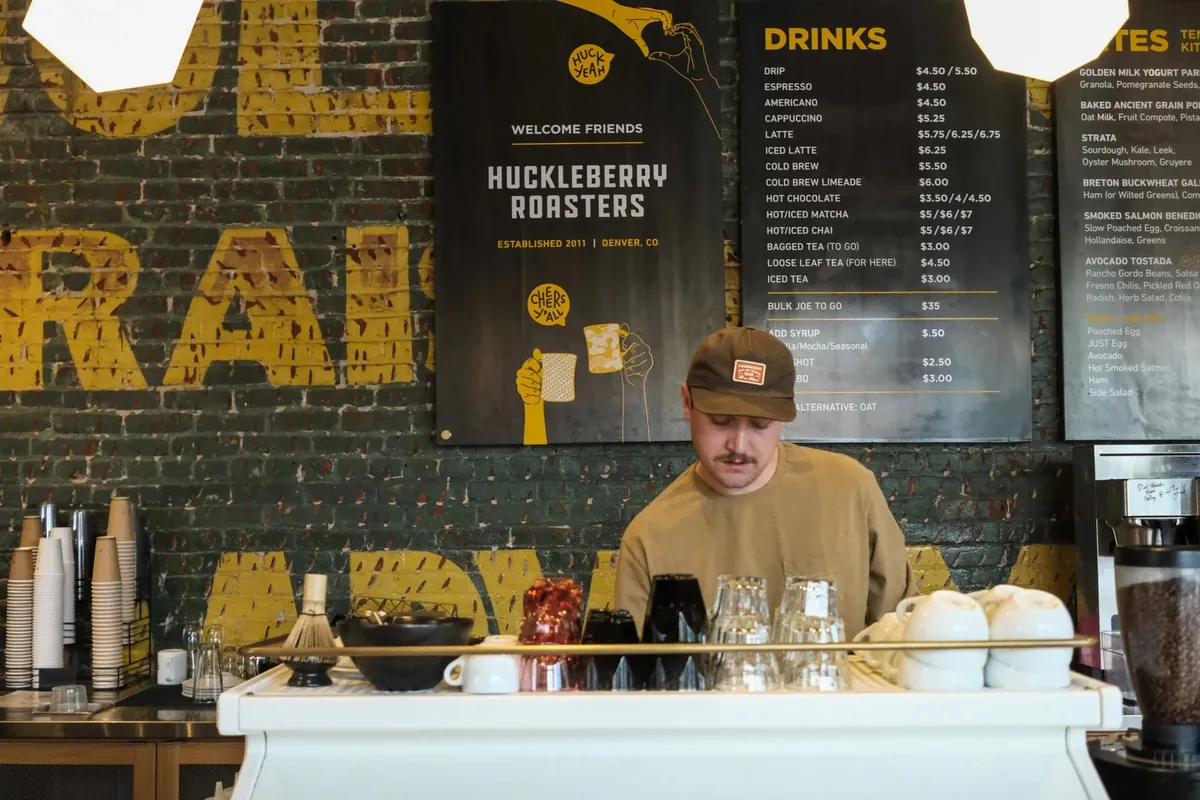
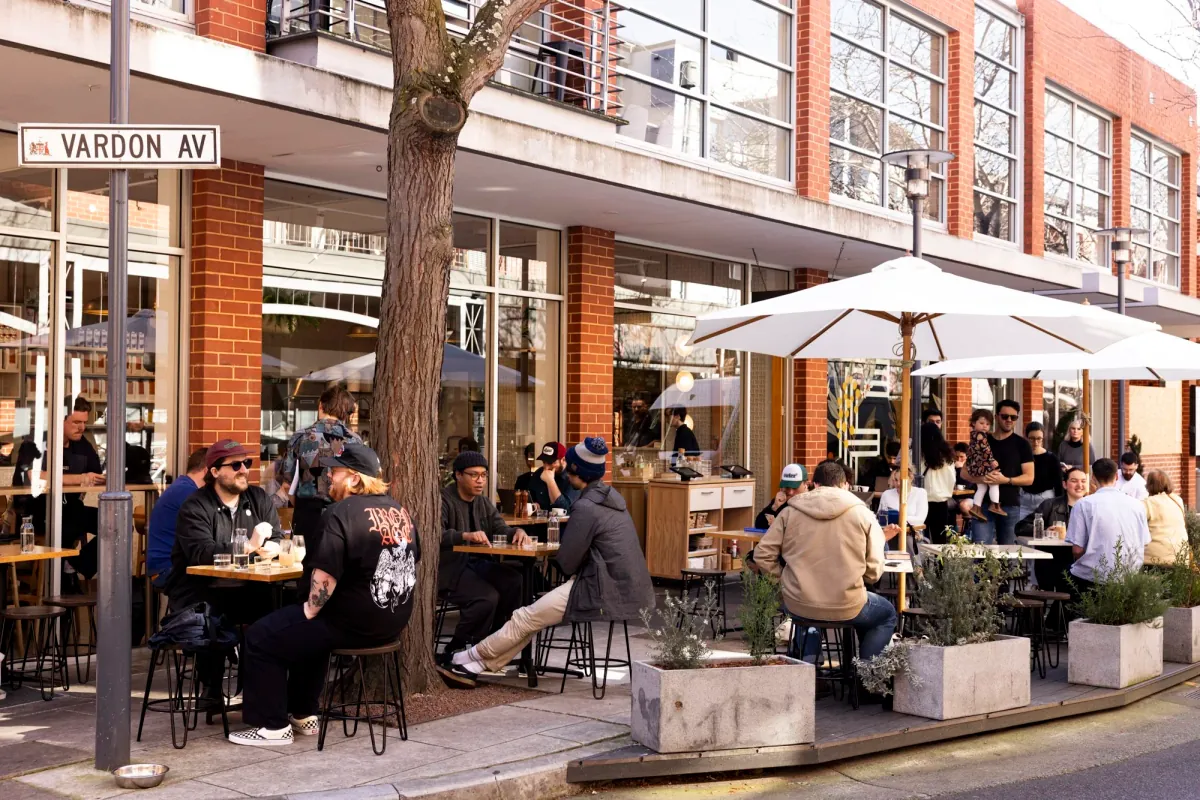
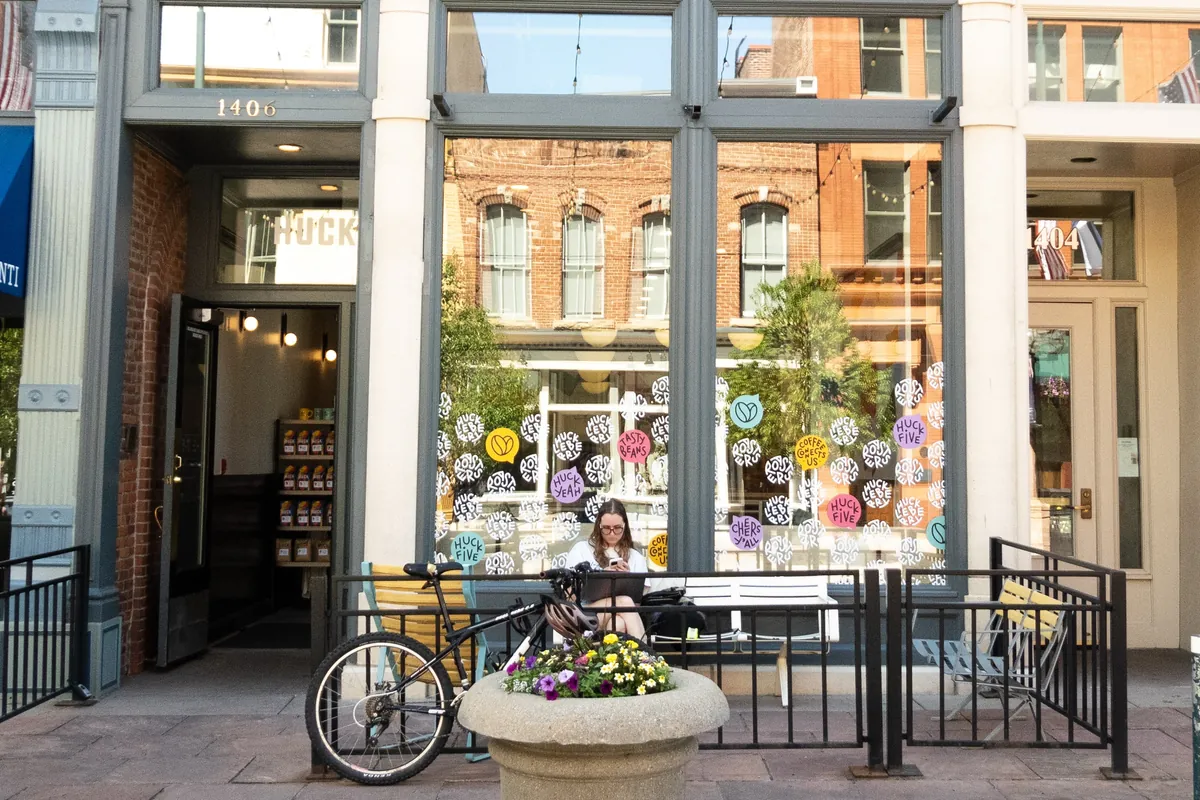
Huckleberry Roasters was founded in Denver in 2011 and roasts in the city. It buys from smallholder farms and cooperatives, many of its coffees come back year after year, and it pays well above the Fair Trade price. It has roasted coffee from the Aprocafé Atitlán growers’ association in Guatemala for a decade, in the house blends, the winter blend and single-farm microlots. The original café is in Sunnyside. The Dairy Block café is diagonally across from Union Station, and another is on Larimer Square. There are also cafés in Baker and Congress Park. The Tennyson café, in Berkeley, is in a building that was once Tennyson Hardware, shared with the menswear shop Berkeley Supply. Two more cafés are outside the city, in Wheat Ridge and Centennial.
Corvus Coffee Roasters, South Broadway, Uptown and RiNo
Corvus Coffee Roasters was founded in 2010 by Phil and Autumn Goodlaxson, who began with a small roaster bought on eBay and stalls at farmers’ markets. Corvus now buys directly from farmers in 12 countries and visits them every year, and it was a finalist for Roaster of the Year in 2026. Four of its six cafés are in Denver, in Platt Park, in Uptown, in RiNo and in the Denver Tech Center, with two more in Arvada and Littleton. The menu is short and laid out like a brewery’s taplist, with most of the board given to single-origin pour-overs listed by farm or producer.
Novo Coffee, Congress Park, Cheesman Park and downtown
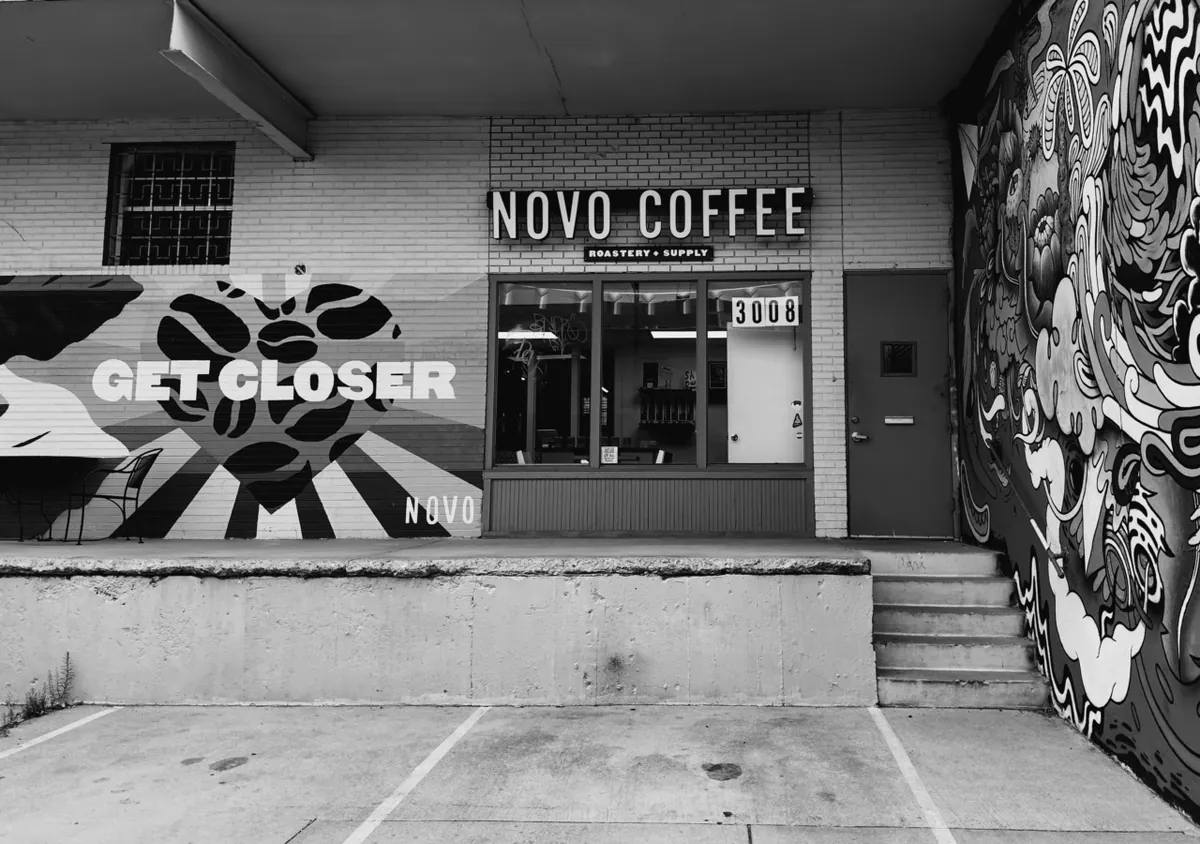
Novo Coffee was founded in 2002 by Jake, Joe and Herb Brodsky to connect coffee producers with the people who drink their coffee, under the motto “Get Closer”. It buys from the same farms year after year, sometimes through importers and sometimes directly from the producer, and roasts to order. The three cafés are in Congress Park, by Cheesman Park and downtown. Every Friday the roastery runs a tour that ends with a tasting of four coffees, and it hosts classes in brewing, espresso, milk steaming and latte art.
Pablo’s Coffee, East Colfax and Capitol Hill
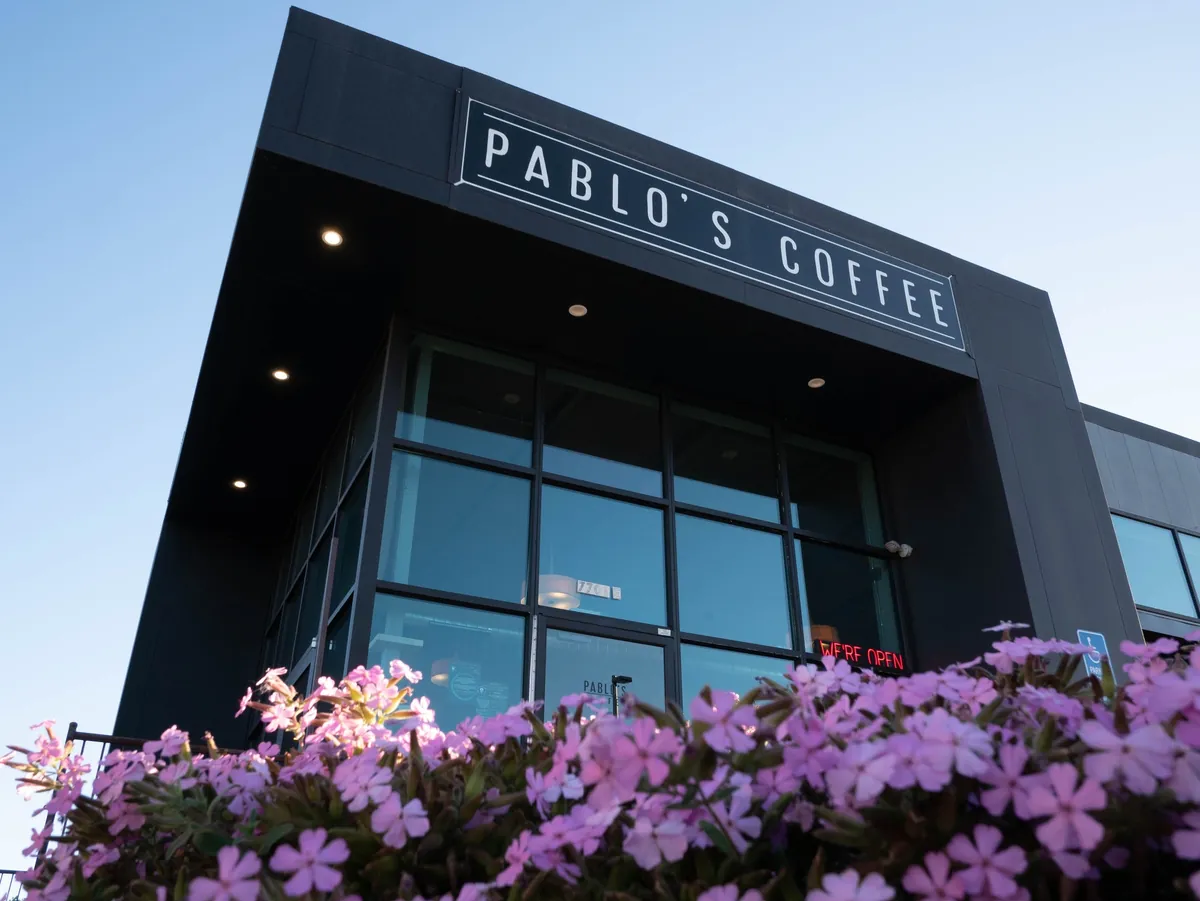
Pablo’s Coffee has roasted in Denver since 1995, when Craig Conner left a corporate job and sold his house to start it. Its headquarters in the East Colfax neighbourhood is a café at the front and a roastery at the back, where a San Franciscan 25 and a San Franciscan 75 roast the blends and single origins. Pablo’s pays 50 to 100 per cent more per pound for green coffee than the average Fair Trade rate, and more than 90 per cent of its marketing budget goes to donations for community events. The Capitol Hill café is in the former Penn Garage, which serviced cars for more than 70 years.
Queen City Collective Coffee, Five Points, Baker and LoDo
Queen City Collective Coffee was founded by three brothers, Scott, Luke and Eric Byington, and roasts in Denver, the Queen City of the Plains. The brothers visit their producers every harvest and share profits with them. They have bought from Don Senel Campos and his son Allan in Costa Rica for more than five years. There are five cafés in the city, in Five Points, in Baker inside the Town Hall Collaborative, two in LoDo and one in Berkeley, with two more in Wheat Ridge and Aurora.
MiddleState Coffee, Baker and Potter Highlands
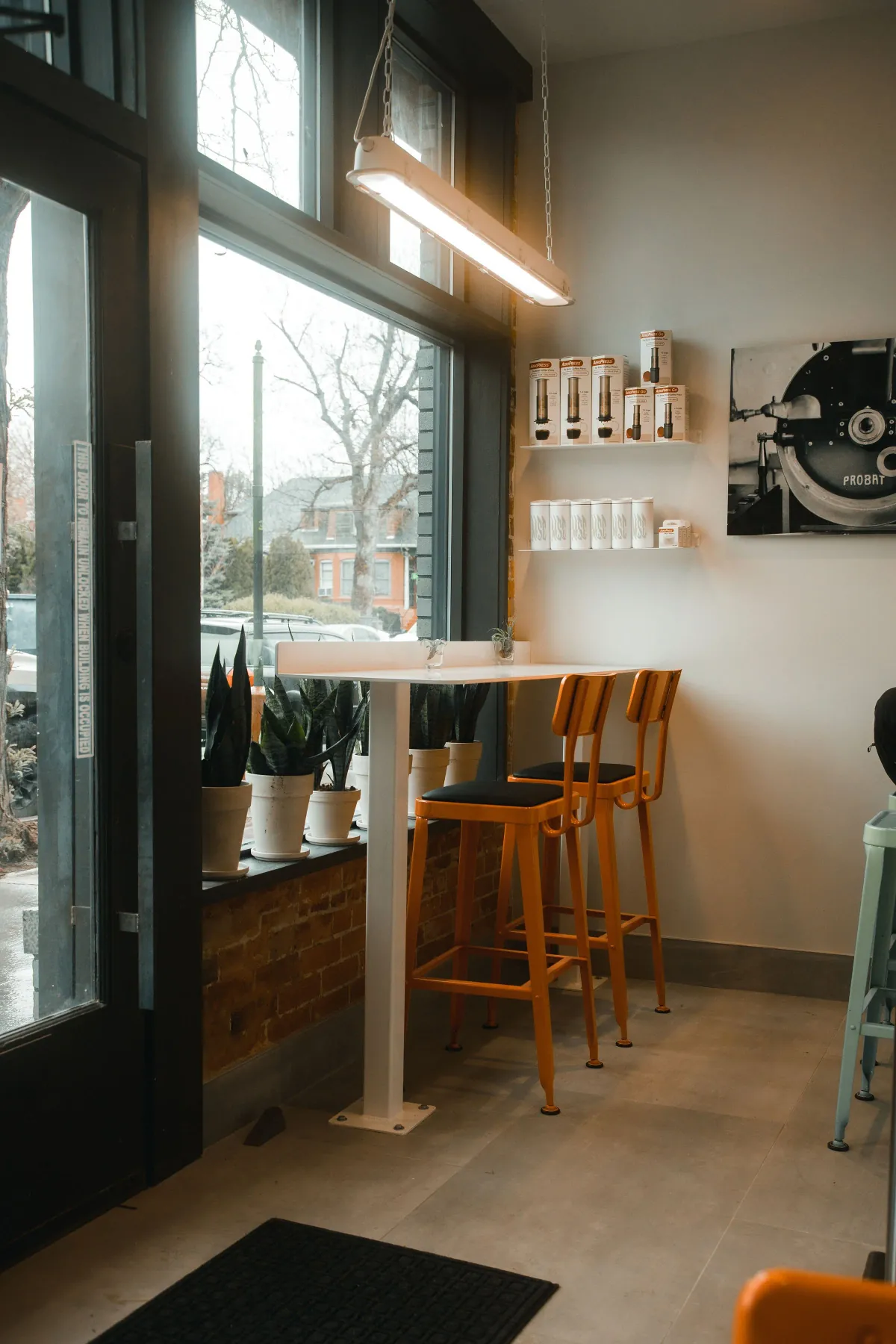
MiddleState Coffee buys small lots from small farms and likes them complex, clean and bright. Its single origins are sold with the FOB price and MiddleState’s own cost per kilogram beside the producer, variety and elevation. Landspeed, its blend, keeps a washed Ethiopian coffee as its constant and changes its second coffee with the seasons. The flagship café shares a building with the roastery in Baker and serves baked goods from Reunion Bread, house-made waffles and burritos from Bonfire Burritos. A smaller café, LiddleState, is in Potter Highlands, and both pour natural wine.
Little Owl Coffee, LoHi and downtown
Little Owl Coffee roasts its own single origins and blends and gives service standards as much attention as coffee standards, because “service is a component of taste”. Its coffees come from Guatemala, Honduras, Ethiopia, Costa Rica and Mexico, with a seasonal blend, Penrose, for winter. There are four cafés: LoHi, Blake Street in LoDo, and Tremont and Populus downtown.
Copper Door Coffee Roasters, Park Hill, Lowry and the Botanic Gardens
Copper Door Coffee Roasters was founded in 2006 as a wholesale roaster working out of a garage. Hannah Ulbrich, a former barista and literature professor, took it over in 2014, and it is “Denver’s only 100% female owned coffee roaster”. Most of the coffee comes from women producers, and it is roasted with locally sourced wind power. The Park Hill café is a few minutes from City Park, the Lowry café is across the street from the Wings Over the Rockies Air and Space Museum, and a third is in the northeast corner of the Denver Botanic Gardens. A fourth is in Littleton.
Kaladi Coffee Roasters, by the University of Denver
Kaladi Coffee Roasters roasts with hot air, on the fluid-bed air roasters pioneered by the engineer Michael Sivetz, in which the beans never touch a hot surface. It buys shade-grown, fully washed coffee from small farms and has roasted Hacienda La Minita’s Costa Rican coffee since the early 1990s. Several of its coffees come only from women-owned farms. The original store is beside the University of Denver, and the roastery café is in Englewood, just south of the city.
Sweet Bloom Coffee Roasters, Lakewood
Sweet Bloom Coffee Roasters is in Lakewood, the city on Denver’s western edge, where Andy Sprenger opened it in 2013. He won the US Brewers Cup twice and finished runner-up at the World Brewers Cup. Sweet Bloom buys small, recently harvested lots and sells each for the one to three months when it tastes freshest, and it lists its cost per pound for every coffee. At the 2026 Global Coffee Awards it won Best Roaster for the US and Canada. The roastery in Lakewood is also a café, and there are further cafés in Arvada and Westminster.
What you need to know about Denver specialty coffee
Which Denver coffee shops roast their own coffee? All ten. Pablo’s has roasted since 1995, Novo since 2002, Corvus since 2010 and Huckleberry since 2011. Copper Door was founded in 2006 as a wholesale roaster.
Which roasters show what they pay for coffee? MiddleState lists the FOB price and its own cost per kilogram for its single origins. Sweet Bloom lists its cost per pound for every coffee, split into green coffee, transport and production.
Can you visit a roastery? Novo runs a roastery tour and tasting every Friday. Pablo’s roasts in the back half of its East Colfax café, MiddleState’s flagship café shares a building with its roastery, Kaladi has a roastery café in Englewood and Sweet Bloom’s roastery in Lakewood is also a café.
Where can you take a coffee class? Novo teaches brewing, espresso, milk steaming and latte art at its roastery. Copper Door holds public classes in its roastery, Sweet Bloom teaches home brewing and latte art in Lakewood, and Corvus runs classes for the trade and the public.
Which cafés are near the sights? Huckleberry has cafés on Larimer Square and in the Dairy Block, diagonally across from Union Station. Queen City has a café next to McGregor Square. Copper Door has one at the Denver Botanic Gardens and another across from the Wings Over the Rockies Air and Space Museum.
Where can you drink wine as well as coffee? Both MiddleState cafés pour natural wine.
Photo credits
Photographs belong to the businesses and are reproduced from their official websites with attribution.