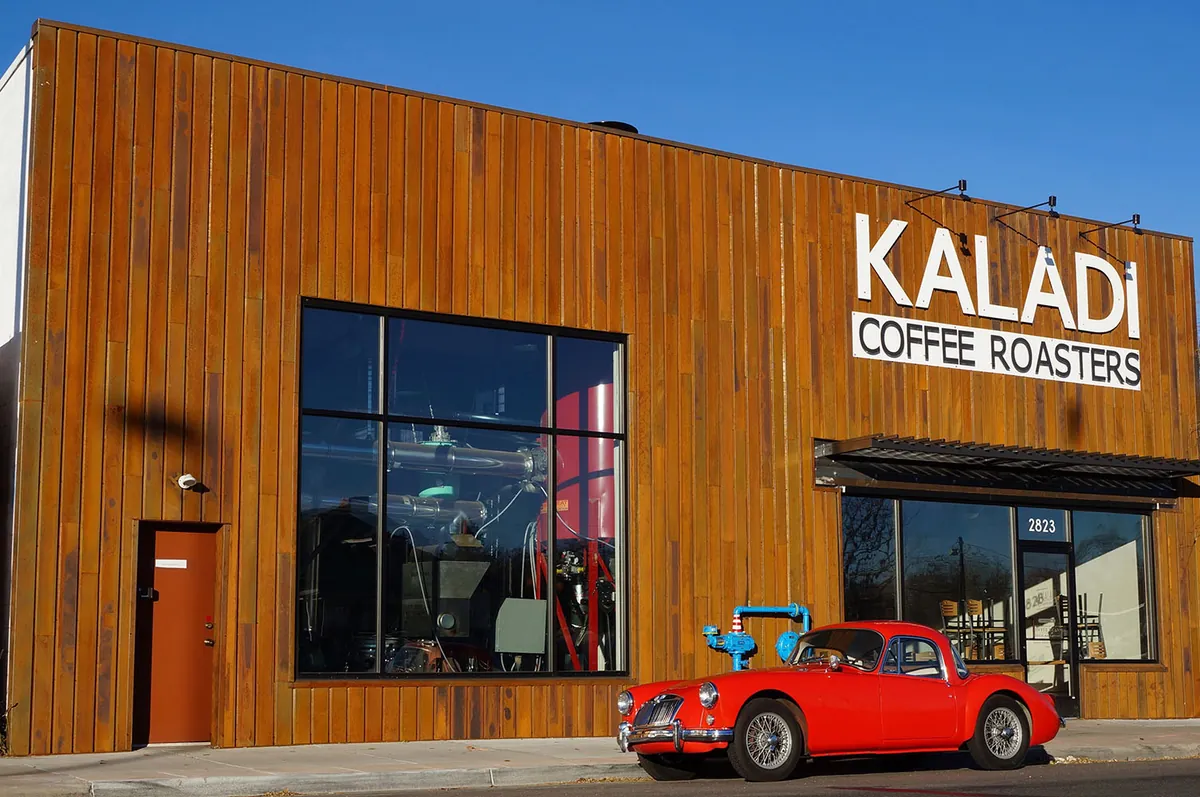
Kaladi roasts with hot air. Its founders, Mark and Andrew, wanted to “restore the promise of the specialty coffee revolution”, which they felt had slid into chains selling sweetened drinks. They built the company on the fluid-bed air roasting pioneered by the engineer Michael Sivetz. In a Sivetz roaster the beans tumble in a column of hot air and never touch a hot surface, and each roast is stopped at a set bean temperature, accurate to one degree. Kaladi then freezes its coffee shortly after roasting and stores it at minus 10 degrees Fahrenheit to keep the aroma.
Kaladi buys shade-grown coffee, picked by hand, fully washed and sorted three times, from small farms it has bought from for years: it has roasted Hacienda La Minita’s Costa Rican coffee since the early 1990s and a Peruvian cooperative’s for thirty years. Several of its coffees come only from women-owned farms. The company takes its name from the goatherd of the legend who found his goats dancing by a coffee bush.
Kaladi supplies independent cafés and has no wish to become a chain: “the world doesn’t need another coffee chain”. It has two shops of its own. The original store is beside the University of Denver, which gives the Pioneers blend its name. The roastery café is in Englewood, just south of the city. Both serve drinks with pastries from local bakers and sell the full range of coffees by the pound.
Coffee on the shelf
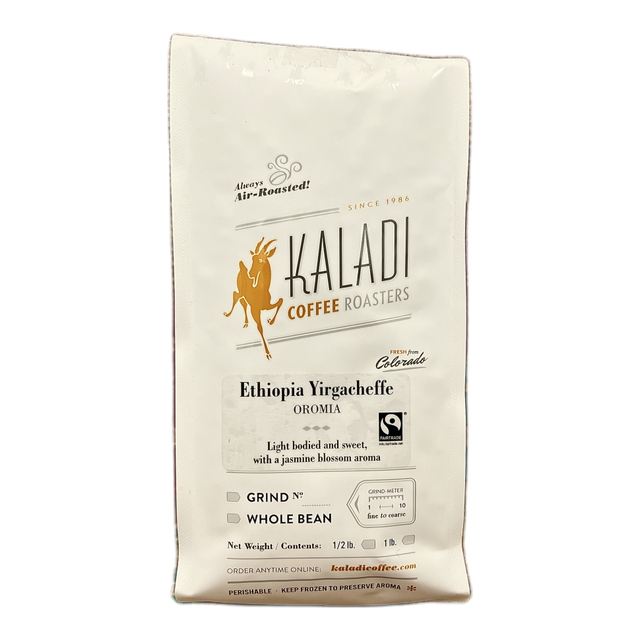
- Light body
- Sweet
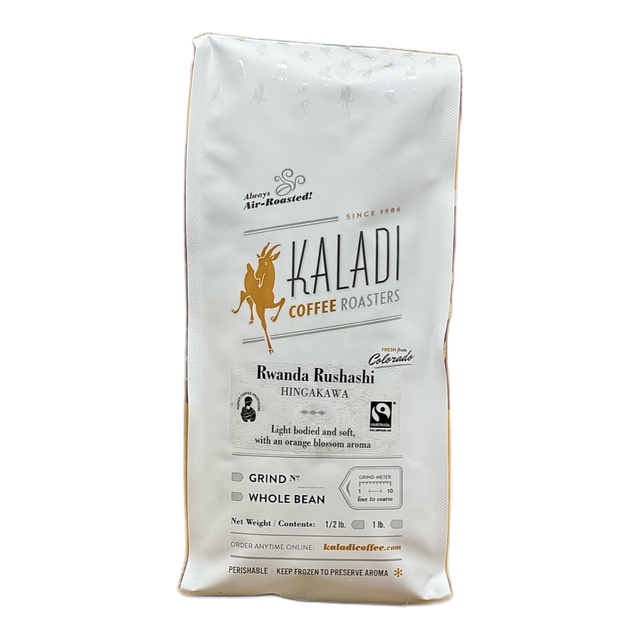
- Light body
- Soft
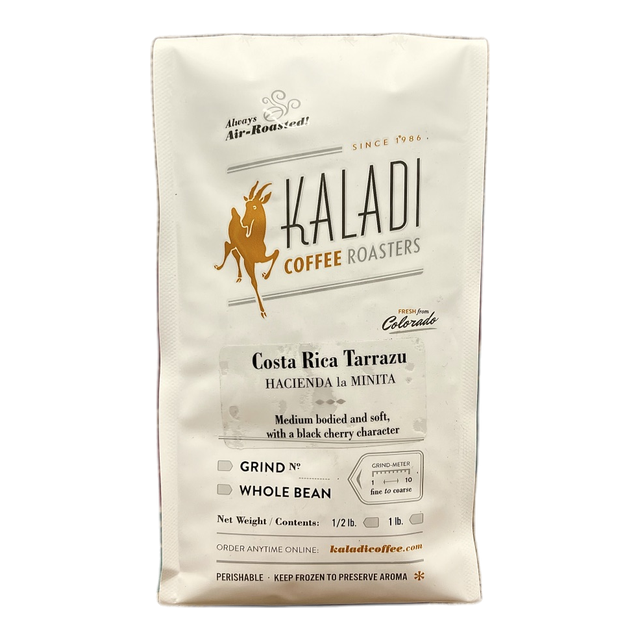
- Medium body
- Soft
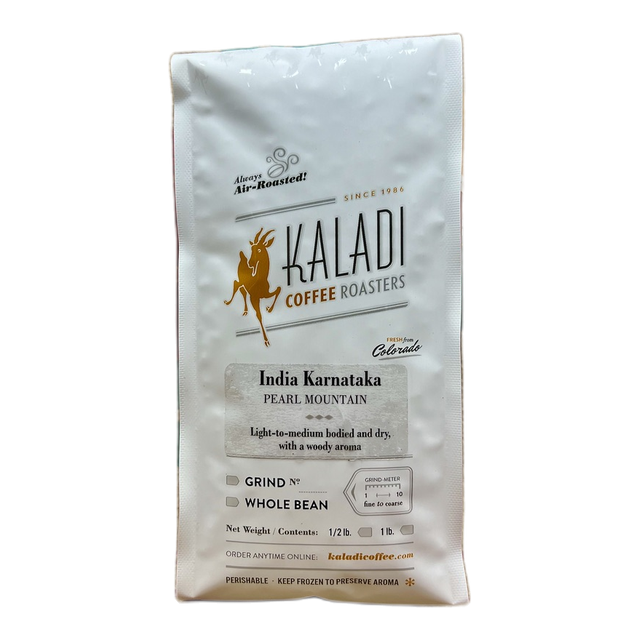
- Light to medium body
- Dry
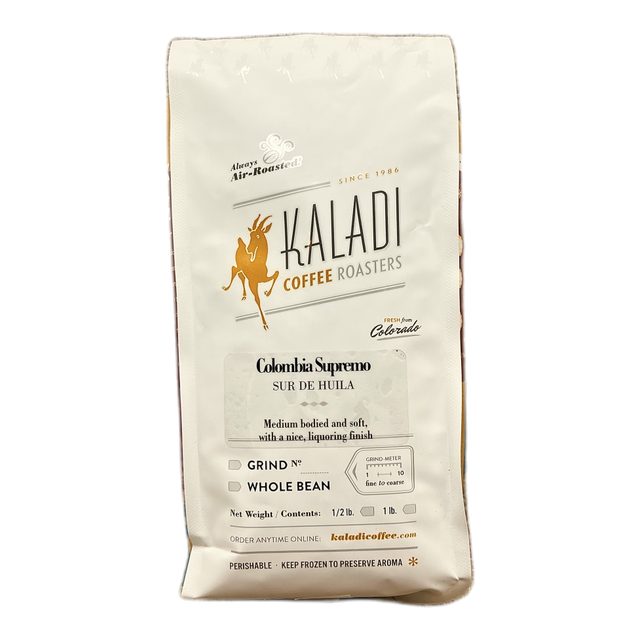
- Medium body
- Sweet
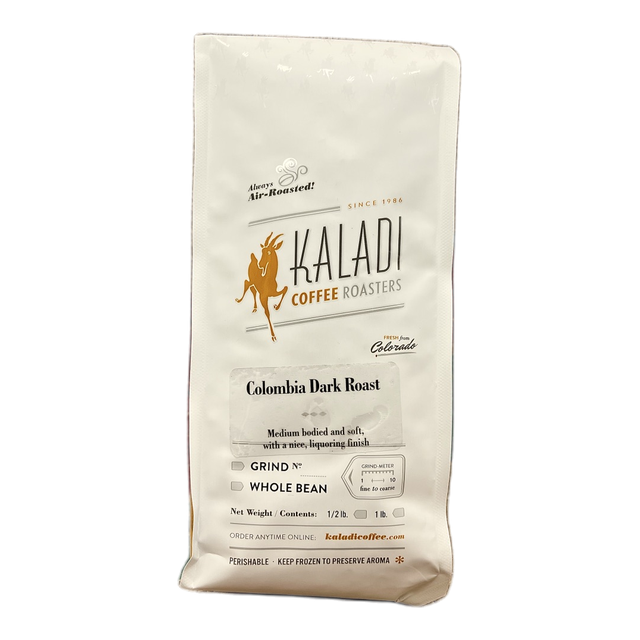
- Medium body
- Sweet
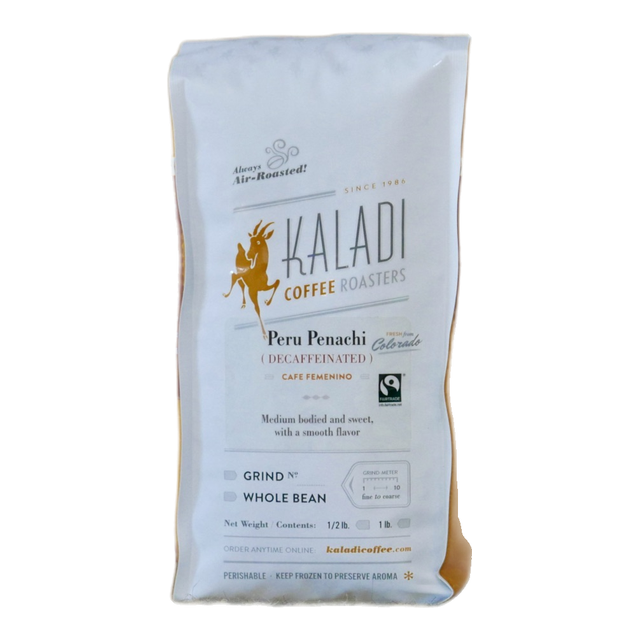
- Medium body
- Smooth flavor
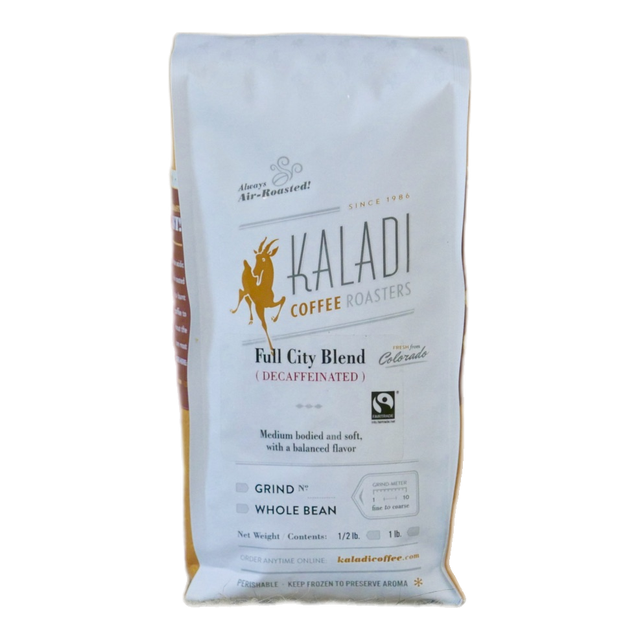
- Medium body
- Soft
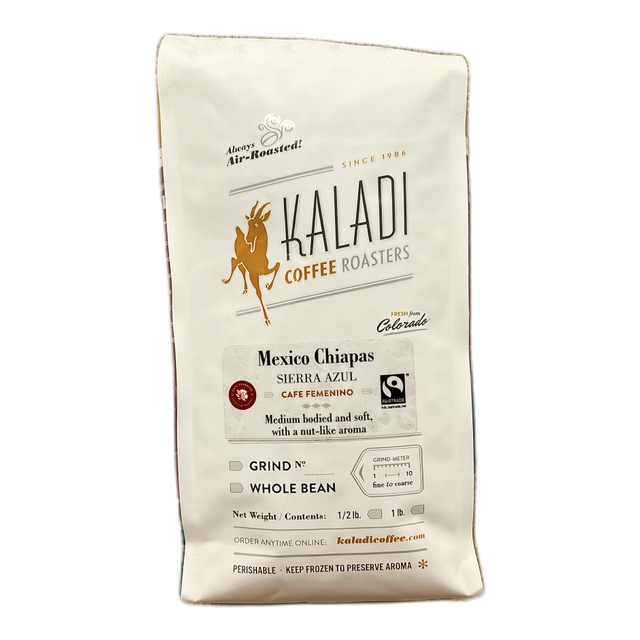
- Medium body
- Soft
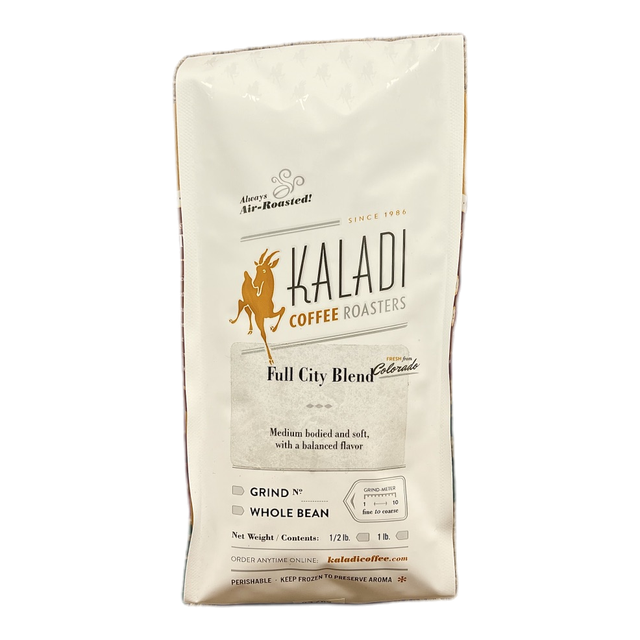
- Medium bodied
- Smooth
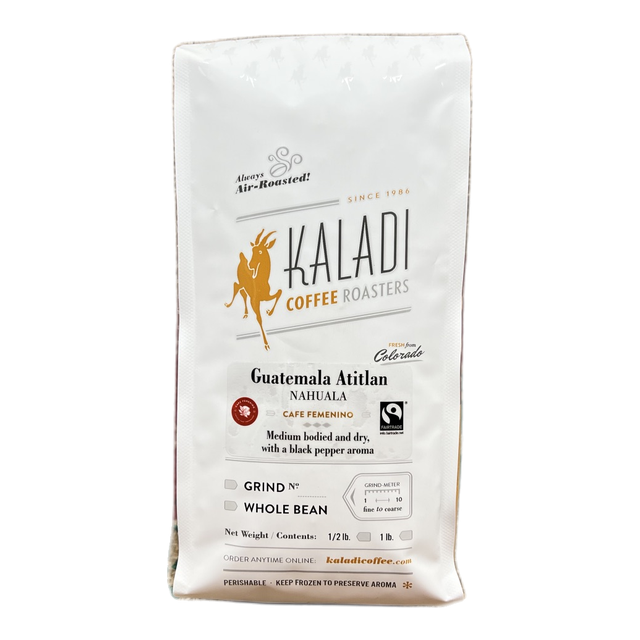
- Medium body
- Dry
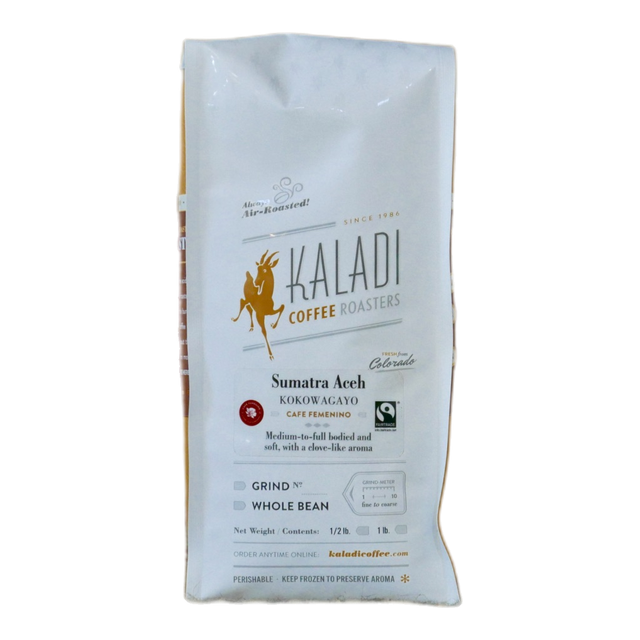
- Medium to full body
- Soft
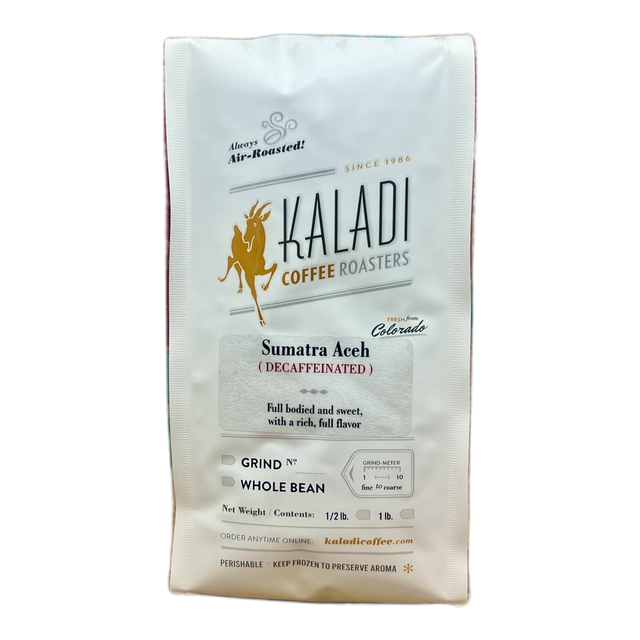
- Full body
- Rich, full flavor
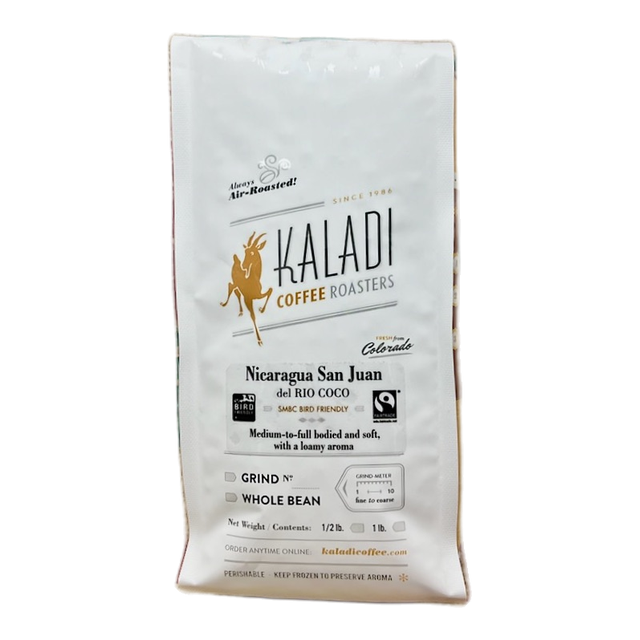
- Medium to full body
- Soft
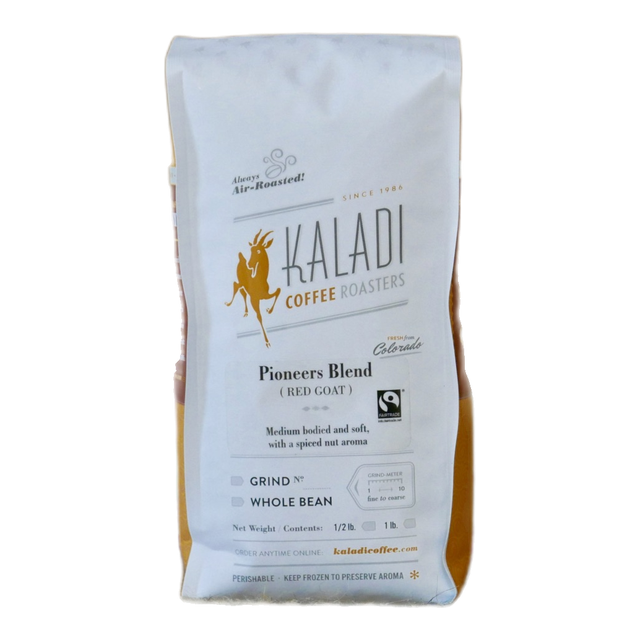
- Medium to full body
- Rich caramel
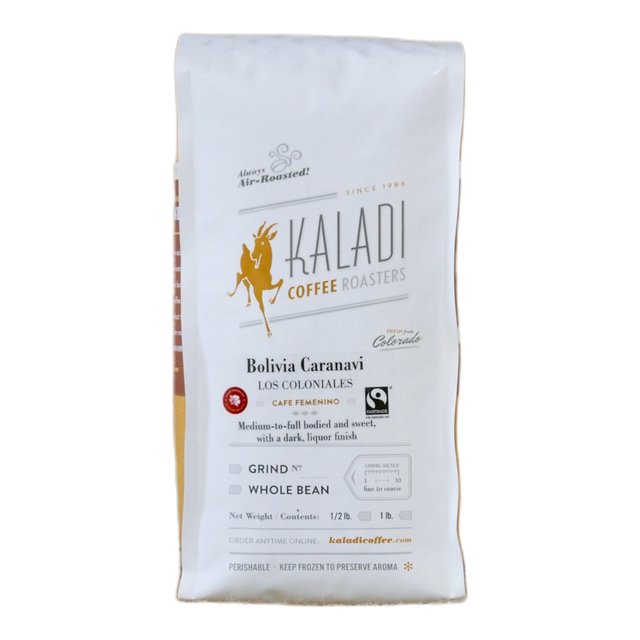
- Medium body
- Sweet
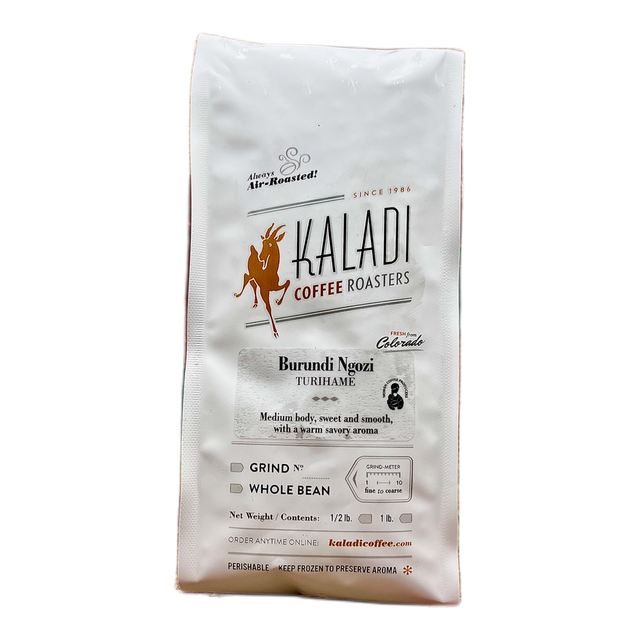
- Medium to full body
- Sweet and smooth
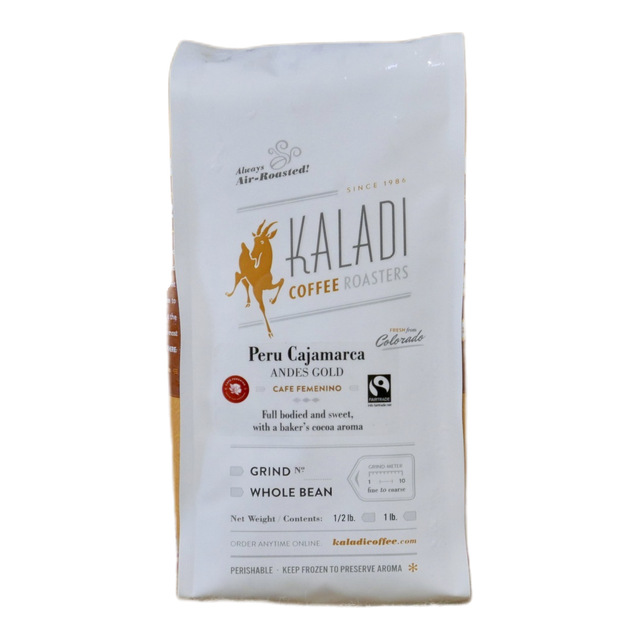
- Full body
- Sweet
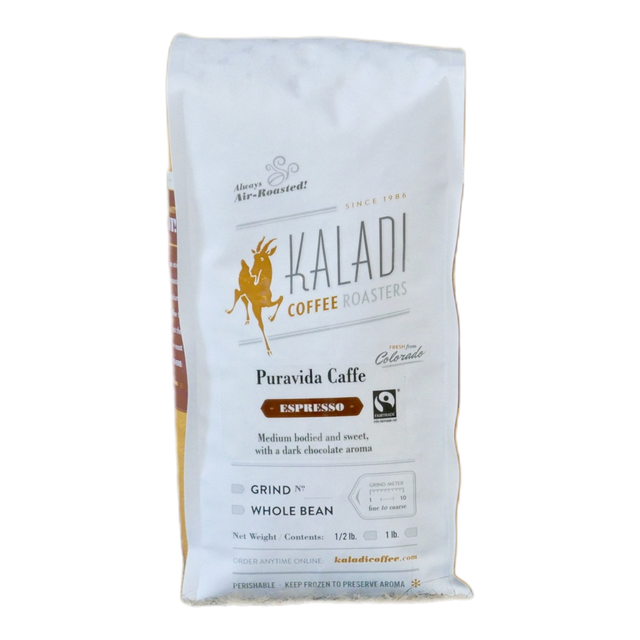
- Medium bodied
- Sweet
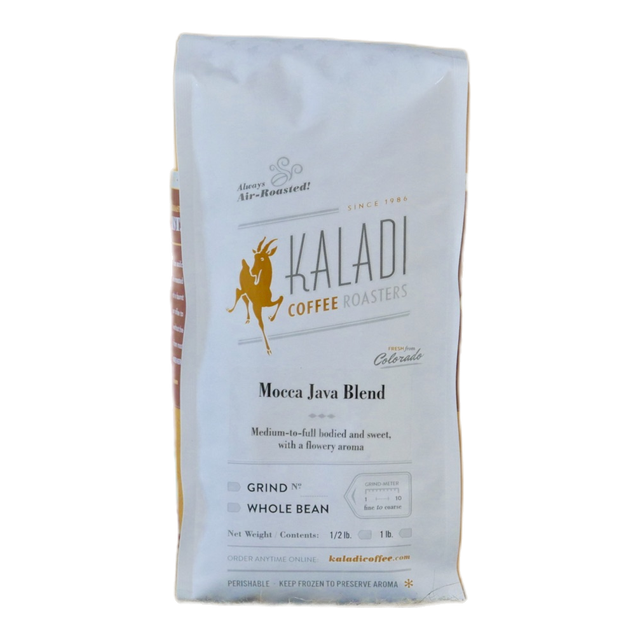
- Full body
- Sweet
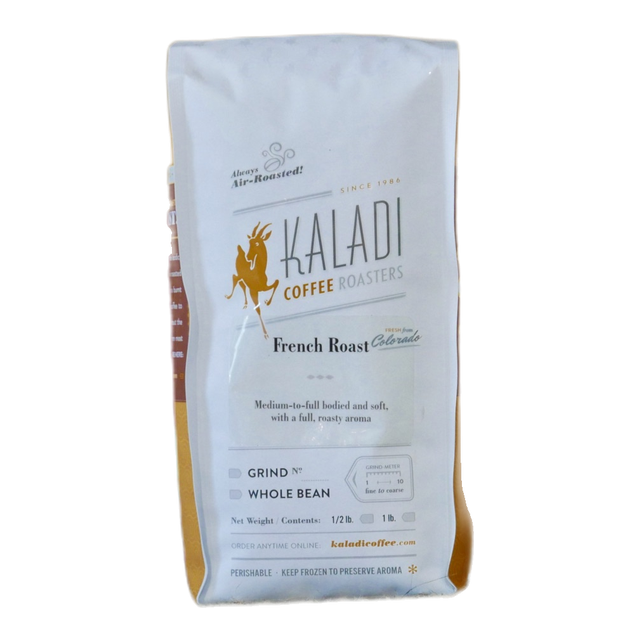
- Full bodied
- Chocolatey
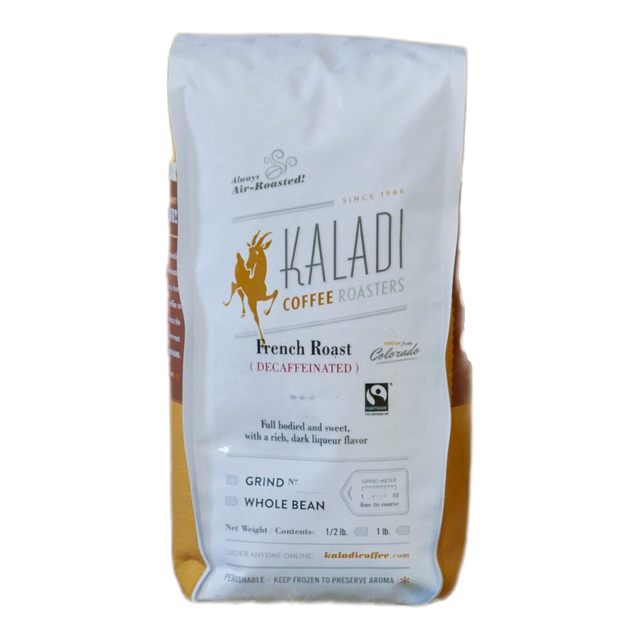
- Dark roasted
- Smoky character
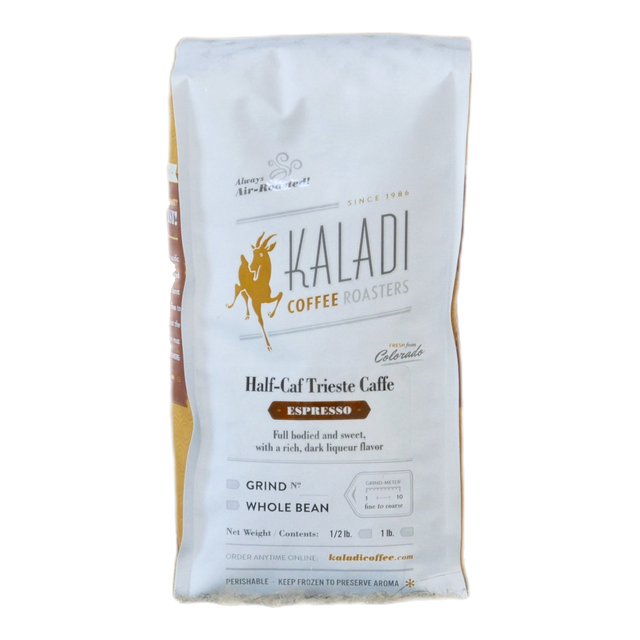
- Deep
- Rich
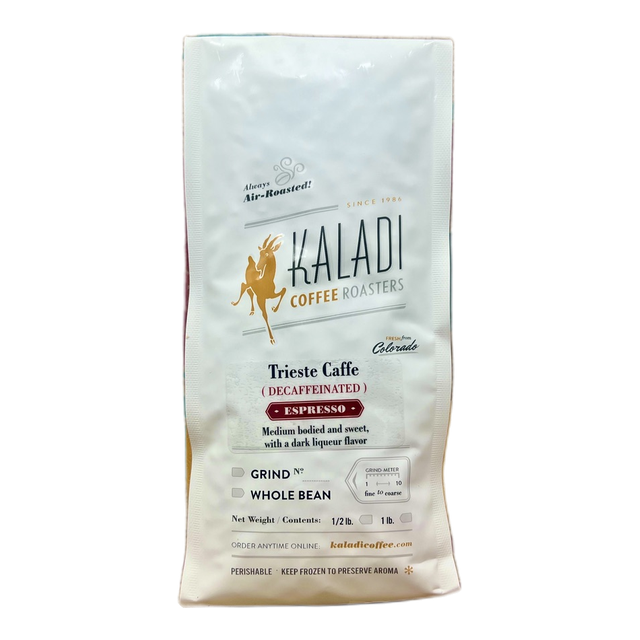
- Medium bodied
- Sweet liqueur flavor
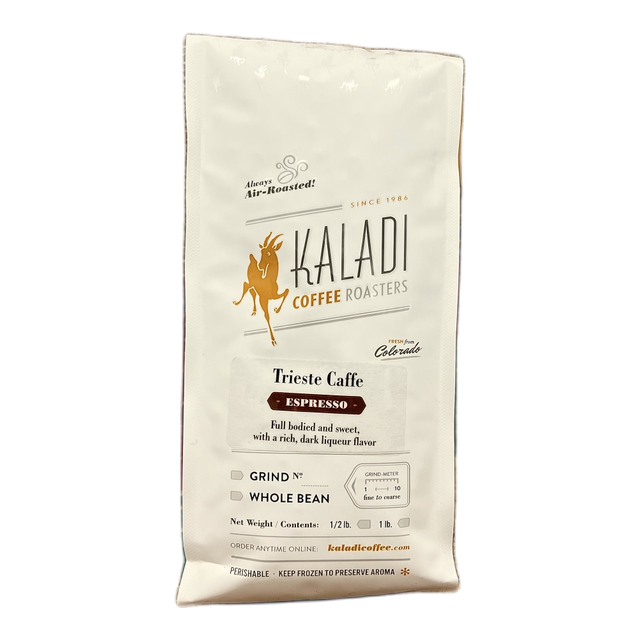
- Deep
- Rich
Photograph: Kaladi Coffee Roasters