Milan is the capital of the Italian espresso bar, and that is exactly why specialty coffee took so long to arrive. When Orsonero opened in 2016 it could call itself the city’s original specialty coffee shop; when Cafezal started roasting the following year it could claim the first specialty roastery. A decade on, both are still here, joined by a Noma-trained pastry chef’s café, a sisters’ roasting business that has been going since 2009 and a micro-roastery on the western edge of the city.
This guide covers those, plus the pastry counters that still define a Milanese morning, and the list is not ranked.
Cafezal, Brera, Porta Venezia and the Coffee Hub
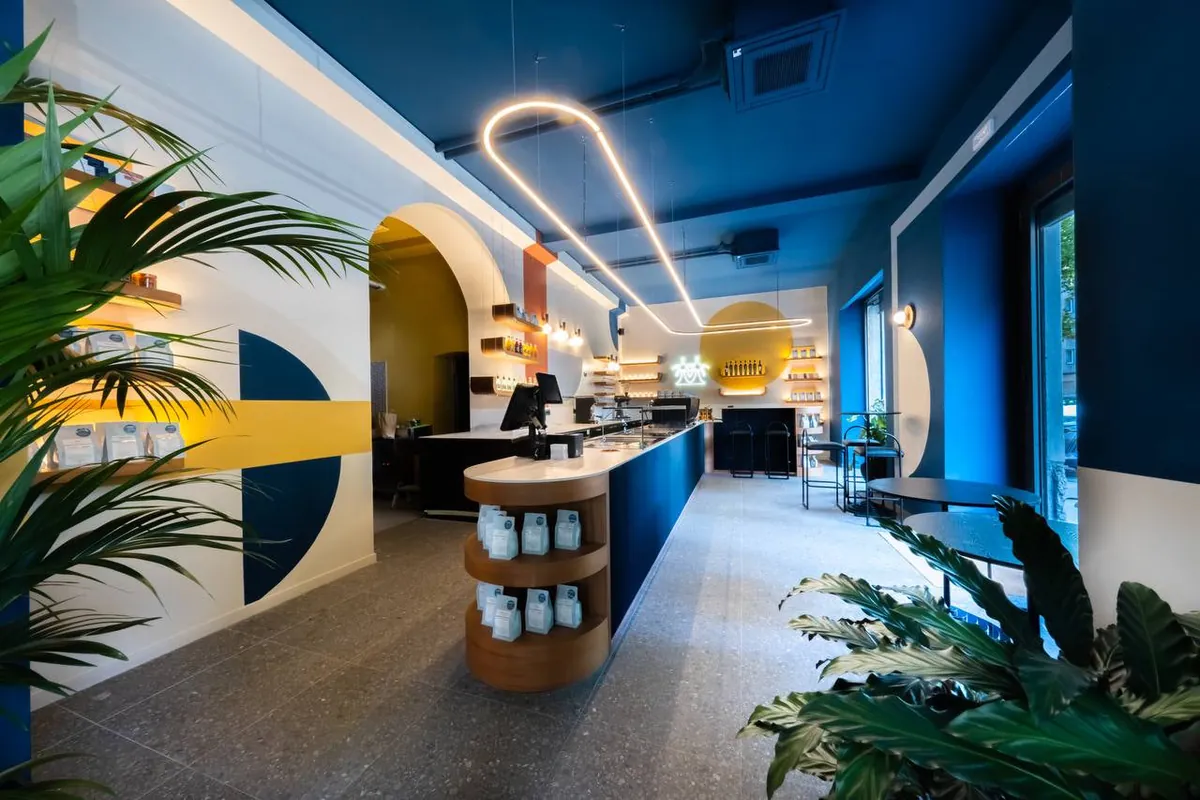
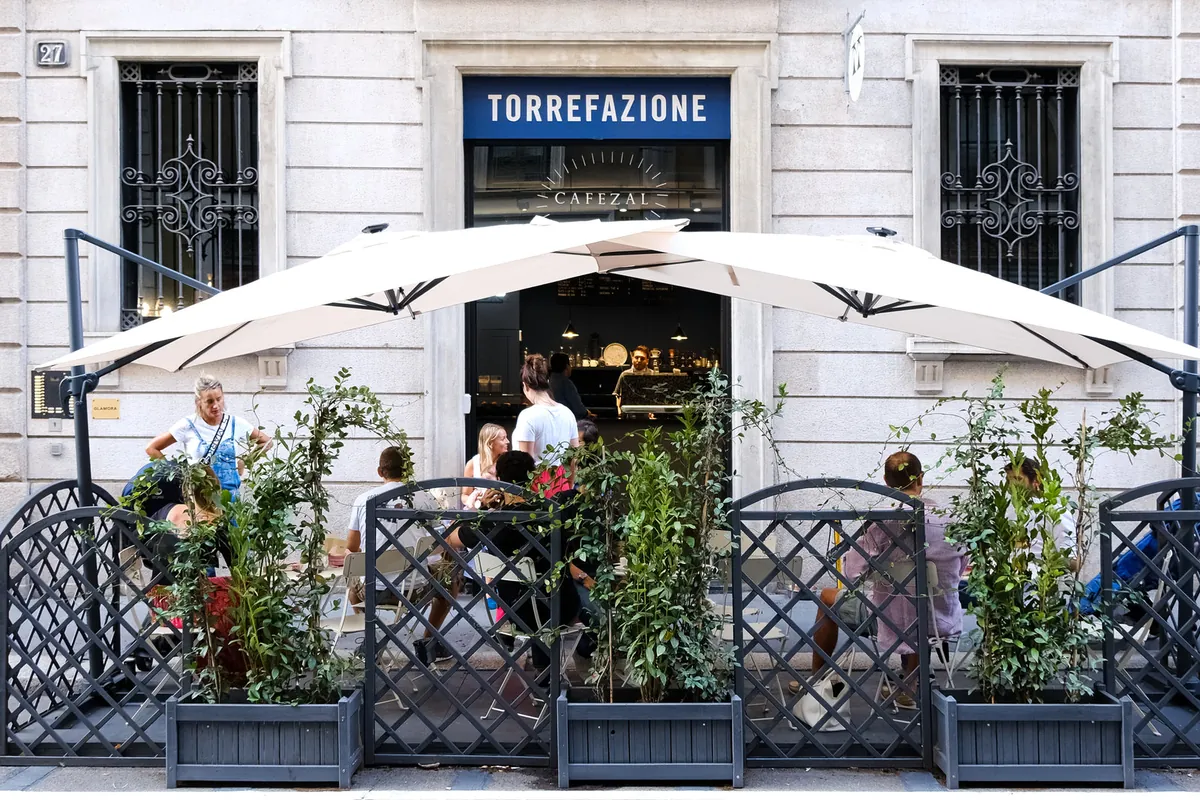
Carlos Bitencourt, a Brazilian-born engineer and former management consultant, first visited coffee plantations in his home country in 2013, began roasting in 2017 and opened the first Cafezal in Brera in 2018, a shop the company describes as Milan’s first specialty coffee roastery. The name means coffee plantation in Portuguese. The Coffee Hub, east of the centre, is the showpiece: 500 square metres of roastery, coffee bar, pastry, brunch, aperitivo, coworking and the Milano Coffee Academy, which runs fourteen home-barista courses and professional roasting classes. Other shops are in the Magenta district, in Porta Venezia with its own bread and pastry lab, in Bicocca and at Gae Aulenti, with Navigli and Lisbon due to open in October 2026.
Orsonero Coffee, Porta Venezia and Paolo Sarpi
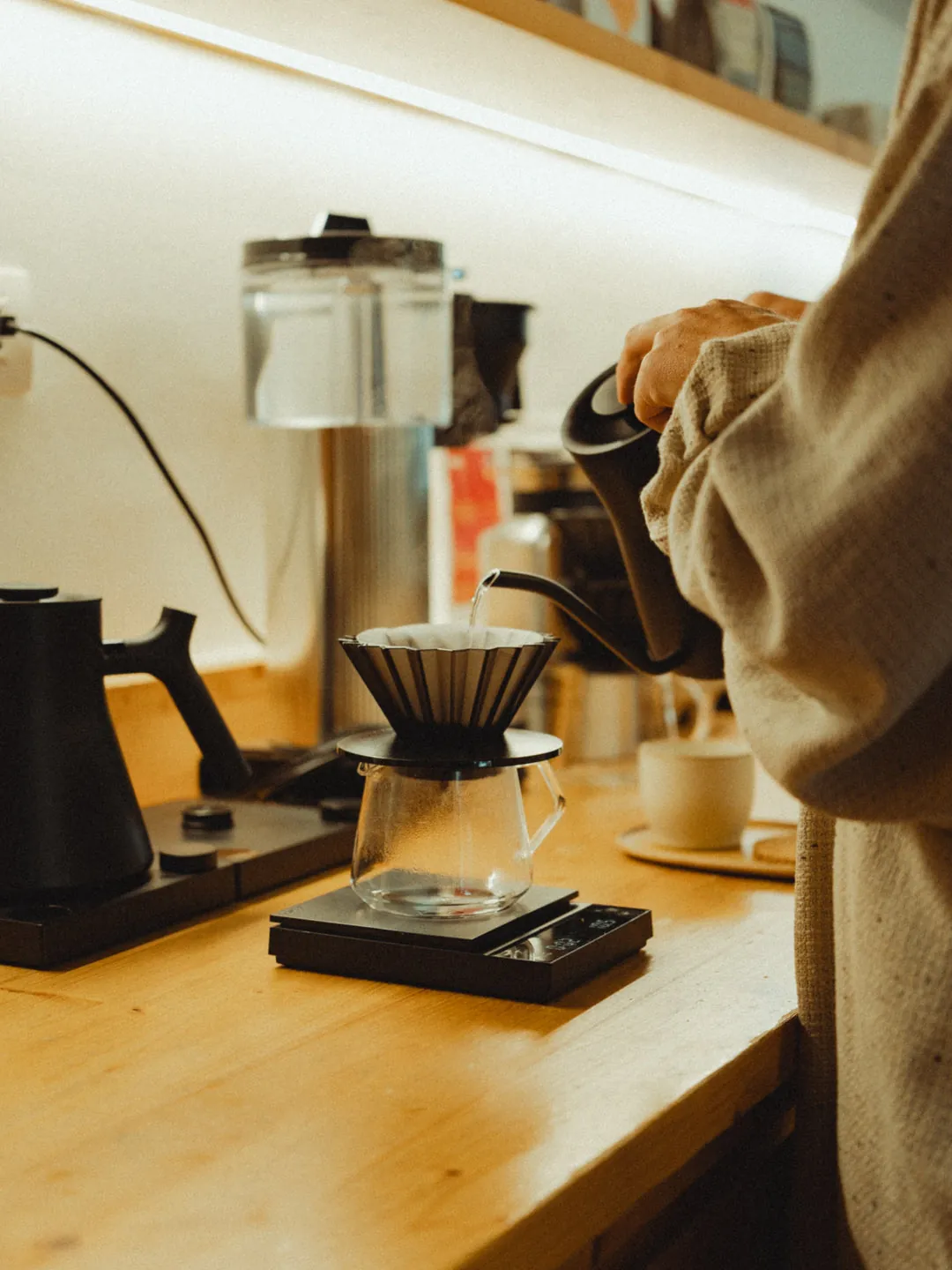
Milan’s original specialty coffee shop since 2016, Orsonero now operates as both a multi-roaster café and a dedicated micro-roastery. The original espresso and brew bar is in Porta Venezia; the newer shop is in the Paolo Sarpi neighbourhood. The online store was locked when we checked, but the cafés were not.
Loste Café, three cafés
Lorenzo Cioli, a sommelier, and Stefano Ferraro, a chef who was head pastry chef at Noma, met at the Copenhagen restaurant and put their first names together for Loste. The cafés serve sweet and savoury pastries baked fresh each morning alongside specialty coffee, breakfast and lunch, and the website calls the concept multicultural, fuelled by Italian passion and craft. There are two full cafés, one of them with weekend brunch, and a weekday takeaway counter near Centrale station. Masterclasses in pastry and coffee are announced on Instagram, and there is a sister café in Kyoto.
Sevengrams and Lot Zero
Four sisters, Mary, Angelita, Anna and Daniela Mauro, founded Sevengrams in late 2009 with a stated mission to offer an excellent, simply perfect espresso. Lot Zero, launched in 2018, is their specialty line: a micro-roastery in an old Milanese courtyard, where the coffees are selected and roasted by SCA trainer Chiara Bergonzi. Coffee Studio 7Gr next door is not a café but a curated shop for coffee and equipment; a second Coffee Studio in the centre serves more than twenty coffees, both blends and single origins, as espresso, filter and batch brew. Courses run from latte art to roasting.
Il Cafetero, the western edge of the city
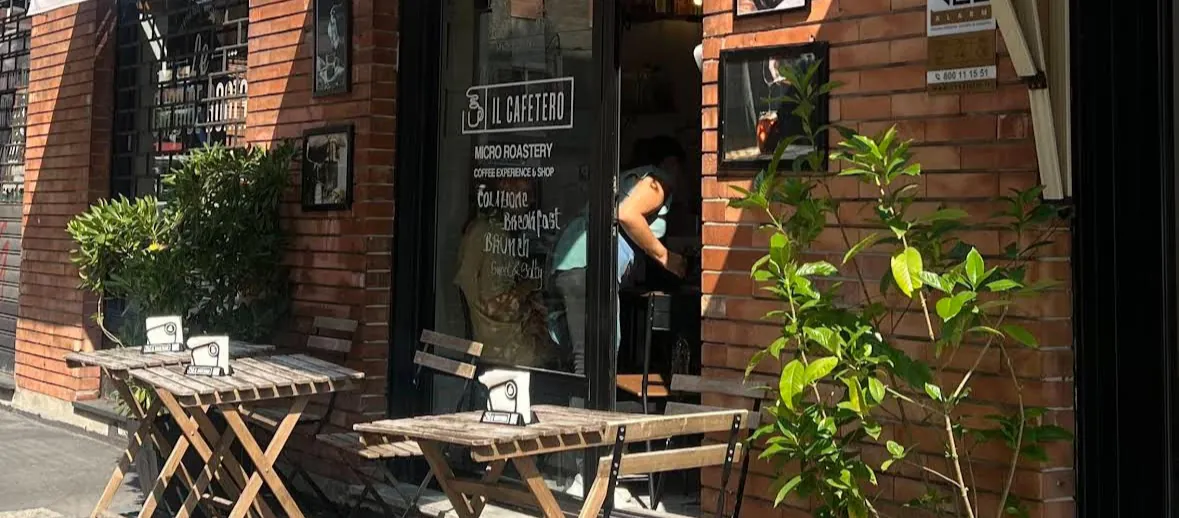
Federico Maggiulli opened Il Cafetero in September 2019 on the western edge of the city and began roasting in 2023. The line on the door is specialty coffee and micro roastery; the line on the website is from the earth to the cup. Workshops, tastings and sample boxes from moka to home espresso round out the offering.
The pastry counters
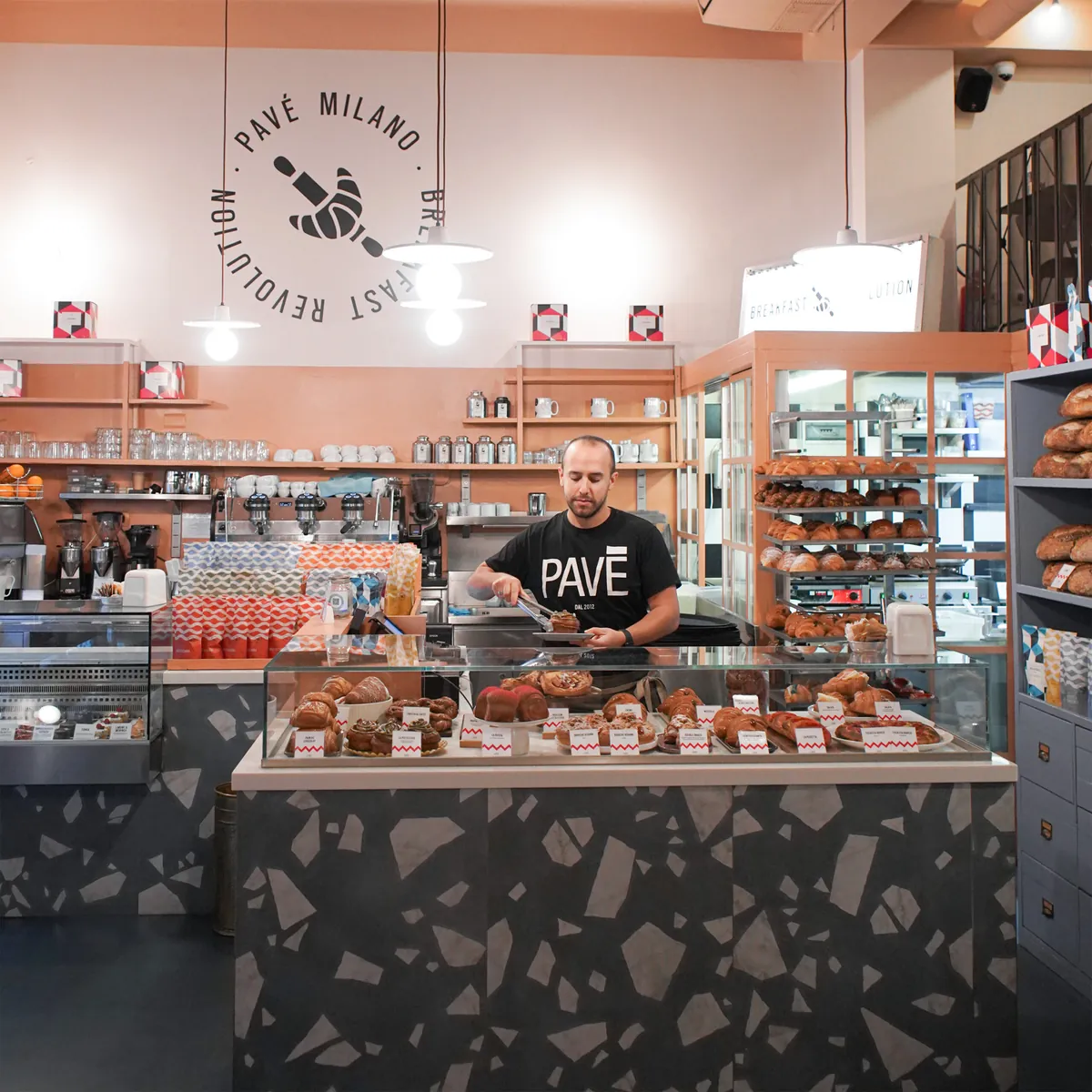
Pavé opened in 2012 in Porta Venezia, from the shared dream of three friends, as an artisan pasticceria that feels like a living room, and its leavened goods, from brioche to panettone, are the reason to go. Its two shops say nothing about their coffee online, so treat them as bakeries that serve it. Marchesi 1824 is a historic pasticceria with three shops, one of them in the Galleria Vittorio Emanuele II, and not a specialty roaster. Ditta Artigianale, the Florence roaster founded in 2013, has brought its own cafés to the Magenta district and Piazza Gae Aulenti.
What you need to know about Milan specialty coffee
What is the rule about coffee in Italy? There is no rule, but there are habits: cappuccino in the morning, espresso at the bar after lunch, standing up. The specialty cafés above will happily serve a flat white at four in the afternoon.
Is Milan known for coffee? For the espresso bar, yes. For specialty, it is a newer story that began in 2016 with Orsonero and Cafezal and now includes the roasters above.
Where can you work or relax? Cafezal’s Coffee Hub has coworking built in. Loste’s larger café and Orsonero’s original bar are better for a slower cup than a laptop.
Photo credits
Photographs belong to the businesses and are reproduced from their official websites with attribution.