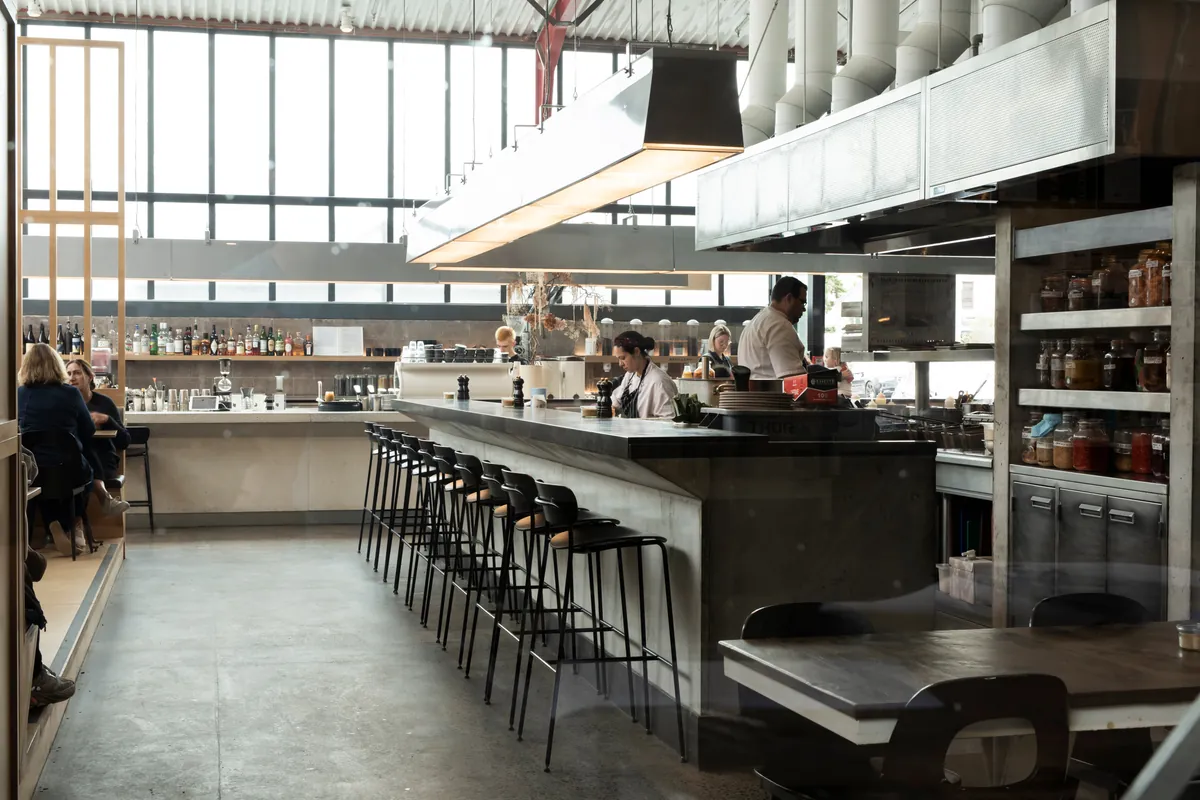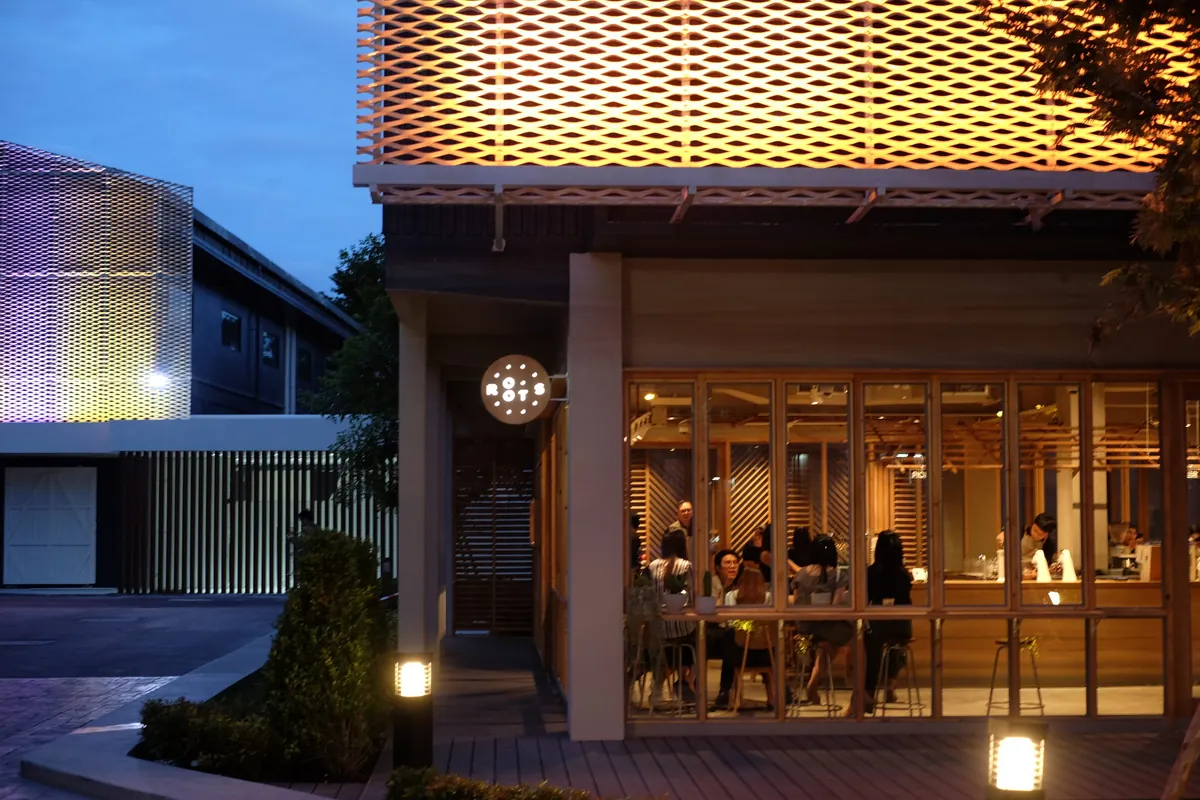
Every venue in this guide roasts its own coffee and pours it in its own cafés. Namusairo started in 2002, Coffee Libre in 2009 and Lowkey, as Coffeejumbbang, in 2010; Coffee Montage opened in Gangdong in 2013. Anthracite turned a shoe factory in Hapjeong into its coffee factory and pours in older buildings across Mapo, Yongsan and Seodaemun, while Center Coffee and FELT pour in Seoul Station, a Myeongdong department store and office towers around Gwanghwamun. Two roast just outside the city: Lowkey in Namyangju and Coffee Montage in Hanam. Most of the cafés are in Mapo, Jongno, Seongsu and Jung-gu.
Fritz Coffee Company, Dohwa and five more cafés
Fritz Coffee Company’s three words are “bread and coffee” (빵과 커피). Its bakery-cafés are numbered in the order they opened. The first is in Dohwa, in Mapo-gu, and the others are in Wonseo, Yangjae, Dongnimmun and Jangchung in Seoul and in Seongsan on Jeju. Bakers and baristas make up most of the team. Fritz buys through direct trade and roasts its own single origins and blends. The blends start from one idea, “coffee is fruit” (커피는 과일입니다), with one bittersweet blend of heavier body. For coffee professionals it runs an eight-session cupping class, and its customers have a club whose members take seal nicknames, after the seal holding a coffee bean on the Fritz logo.
Coffee Libre, Yeonnam and Myeongdong
Coffee Libre was founded in 2009 by Pil Hoon Seu. It imports green coffee, roasts and sells retail and wholesale, and its team spends more than 90 days a year at origin. Its blue wrestling mask comes from the film Nacho Libre, whose hero wrestles at night to fund an orphanage. In 2014 it bought Finca Libre in Mozonte, Nicaragua, where it trials varieties and processing and trains local growers for free, and it became a Certified B Corporation in March 2025. It has four cafés. In Yeonnam-dong there are the Yeonnam café, which holds free public cuppings, and Paran, in the company’s own building. The others are in the 1898 Plaza at Myeongdong Cathedral and in Times Square in Yeongdeungpo.
Anthracite Coffee Roasters, Hapjeong to Hannam
Anthracite Coffee Roasters began in an old shoe factory in Hapjeong, next to the Dangin-ri power station, and kept the building as its coffee factory. It roasts every day and builds a profile for each green coffee from the temperature, time and heat that bring out its character. Each café is in an older building. Hapjeong is kept dim to play on light and shade, Seogyo fills an old house in Mangwon-dong with long windows and a garden, Hannam’s large windows all open onto the street, and Yeonhui is finished in black.
Namusairo, Naeja-dong
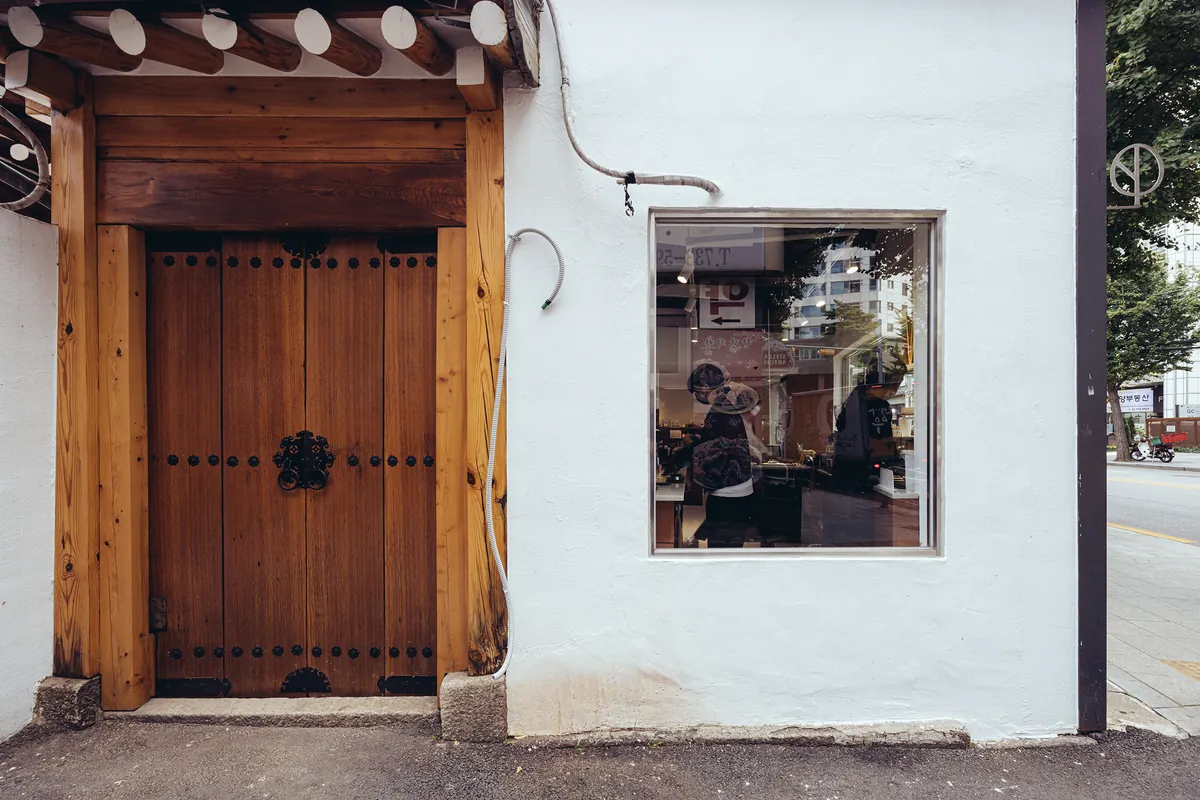
Namusairo started in Seoul in 2002. It returns to the producing countries to talk with farmers and builds its coffee on good ingredients, logical roasting and strict quality control. Its first value is the aesthetics of the ingredient: specialty coffee as natural coffee rather than as something special. The Seoul café is in Naeja-dong in Jongno, behind a wooden door under a tiled roof. The headquarters, a picnic café and the factory are in Seogun-dong, Seongnam. Its range mixes named coffees, such as 봄의 제전 (The Rite of Spring), with single lots, among them a Parainema from Honduras that it now roasts dark for espresso.
FELT Coffee, Gwanghwamun and Cheonggyecheon
FELT Coffee sends its team to the producing countries every year to choose green coffee and roasts it so that the terroir shows, with its own green-coffee buyer, cuppers, roasters and baristas checking quality. Many recent lots come from Costa Rica, among them a San Roque from the Antonio Barrantes family’s Herbazu micromill, which FELT has bought from directly for ten years. Three espresso blends, Seasonal, Classic and Classic Plus+, run from bright to dark. The cafés are in the lobby of the D Tower near Gwanghwamun, beside the Cheonggyecheon stream and in Pangyo.
Center Coffee, Seoul Station, Myeongdong and three more
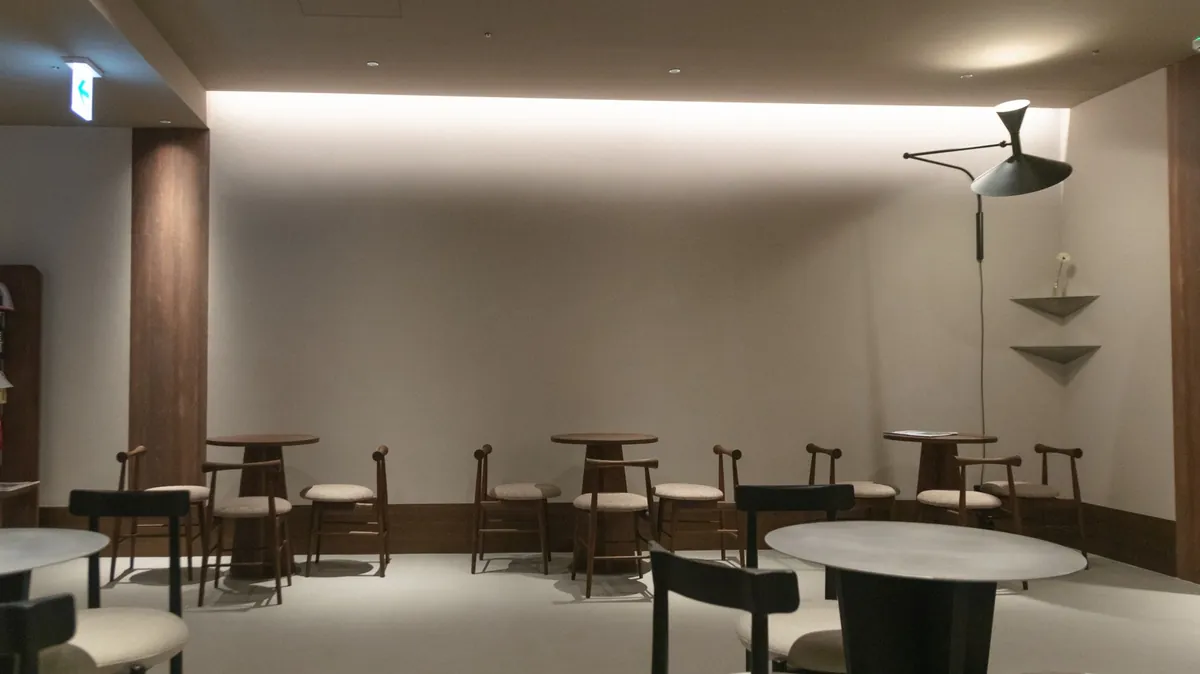
Center Coffee is led by Park Sang Ho, and its line is “당신에게 집중하는 마음”, a mind that focuses on you. Its five cafés are on the fourth floor of Seoul Station, on the fifth floor of the Lotte Department Store in Myeongdong, in the basement of the Seoul Finance Center by Gwanghwamun, in Samseong and in the Eastpole complex in Guui. Its espresso blends are Icebreaker, Friday and May Day, and its single origins are sold for filter, among them the FLUX series of single lots in boxes, such as a washed Geisha from Jose Luis Chevas’s farm in Boquete, Panama.
Lowkey, Seongsu and Songjeong
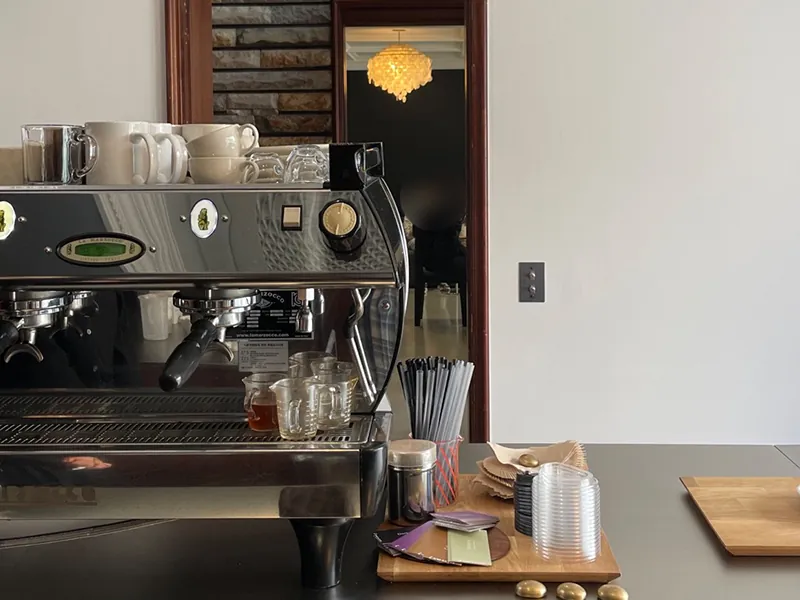
Lowkey has roasted and supplied coffee since 2010, when it started as Coffeejumbbang, and took its present name in 2016. Its line is “커피가 그 자체로 빛날 수 있도록”, so that the coffee can shine on its own. It roasts in small batches on a Diedrich and a Probat at its roastery in Deokso, Namyangju, and its CEO, Jane Cho, has judged the Cup of Excellence since 2013. Three of its cafés are in Seongdong-gu, in Seongsu, at Heyground and in Songjeong, and the others are in Yeonhui, in the GS Tower in Gangnam and in Deokso. Five house blends run from the dark Why So Serious? to the Ethiopian Champagne, and the coffees of the month are single origins. Lowkey also teaches sensory classes in three levels.
Coffee Montage, Gangdong
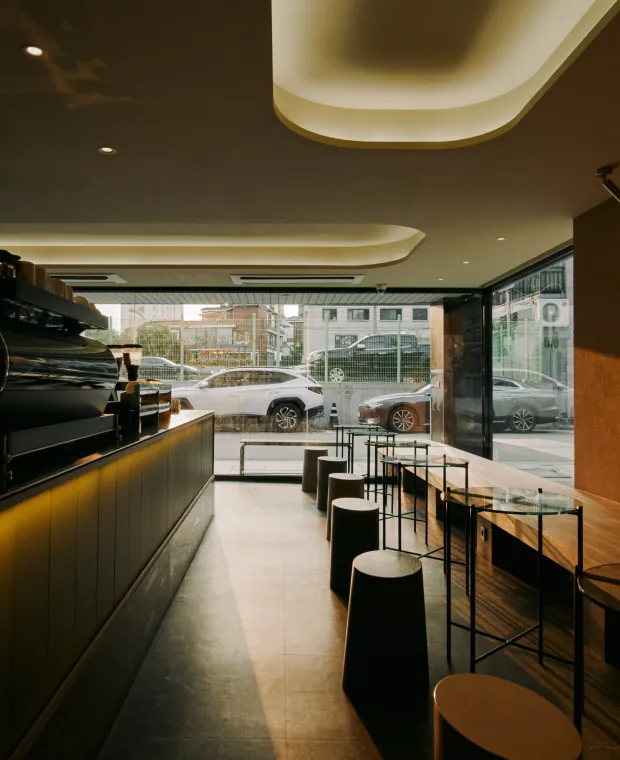
Coffee Montage opened in 2013 as a small roastery and café in Seongnae-dong, Gangdong-gu, and the coffee bar has received a Blue Ribbon from the Blue Ribbon Survey every year since 2014. In 2016 the roasting moved to a factory in Hanam, where a 35 kg Loring Smart Roast and a 5 kg Probat roast for about 150 cafés around the country. A Bittersweet Life Ed.1 is the house medium-dark blend of India, Colombia and Ethiopia, Ed.2 is the same blend roasted darker, and the Black Box series brings in Cup of Excellence winners and Geishas.
Manufact Coffee, Yeonhui and Seochon
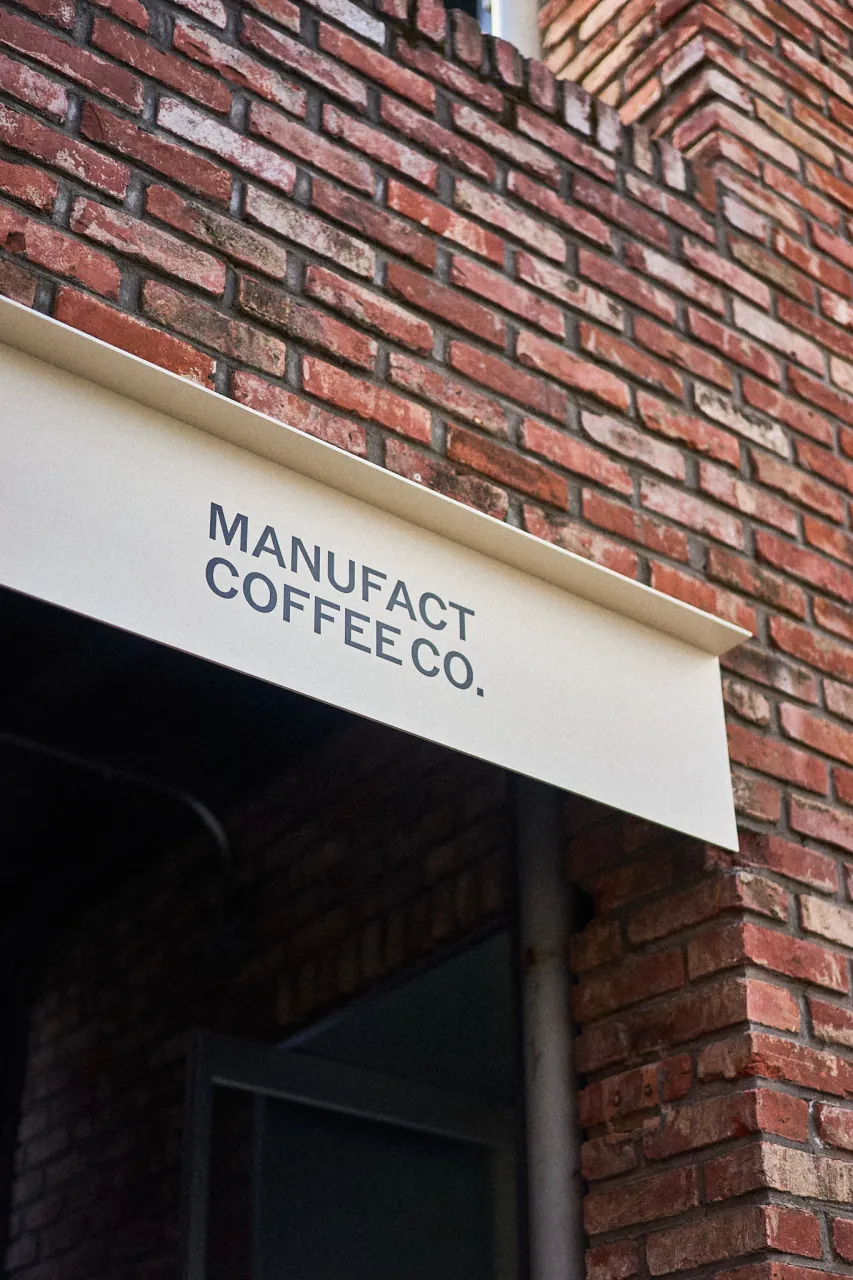
Manufact Coffee takes its name from MANOS and FACTUM, a thing made by hand. Its main café is up a staircase in Yeonhui-dong, where it has been part of the neighbourhood for well over a decade, with a second café in Seochon and a third at Starfield Hanam. Its first blend, Paul Gauguin, is named after the colours of the paintings Gauguin began in Tahiti, and Oreum after the small volcanic hills of Jeju. Manufact takes part in the Yeonhui Coffee Festival and marked its thirteenth anniversary in March 2026 with a run from the Yeonhui café over Ansan and Inwangsan to coffee and bread in Seochon.
Roasters and cafés from elsewhere
Intelligentsia Coffee, from Chicago, has four coffeebars in Seoul, in Seochon, Myeongdong, Lotte World Mall in Jamsil and Shinsegae Gangnam. De Mello Coffee, from Toronto, has a café in Guro-gu, De Mello Korea. Birch Coffee, from New York, has a store in Seoul.
What you need to know about Seoul specialty coffee
Which Seoul coffee shops roast their own coffee? All nine venues in this guide: Fritz, Coffee Libre, Anthracite, Namusairo, FELT, Center Coffee, Lowkey, Coffee Montage and Manufact. Lowkey roasts in Namyangju and Coffee Montage in Hanam, both just outside the city.
When did these roasters start? Namusairo started in Seoul in 2002, Coffee Libre in 2009, Lowkey, under its first name, in 2010 and Coffee Montage in 2013.
Where can you join a cupping or a class? Coffee Libre holds free public cuppings at its Yeonnam café and hosts cuppings at Paran. Fritz teaches an eight-session cupping class for coffee professionals, and Lowkey runs sensory classes in three levels.
Which cafés are in old buildings? Anthracite Hapjeong is a former shoe factory and Anthracite Seogyo an old house in Mangwon-dong.
Where is there bread with the coffee? Fritz’s cafés are bakery-cafés, built on “bread and coffee”.
Which roaster sells its single origins for filter? Center Coffee lists its single origins under filter, including the FLUX series of single lots.
Photo credits
Photographs belong to the businesses and are reproduced from their official websites with attribution.