If a bag says “Kenya, washed”, you have a starting point, not a complete description. The growing region, the washing station, the varieties and the intended roast use add details that are worth keeping together.
Three catalogue listings give you a practical comparison without turning it into a contest.
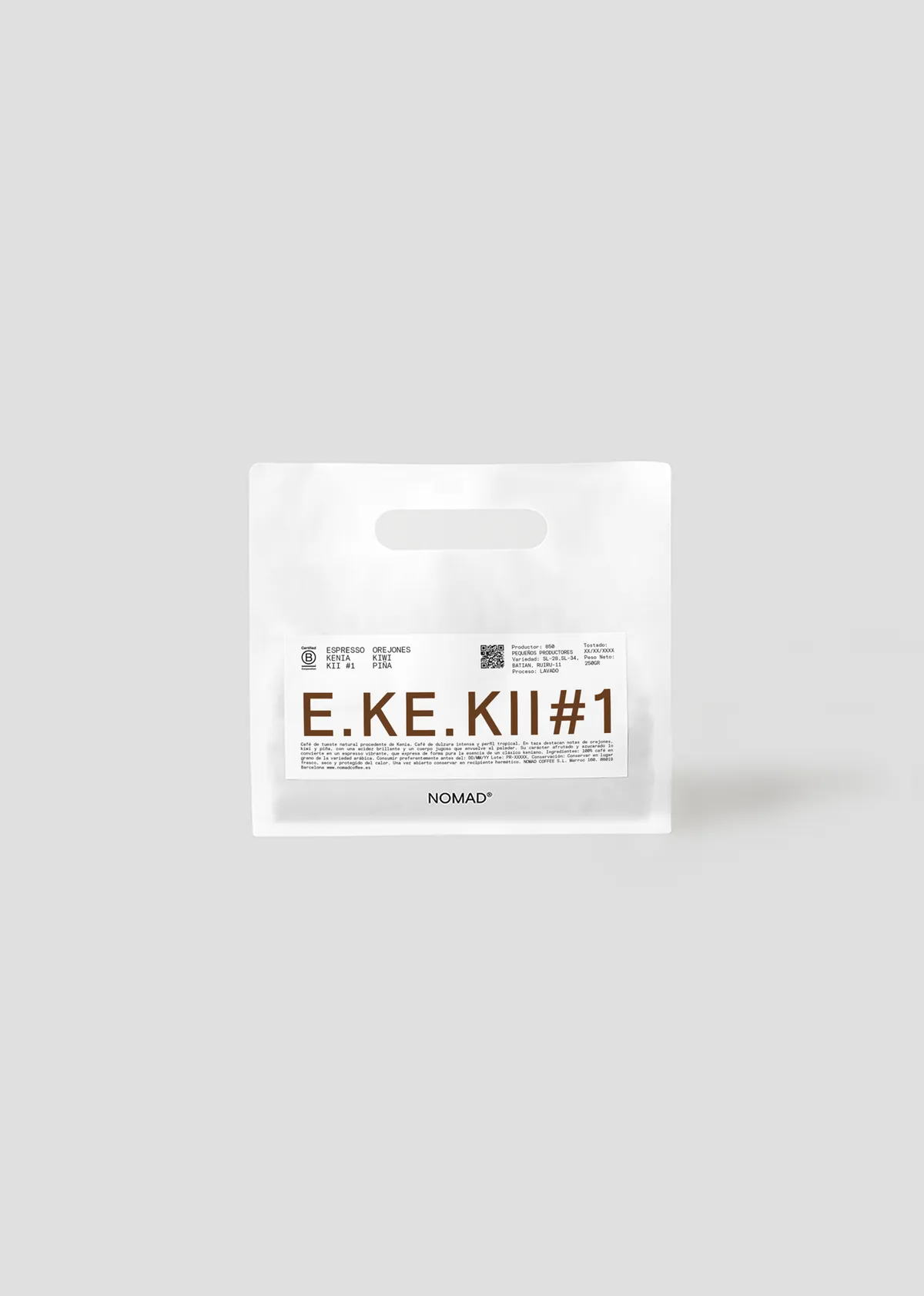
KII#1 by NOMAD
NOMAD lists KII#1 as an espresso coffee from Kenya, processed by washing, with SL-28, SL-34, Batian and Ruiru-11 varieties. Its account of the Kii washing station places the coffee in Kirinyaga.
The roaster’s published tasting notes are dried apricot, kiwi and pineapple. Those are NOMAD’s descriptions, rather than a tasting assessment by Coffee Dash.
Kii AB by NOMAD
Kii AB shares the Kenyan origin and washed process, but is listed for filter. NOMAD gives dried fig, bergamot and black tea as its tasting notes.
Keeping the espresso and filter records separate helps you save the coffee you actually brewed. It also keeps your own recipes attached to the right listing.
Kamwangi AA Filter by Abyss
Abyss places Kamwangi in Gichugu, Kirinyaga, and lists a washed process with SL28, SL34, Batian and Ruiru 11. It is offered as a filter coffee. Its published notes include sugar cane, bergamot and forest berries.
The similarities make this a useful set to explore; the differences give you something to pay attention to. We have not independently tasted or ranked these coffees.
Let your notes finish the story
The catalogue gives you the growing facts and the roaster’s description. Your journal can hold the rest: what you brewed, the recipe you used and what stood out to you.
These product pages were checked on 17 October 2026. Coffee is seasonal; check the roaster’s current listing before planning a purchase.
Sources & further reading
Information checked on 17 October 2026. Offerings and opening hours can change.