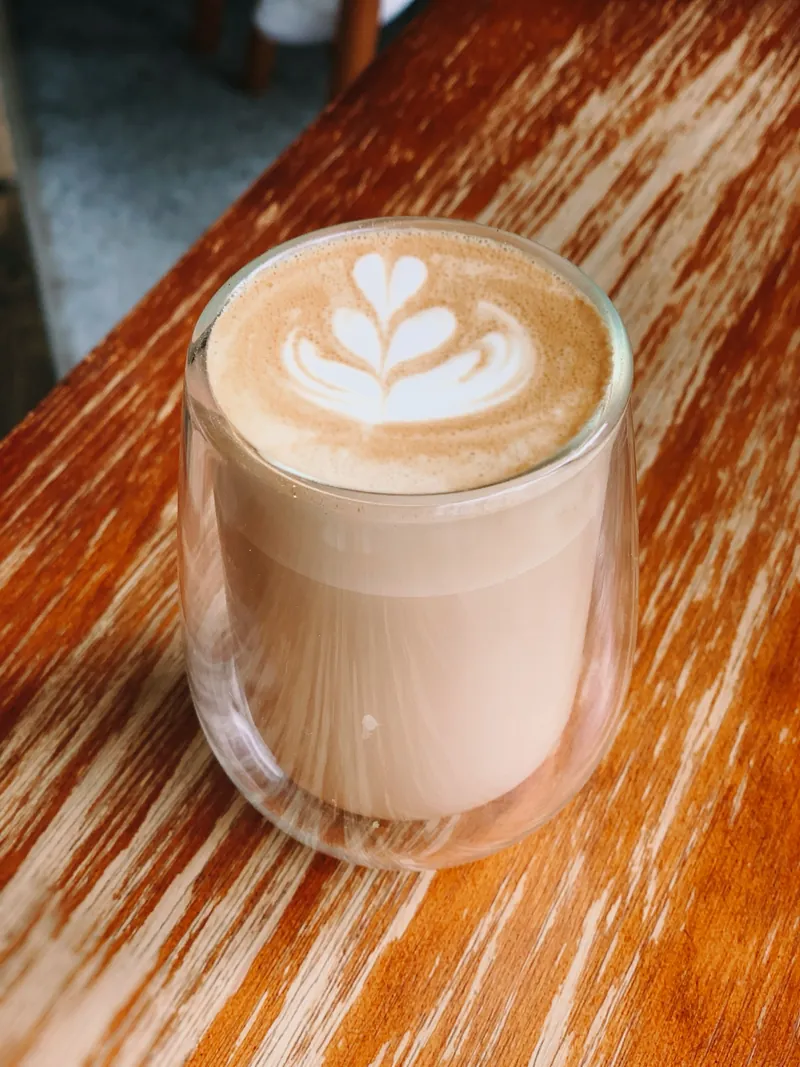
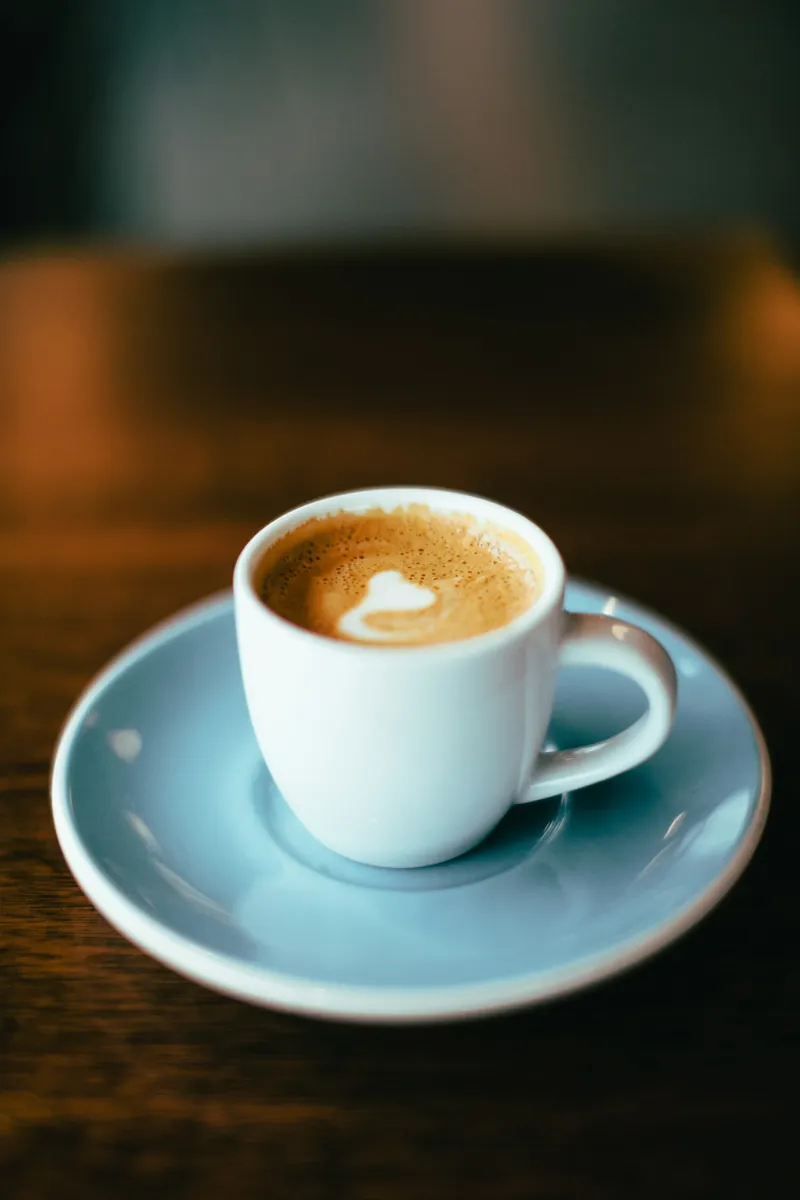
A cappuccino is a single shot of espresso with steamed milk and a layer of milk foam on top1. It’s a small drink in both of its written standards: the Italian one fills a cup of 150 to 160 ml2, and the World Barista Championship’s old definition allowed 150 to 180 ml3.
What’s a cappuccino?
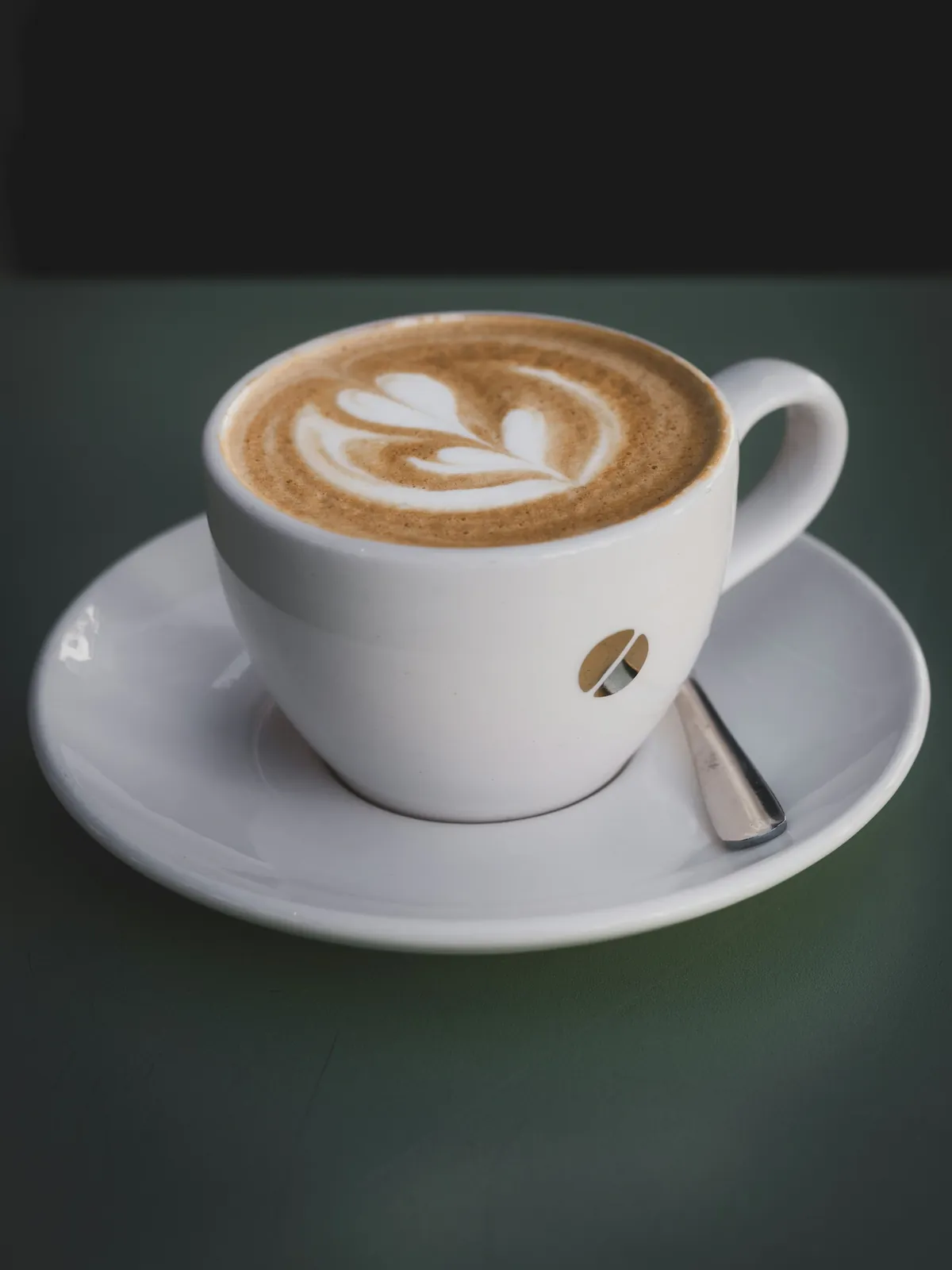
In Italian, a cappuccino is a drink of espresso and milk that’s named for its colour4. A common way to describe it is the rule of thirds, which is one-third espresso, one-third steamed milk and one-third foamed milk56. The author James Hoffmann dates that definition to the 1950s, long after the drink first appeared5.
The ratio of espresso to steamed milk and foam changes from one country and one café to the next7.
Where the name comes from
The cappuccino takes its name from the Capuchin friars, because espresso mixed with frothed milk was close in colour to their brown robes8. The order was founded in Italy in the 16th century, and it’s named in turn after the cappuccio, the long pointed hood on the habit8. Italian still uses colore cappuccino for a dark brown like the friars’ tunic4.
The name was given to a coffee in Vienna before it reached Italy6. The Kapuziner was brewed coffee with milk or cream added until it turned the brown of the robes5, and it dates to the coffee houses of the 18th or 19th century65. Many Austrian coffee houses still serve a Kapuziner, which they make with coffee, sugar, whipped cream and spices7.
The Italian cappuccino first appeared in the early 20th century, after the espresso machine had been invented6. Those early machines were expensive and cumbersome, so it wasn’t until cheaper ones spread after the Second World War that the cappuccino became Italy’s breakfast drink6. Outside Italy it became popular first in Britain, and it reached Italian restaurants in the United States as early as the 1930s6.
The Italian definition
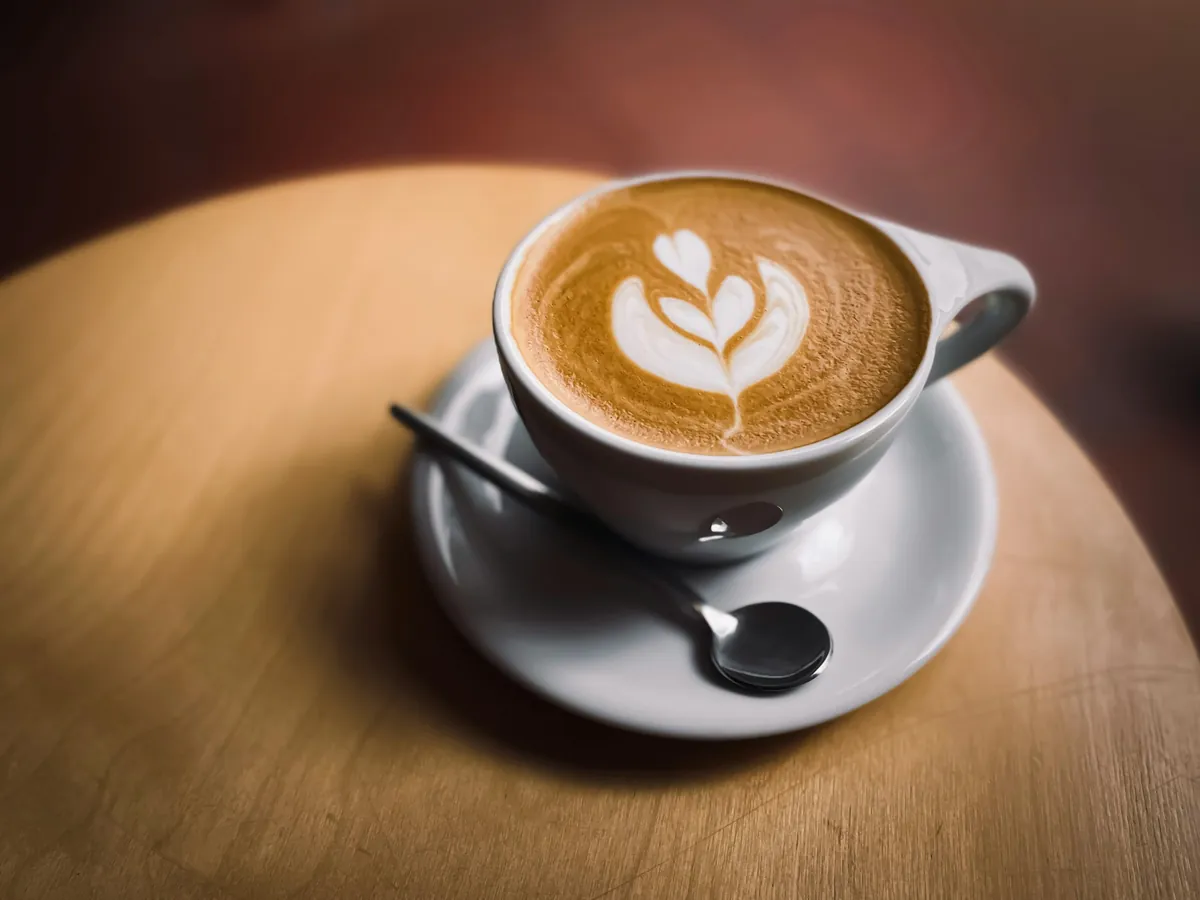
The Italian Espresso National Institute (Istituto Espresso Italiano) was founded in 1998 to protect espresso, and it had its cappuccino standard certified in 20062. Its Certified Italian Cappuccino is 25 ml of espresso and 100 ml of milk9. The milk is fresh cow’s milk that starts cold, at 3 to 5 °C, and it’s steamed until it reaches about 125 ml and about 55 °C before being poured onto the espresso in a cup that holds 150 to 160 ml2.
The cup is served full to the brim with a domed top2, and the classic version is white with a brown ring around the edge9.
The competition definition and how cafés make it
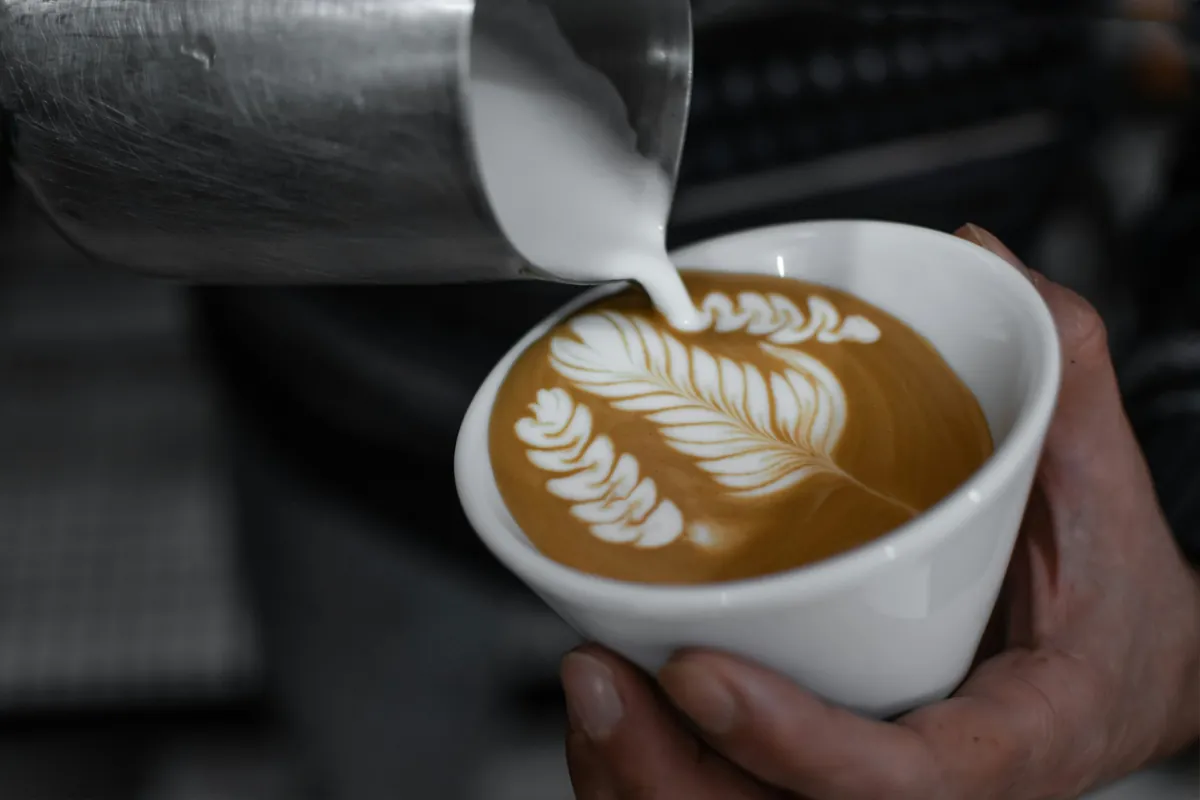
Until 2015, the World Barista Championship required a cappuccino made with a single shot of espresso and textured milk, with at least 1 cm of foam, in a 150 to 180 ml cup3. In 2016 that course was replaced by a more loosely defined milk drink, which is a single shot of espresso and milk in a cup of anything from 30 to 240 ml3. The current rules still call for a single shot of espresso with steamed milk, and they allow plant-based milks as well as animal ones10. Spices and powders on top aren’t accepted10.
Cappuccinos in cafés have changed size too5. Agnieszka Rojewska, a barista and trainer based in Poland, remembers the cappuccino of 2008 as at least 220 ml and about half foam, where today’s is 120 to 180 ml with foam filling 20 to 25% of the cup5. The drink shrank with the rise of specialty coffee, because a smaller cup needs less milk and leaves more of the espresso’s flavour to taste5.
Some cafés make their cappuccino with two shots to bring out more of the coffee1, and a common version on the West Coast of the United States is an espresso of roughly 36 to 40 g with milk in a 155 to 170 g cup5. Toppings change with the country as well: cinnamon is a popular addition in many European countries, and the Brazilian cappuccino typically includes cacao powder or cinnamon7.
Cappuccino vs latte
A latte is a cappuccino with more milk and less foam11. Where the latte is served as a large drink it’s typically 295 to 340 ml, against around 180 ml for a cappuccino, and a cappuccino has at least 1 cm of microfoam where a latte has around 0.5 cm11. The milk on a cappuccino is also more aerated, so it forms distinct layers over the espresso instead of blending with it, which makes the cappuccino the more intense drink5.
Cappuccino vs flat white
A flat white is typically made with roughly the same amount of milk as a cappuccino but with only 0.5 cm of foam5, and it’s often made with a double shot of espresso1.
Cappuccino vs cortado and macchiato
A macchiato and a cortado are both smaller than a cappuccino, usually 3 to 4 ounces5.
Dry and wet cappuccino
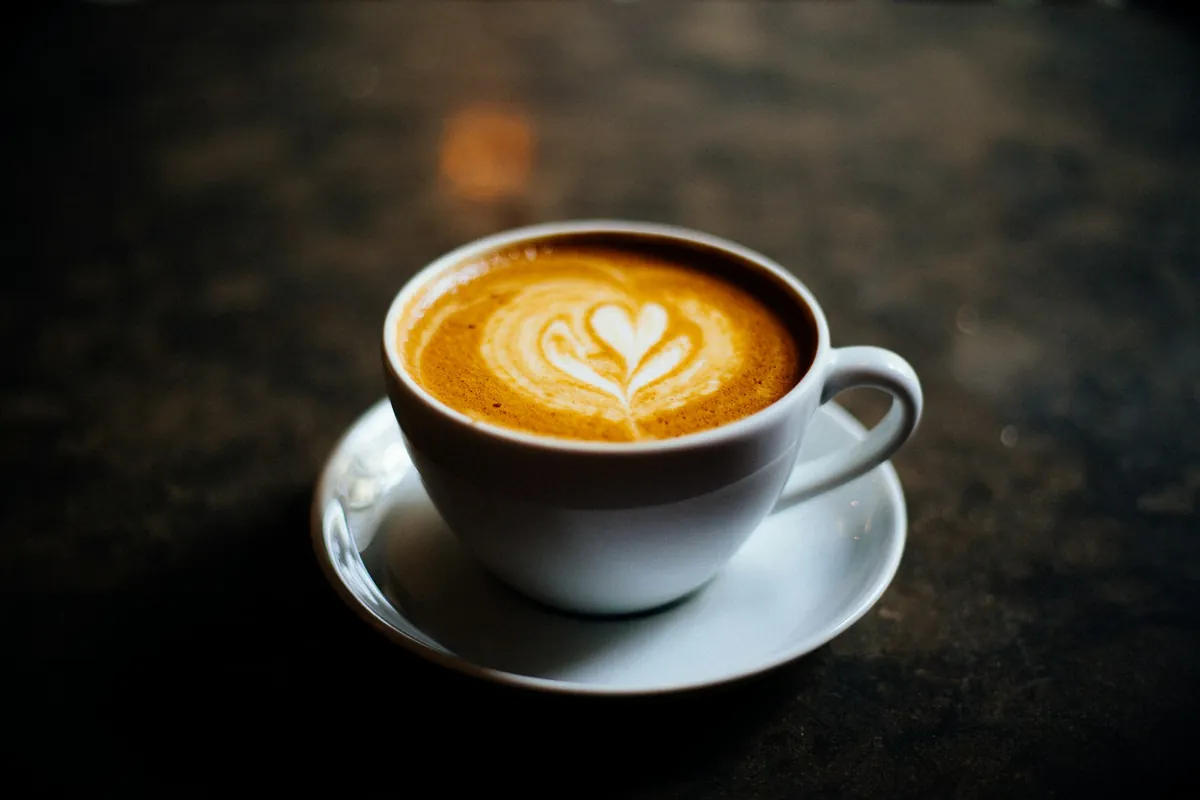
Dry and wet describe how the milk is divided between liquid and foam7. A wet cappuccino has more steamed milk and less microfoam, which dilutes the coffee flavour and balances out bitterness7. A dry one has less steamed milk and more foam, so it feels airier and stiffer and tastes more strongly of coffee7. Italian has its own pair of words, chiaro and scuro, for a cappuccino with less or more coffee in it4.
Why Italians drink cappuccino in the morning
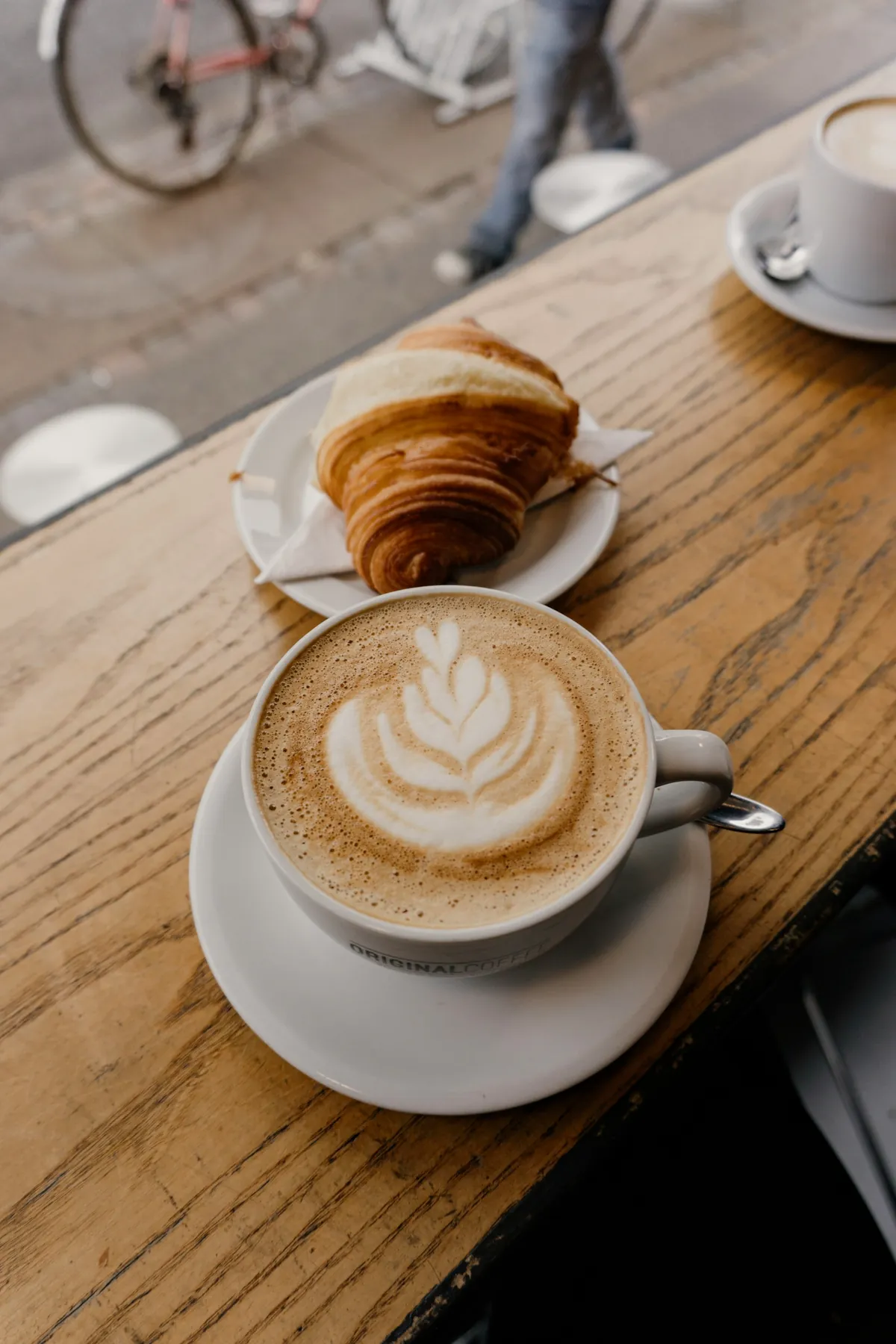
In Italy the cappuccino is a breakfast drink, taken with little more than a pastry or a roll6, and it’s commonly drunk only once a day5. Italians have traditionally avoided milk after breakfast in the belief that it gets in the way of digesting a proper meal, which is why cappuccinos are seldom served after 10 or 11 in the morning6. Many Italian coffee bars put their milk jugs away in the late morning6.
References
- Perfect Daily Grind, microfoam: how much should each milk-based coffee drink have?
- Italian Espresso National Institute, the Certified Italian Espresso and Cappuccino (2006)
- Daily Coffee News, major changes coming to the 2016 World Barista Championship
- Treccani, Vocabolario: cappuccino
- Perfect Daily Grind, what is a cappuccino and how has it developed over time?
- Encyclopaedia Britannica, cappuccino
- Perfect Daily Grind, cappuccino variations around the world
- Merriam-Webster, where does the word 'cappuccino' come from?
- Istituto Espresso Italiano, Certified Italian Espresso
- World Coffee Championships, 2026 World Barista Championship official rules and regulations
- Perfect Daily Grind, what is a latte and why is it so popular?
Photo credits
- Haberdoedas, Unsplash License
- nameless 3791, Unsplash License
- Armin Lotfi, Unsplash License
- Dani, Unsplash License
- David Dvořáček, Unsplash License