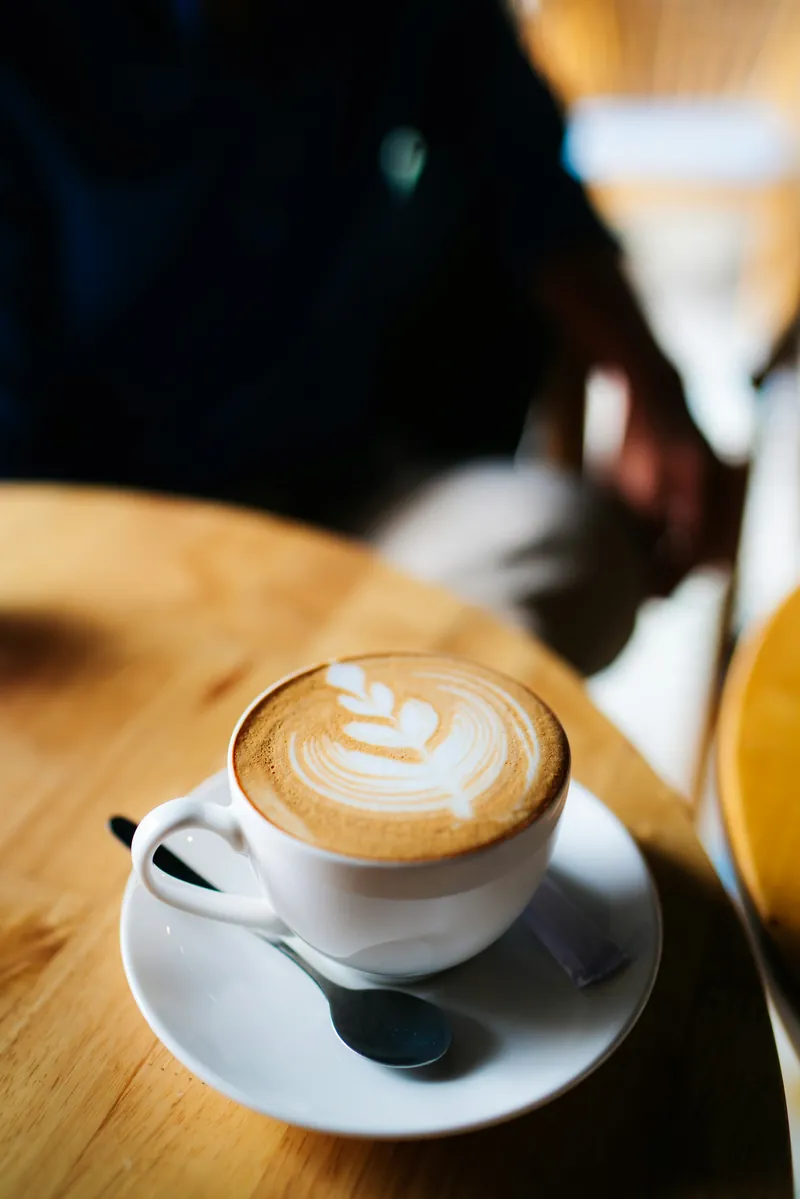
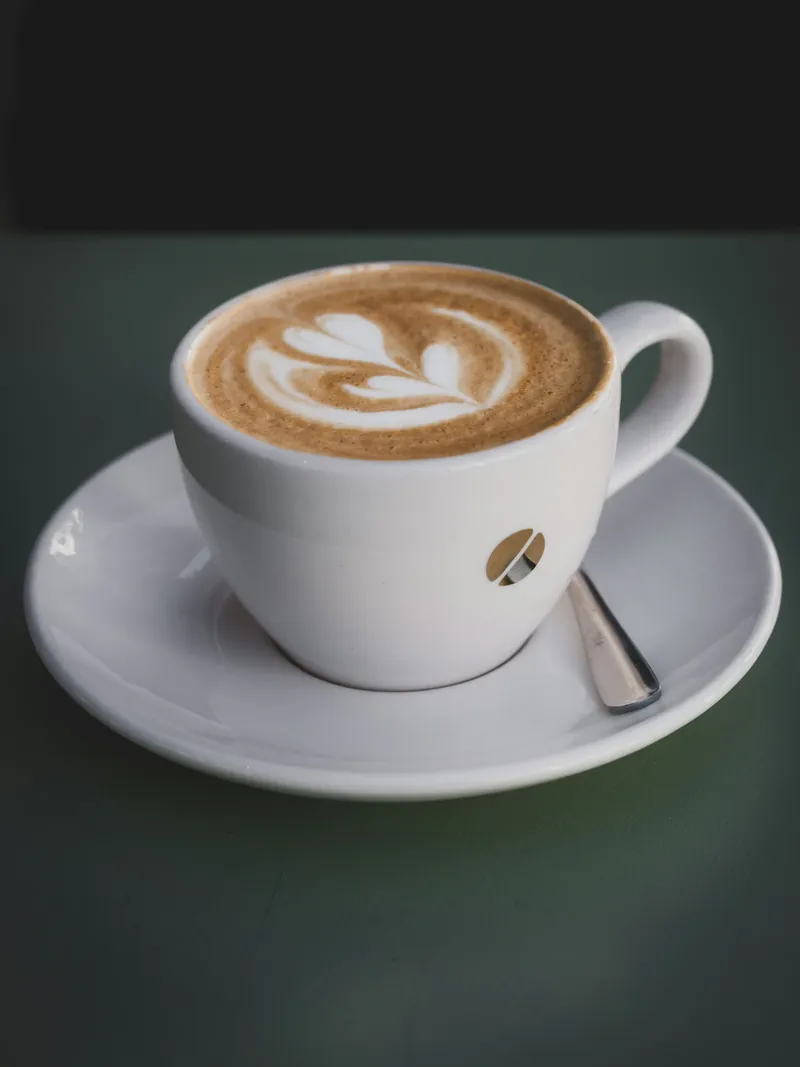
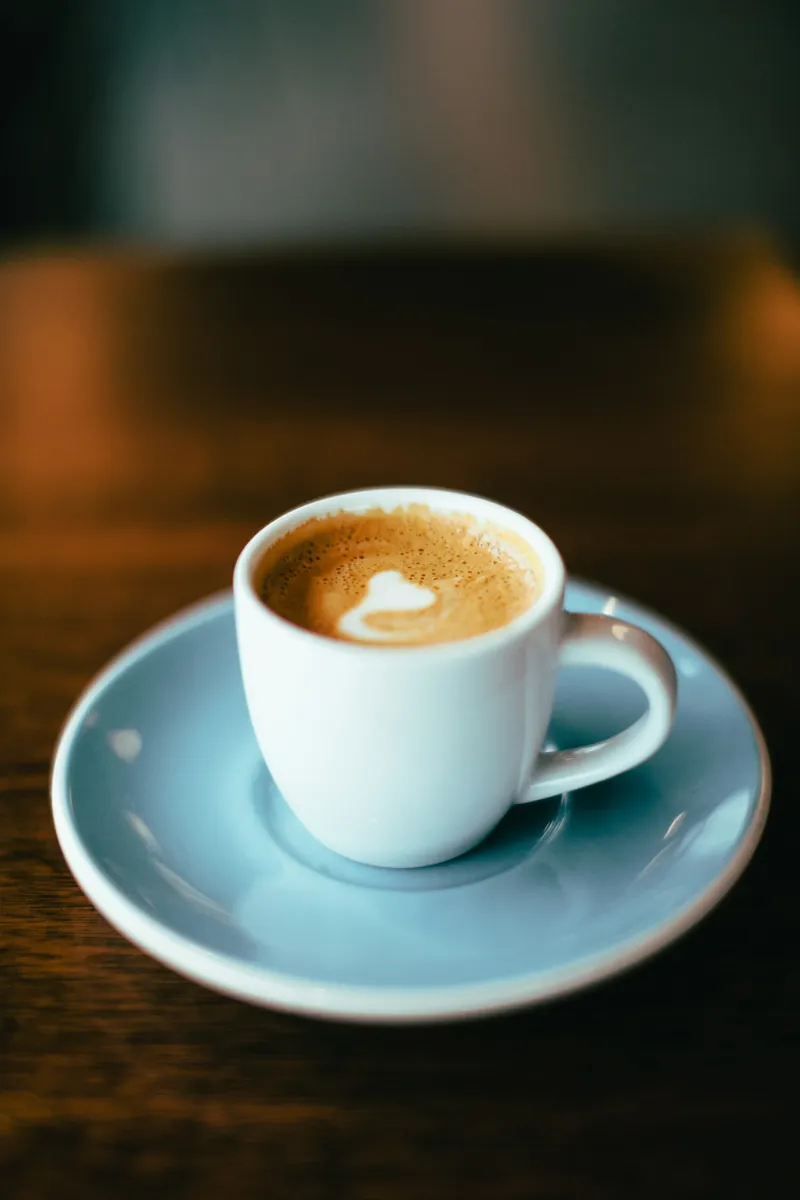
A latte is espresso with a lot of steamed milk and a little foam on top1. The word is Italian for milk2, and the drink sold under that name took its present form in the United States1.
What’s a latte?
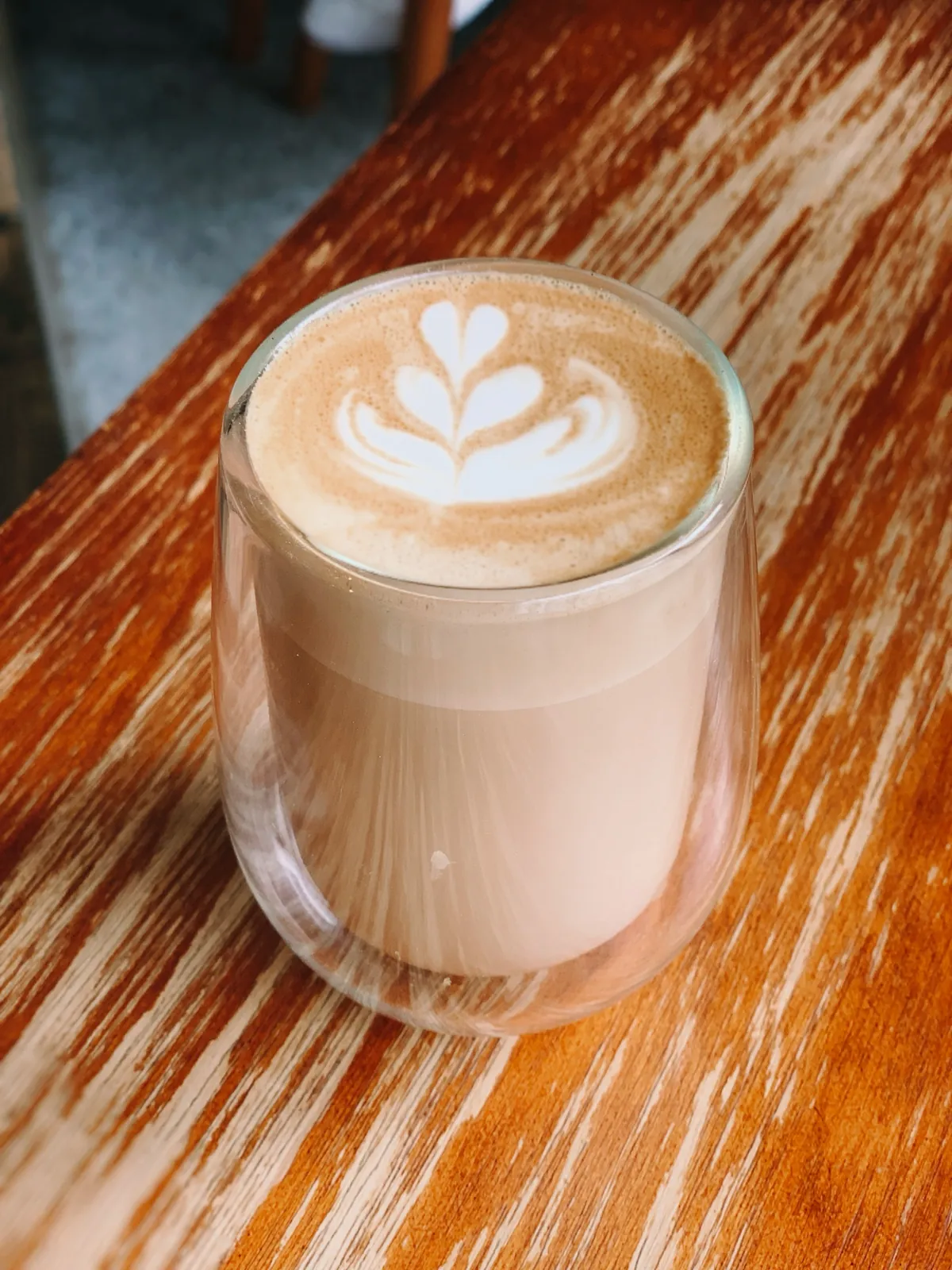
In the United States a caffè latte, or latte for short, is one or two shots of espresso and about three times as much hot milk, served in a big bowl or wide-mouthed glass with a short head of froth1.
Caffè latte: what the word means in Italian
Latte is the Italian word for milk, from the Latin lac2, so anyone who orders a latte in Italy gets a glass of milk3. The Italian name for coffee with milk is caffellatte, also written caffè e latte, and it’s a drink taken mostly at breakfast4. At home it may be made with ordinary coffee from the pot and milk heated on the stove, and it doesn’t appear on the menus of Italian espresso bars outside the places that attract American tourists5.
The Italian bar’s equivalent is the latte macchiato, hot milk and a little froth “stained” with espresso in a glass of 6 to 10 ounces5. It’s the reverse of the espresso macchiato, where a small quantity of frothed milk stains the coffee1.
How the latte became popular in the United States
The caffè latte comes from the Italian-American espresso menu, which developed in Italian-American communities from the 1920s to the 1940s and moved into bohemian and university coffee houses during the 1950s6. That menu resembles the Italian one with a few more choices on it, “in particular the caffe latte and the caffe Mocha”6.
Lino Meiorin, who is considered the inventor of the latte, was an Italian-trained barista and the co-owner of a café near the University of California in Berkeley, which had opened in 195678. His customers weren’t used to the strong flavour of an Italian cappuccino and kept asking for more milk, so in 1959 he put a larger drink on the menu, with the same amount of espresso and more steamed milk, and called it a latte7. It was served in a bowl at first and then in a pint beer glass7.
The latte stayed in the San Francisco Bay Area until Seattle popularised it in the early 1980s, and it spread across the United States in the early 1990s7. Seattle sold it from espresso carts in disposable cups, so customers walked away with a 16-ounce milky drink instead of finishing it at the bar9, and by 1993 the city had more than 200 of those carts10. One of them was opened in 1988 by David Schomer, a former Boeing engineer who worked on milk foam and texture and in 1995 created a video course called “Caffe Latte Art”11.
How big is a latte, and how much milk is in it?
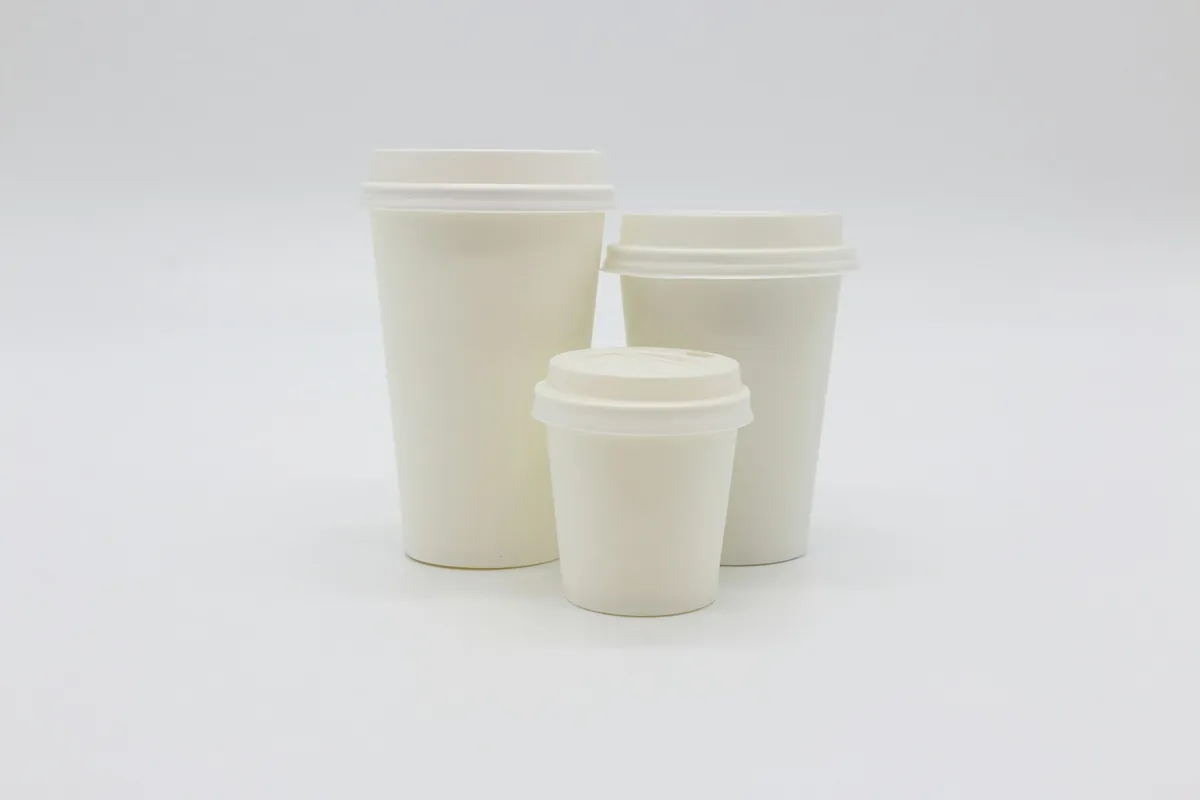
The size of a latte depends on the country, and the American latte glass of the 1990s was the largest at 16 ounces5.
| Where | What the latte is |
|---|---|
| United States, Italian-American style1 | One or two shots of espresso and about three times as much hot milk, with a short head of froth, in a big bowl or wide-mouthed glass |
| Seattle, 199310 | A shot of espresso with steamed milk, topped with foamed milk; a “tall” is 10 to 12 ounces and a “grande” is 16 |
| Melbourne, 201412 | Served in a 7.5-ounce (220 ml) glass |
| World Latte Art Championship, 202313 | A single espresso, a double or a ristretto, in a cup of 190 to 300 ml |
| Italy, latte macchiato5 | Hot milk and a little froth with a serving of espresso, in a glass of 6 to 10 ounces |
A double in the United States has twice the coffee and about the same milk, so it tastes stronger in a glass of the same 16 ounces14.
Latte vs cappuccino
A latte has a greater proportion of milk to coffee than a cappuccino, so it tastes weaker and milkier1. The classic Italian-American cappuccino is about a third espresso, a third milk and a third rather stiff foam in a six-ounce cup1.
Latte vs flat white
A flat white is the smaller of the two: in Melbourne’s specialty bars it’s one part espresso to five parts milk in a six-ounce ceramic cup, while the latte comes in a 7.5-ounce (220 ml) glass with milk steamed to a similar consistency12.
Café au lait vs latte
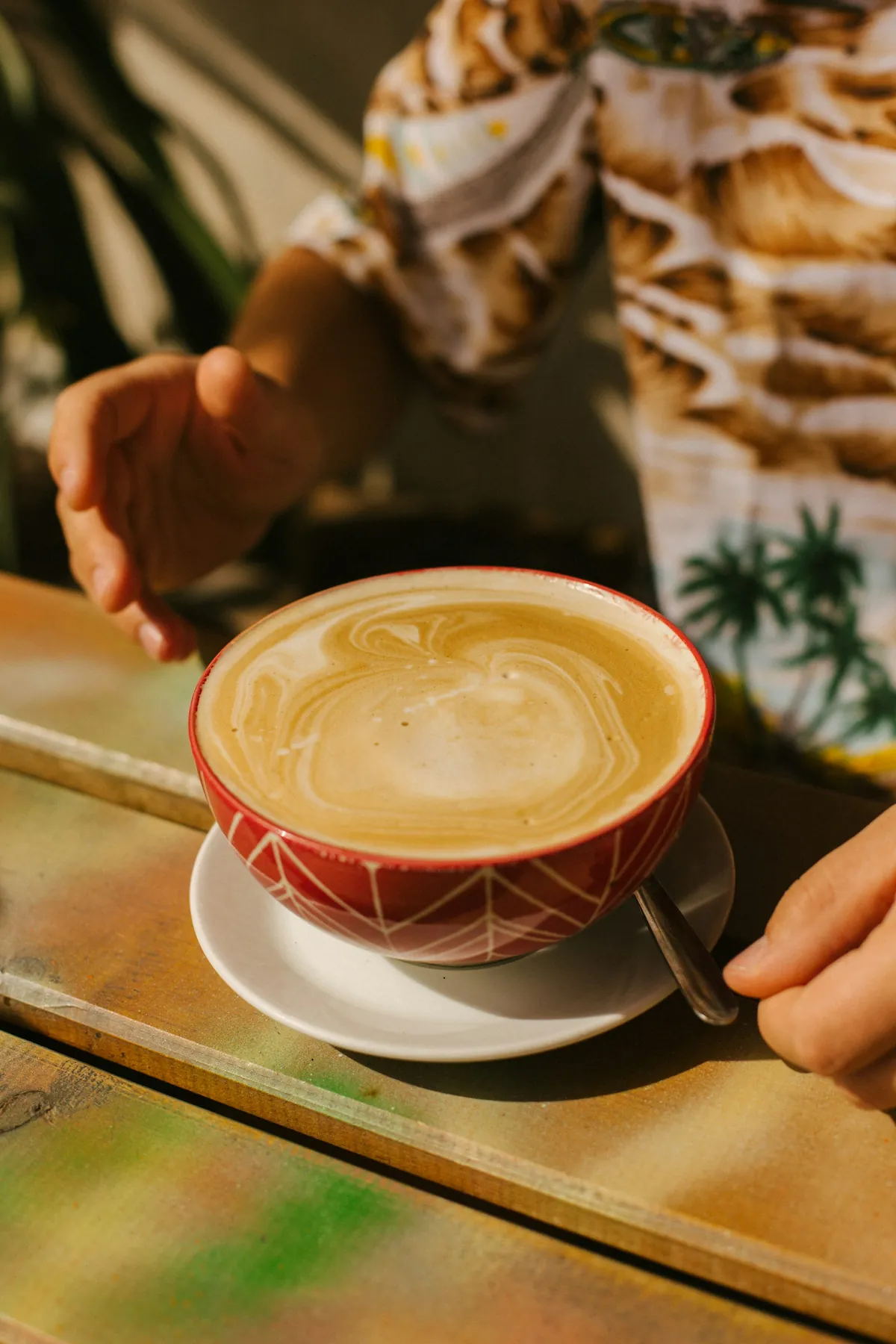
In American cafés the difference is the coffee, because a caffè latte is made with espresso and a café au lait with ordinary filter coffee1. Filter coffee is lighter in body than espresso, so a café au lait needs more of it, about half coffee to half hot milk and froth, usually in a 12- or 16-ounce glass or bowl14.
Mocha vs latte
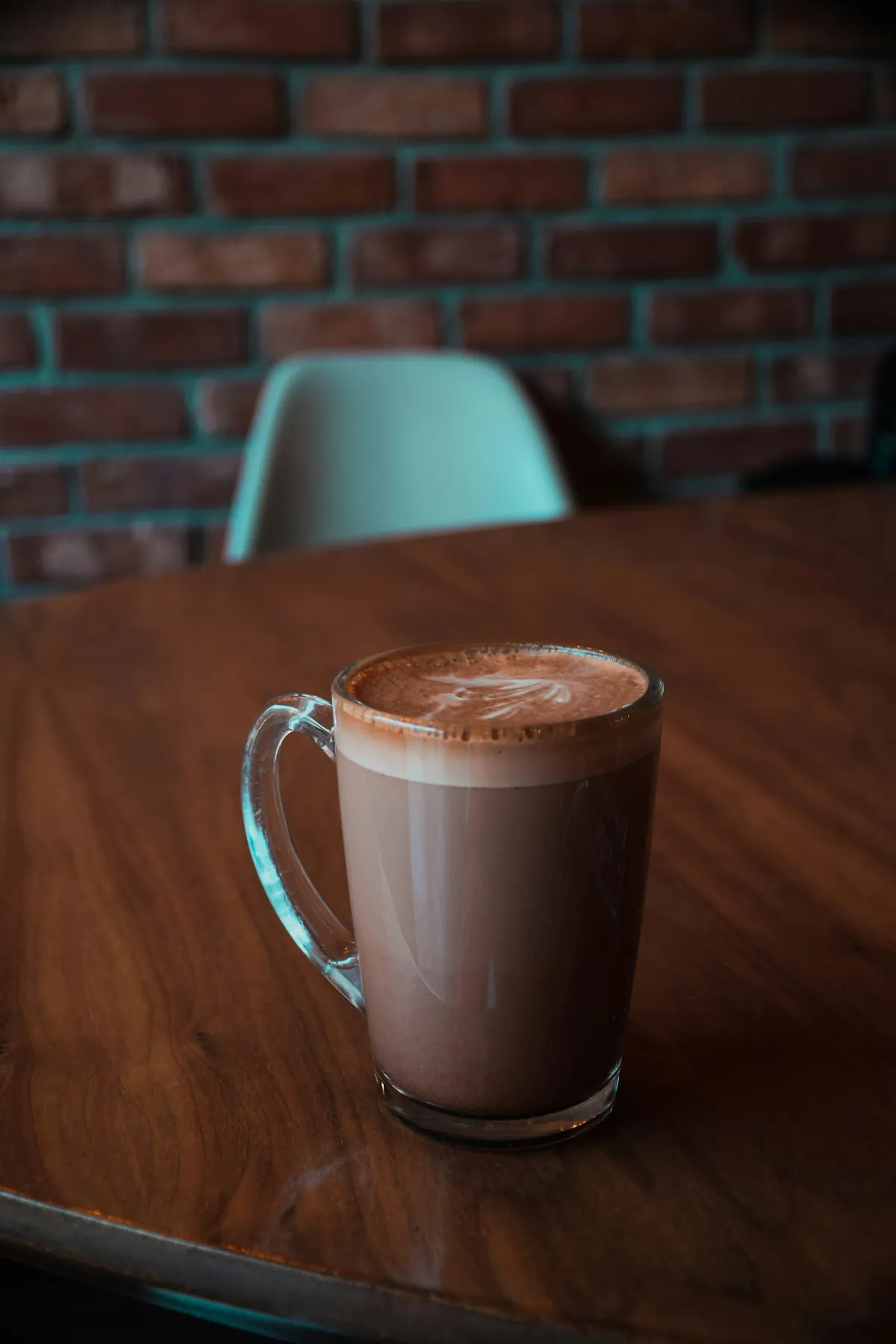
A caffè mocha is the version with chocolate, and the classic Italian-American recipe mixes a serving of espresso with about two ounces of very strong hot chocolate and tops it with hot frothed milk in an eight-ounce mug1. American cafés often add chocolate syrup to a caffè latte and call that a mocha1. The mocha isn’t on Italian espresso menus either, although Milan’s barbagliata and Turin’s bicerin both combine chocolate and coffee5.
References
- Coffee Review, traditional drink descriptions
- Treccani, latte
- NPR, Italy's coffee culture brims with rituals and mysterious rules
- Treccani, caffellatte
- Coffee Review, classic Italian
- Coffee Review, Italian-American
- Politecnico di Milano, Transatlantic Transfers: Lino Meiorin
- Daily Coffee News, remembering latte birthplace and quintessential counterculture destination Caffe Med
- Coffee Review, the American cuisine
- The Seattle Times, a state of bean: Seattle's coffee culture exerts quite a pull on java junkies
- HistoryLink, coffee in Seattle
- Barista Magazine, Shanny's guide to ordering coffee in Melbourne
- World Coffee Events, 2023 World Latte Art Championship official rules and regulations
- Coffee Review, American style drinks
Photo credits
- Billy Kwok, Unsplash License
- Brando Makes Branding, Unsplash License
- Raymond Petrik, Unsplash License
- Zoe, Unsplash License