Melbourne is the city other coffee cities measure themselves against. The roasters here opened cafés, the cafés opened roasteries, and a generation of baristas grew up pulling a flat white as a craft. The result is a place where a market stall, a laneway hole-in-the-wall and a Collingwood warehouse can all be serving coffee roasted a few suburbs away by people who went to the farm.
This guide runs from the CBD out through Carlton, Fitzroy, Collingwood, Brunswick and South Melbourne, and the list is not ranked.
Market Lane Coffee, Prahran Market, the CBD and across the city
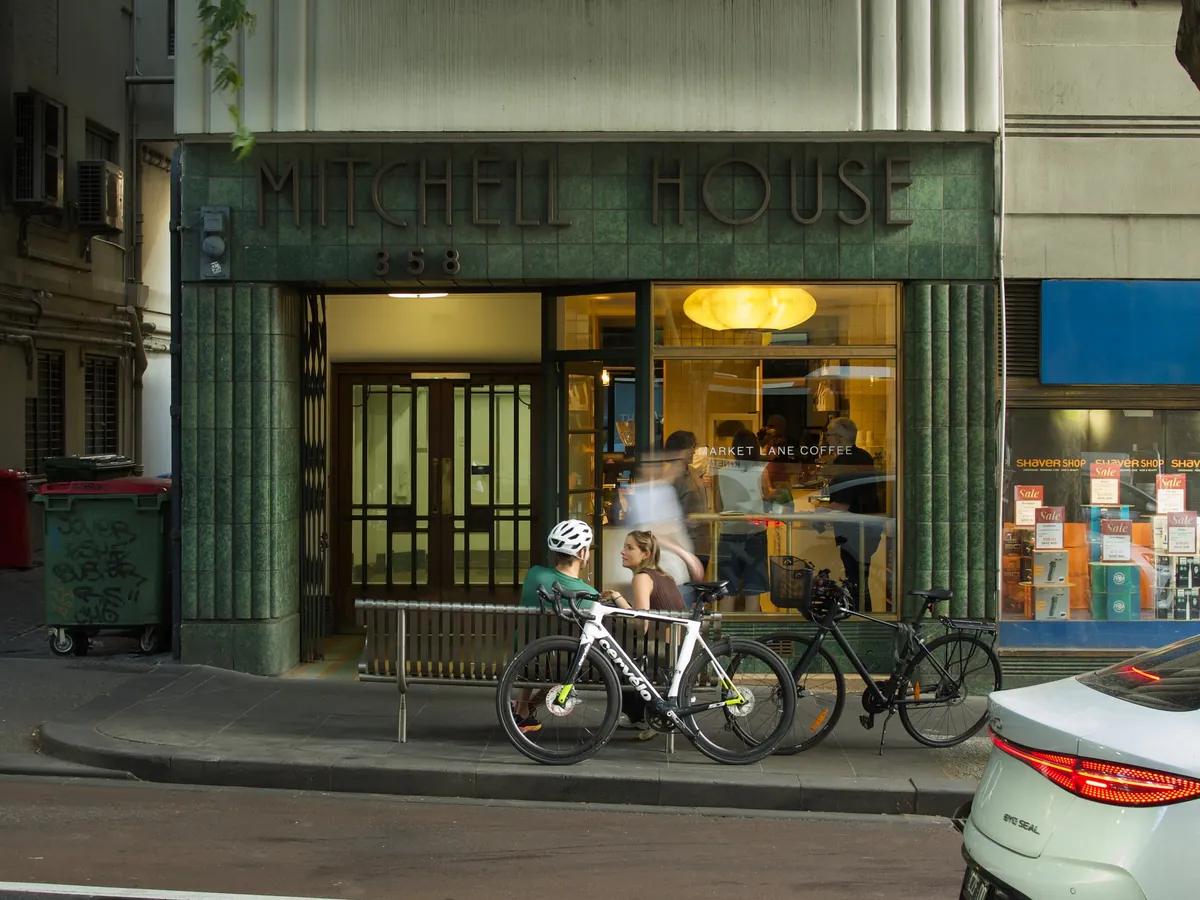
Market Lane opened its first shop in 2009 at the entrance to the Prahran Market and has roasted in Melbourne, or Naarm as its website says, ever since, now on a 45 kg Probat at its Brunswick East roastery. The stated purpose is sourcing, roasting and sharing exceptional coffee in a sustainable, respectful and responsible way, and the company recertified as a B Corp in 2026. Co-owners Fleur, Jenni and Jason run eleven shops: Prahran Market, Carlton, two in the CBD including Mitchell House, the Queen Victoria Market, Brunswick, South Melbourne and, since July 2026, Fitzroy North. Espresso and filter single origins and a seasonal blend sit on every bar.
Seven Seeds, Carlton, and Brother Baba Budan
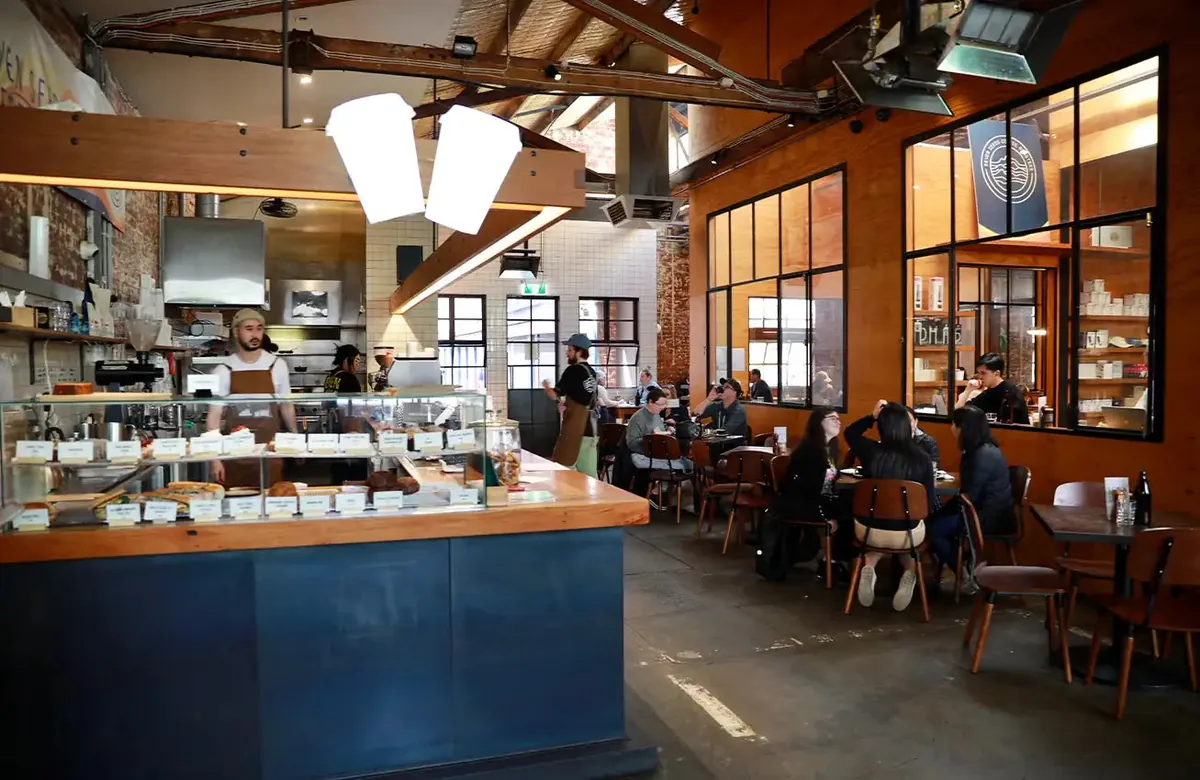
Transparent, exceptional, honest: Seven Seeds was established in 2007 and publishes the farmgate price it pays each producer. The Carlton café is a converted warehouse with around a hundred seats, an all-day menu and no bookings. Brother Baba Budan is the company’s small city bar, an OG of the Melbourne scene in its own words, with toasties and a rotating cake list. The roastery and head office are in Fairfield beside the company’s Suburbia Bakery.
Patricia Coffee Brewers, the CBD
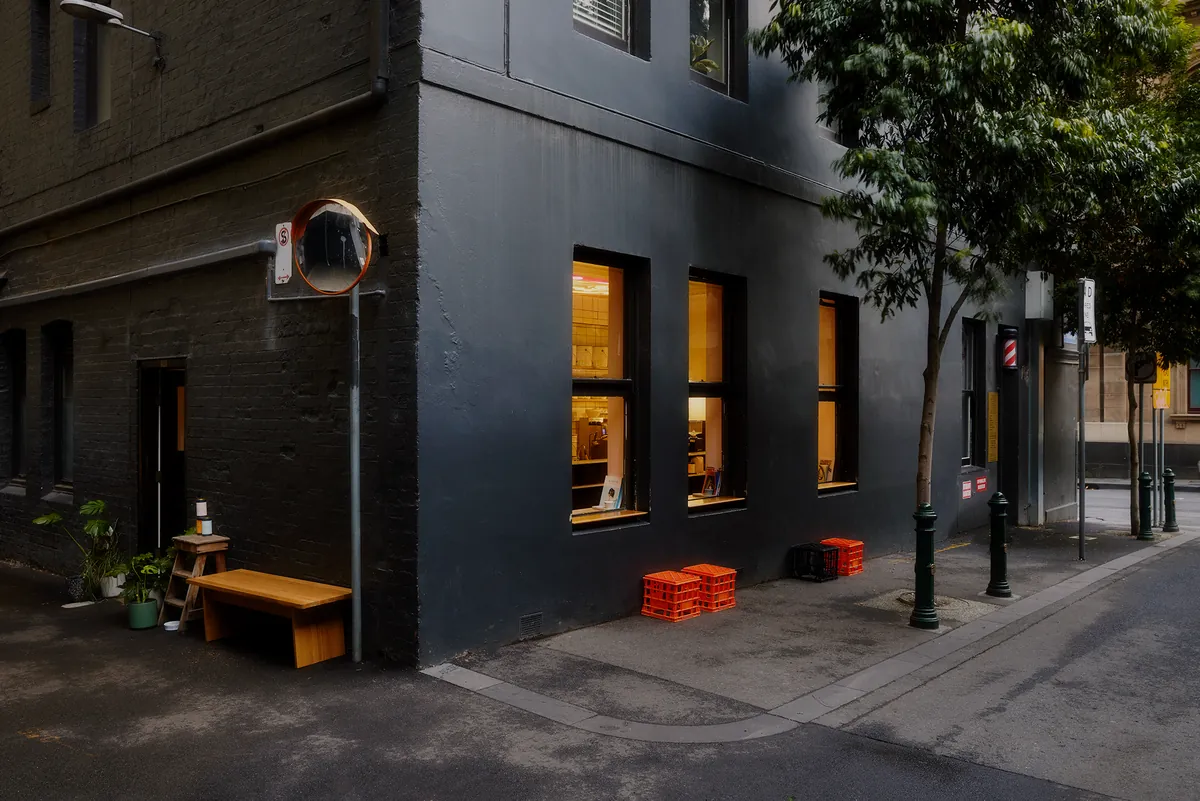
Bowen Holden and Pip Heath, best mates according to their website, opened Patricia in 2011 at the rear of a CBD building and have served the city’s lawyers and office workers with coffee and genuine service ever since. A second CBD bar followed. Patricia stocked other Melbourne roasters at first, began roasting its own coffee at a shared facility in 2016, and since April 2024 roasts everything at its own roastery in Coburg North. Pastries come from a roll-call of local bakeries, from Wild Life to Mörk and Little Bertha.
Proud Mary and Aunty Peg’s, Collingwood
Nolan and Shari Hirte founded Proud Mary in 2009 and still run it as husband and wife. The café serves all-day breakfast and lunch with table service, under the belief that no one should have to choose between good coffee and good food. Around the corner, Aunty Peg’s is the roaster’s cellar door: beans, brewing kit, brew lessons and a tour of the working roastery. The coffee is sourced directly from origin and ranges from Mild to Wild.
Industry Beans, Fitzroy, the CBD and Chadstone
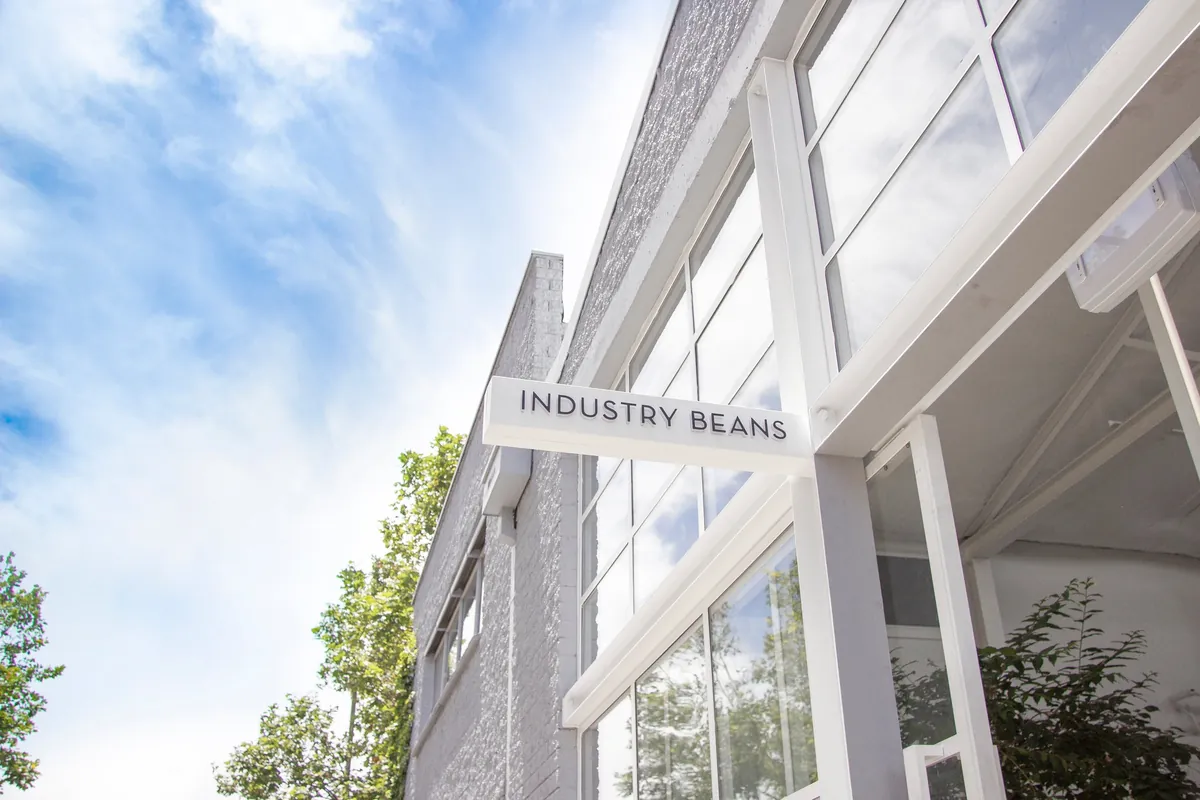
Brothers Trevor and Steve Simmons have roasted since 2010 and opened the original Industry Beans in Fitzroy in 2013. The Fitzroy café and roastery is the largest site, where the roastery sits alongside a café, coffee bar, retail shop and training room, with a seasonal brunch menu and an expansive coffee list. A CBD coffee shop and a café at Chadstone that roasts on site complete the Melbourne set. Every coffee, the company says, is batch roasted to its own profile.
Axil Coffee, Hawthorn and across the city
Dave Makin and Zoe Delaney started with one café in Hawthorn and built Axil into a roaster with sixteen Melbourne sites and a trophy cabinet that includes two World Barista Championship wins and seven Australian titles across the team. The coffee is roasted and packed at the Hawthorn roastery, cupped daily, and there are two Hawthorn cafés. The line on the website is Melbourne Made, Always Independent, and the training school runs from Barista Standards to a Farm To Cup course.
Code Black Coffee, Brunswick and the CBD
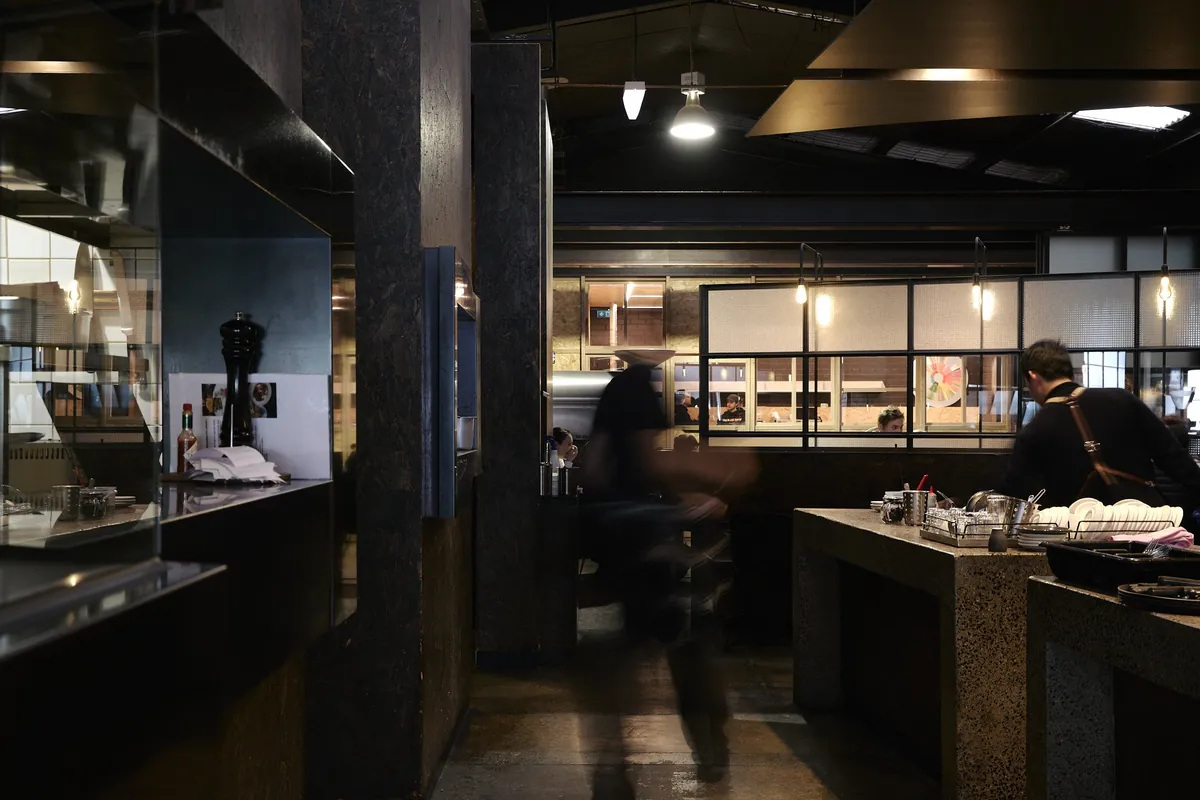
Code Black was established in 2012 in Brunswick, and its headquarters there is still roastery, café and retail in one, with a cupping room and a Rare Series of limited lots. A city café, a new Cremorne site opened in July 2026, South Melbourne and a training facility in North Melbourne round out the list. The slogan is Made for Humans.
Dukes Coffee, the CBD
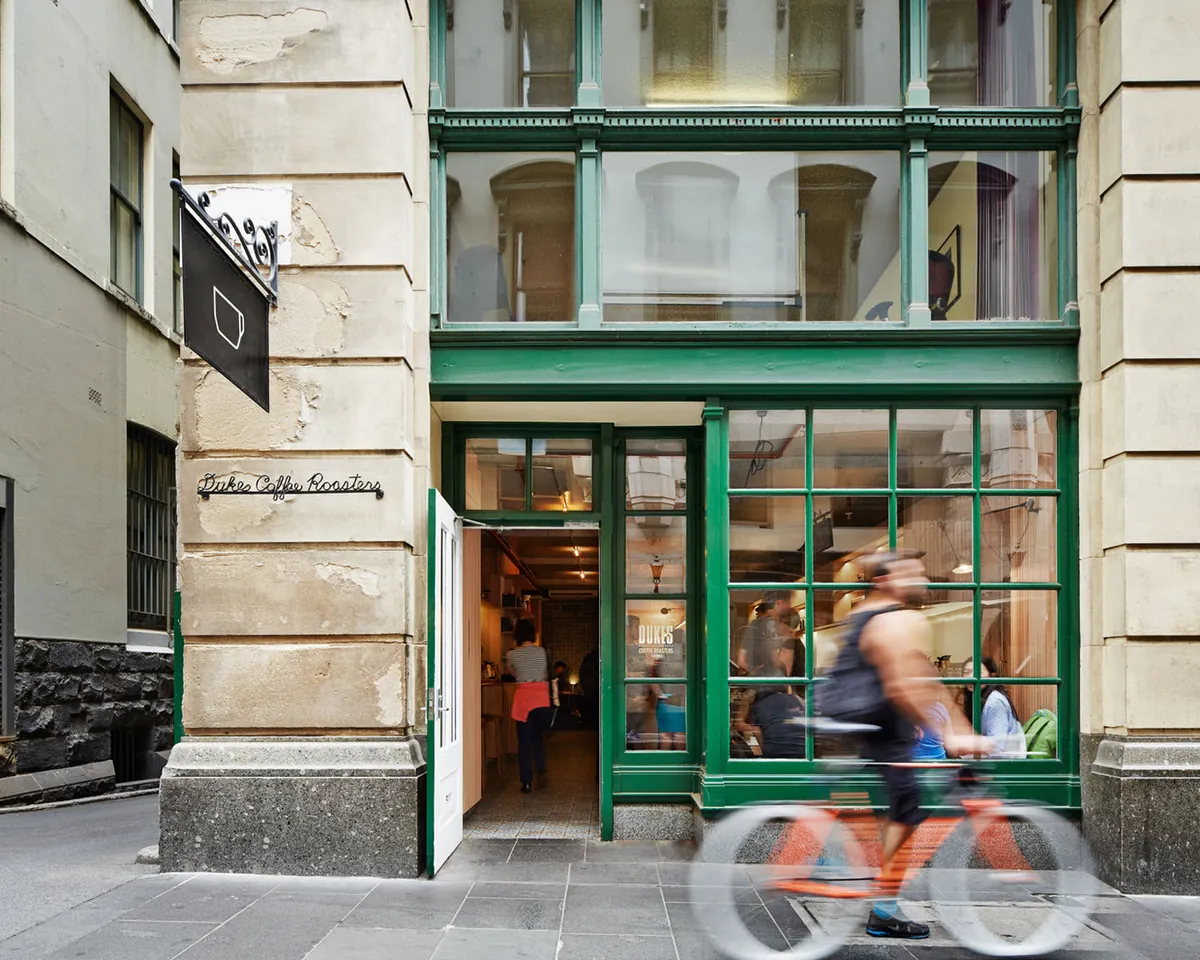
Dukes opened its first store in 2008 and has since narrowed its focus to one thing: coffee that is certified organic or Regenerative Organic Certified, which it says makes it the only Australian subscription roaster working exclusively with those grades. The store at Ross House in the CBD brews only organic coffees.
More roasters worth the trip
ST. ALi has roasted in South Melbourne since 2005 and is wholly owned by its employees, with a café there and a roastery café in Port Melbourne. Everyday Coffee roasts in Collingwood, beside a café, with a second bar in the CBD. Padre Coffee was born in 2008 in Brunswick East and keeps a stall at the South Melbourne Market. Wide Open Road roasts on site in Brunswick and serves a produce-driven brunch. Maker Coffee, opened by John and Stephanie Vroom in Richmond in 2015, roasts on a vintage Probat and has four shops from South Yarra to the CBD.
What you need to know about Melbourne specialty coffee
What is the famous coffee in Melbourne? The flat white, and the magic, a double ristretto with silky milk in a small cup.
Which cafés are known for expert roasting? Nearly all of them. Market Lane, Seven Seeds, Patricia, Proud Mary, Industry Beans, Axil, Code Black, Dukes, ST. ALi, Everyday, Padre, Wide Open Road and Maker all roast their own coffee.
Where should a CBD coffee walk start? Patricia’s laneway bars, Brother Baba Budan, Market Lane at Mitchell House, Dukes at Ross House and Industry Beans’ city shop are all within a ten-minute walk of each other.
Where do the roasteries welcome visitors? Aunty Peg’s in Collingwood, Code Black in Brunswick, Industry Beans in Fitzroy and Wide Open Road all put the roaster in the room. Market Lane’s and Patricia’s roasteries are not open to the public.
Photo credits
Photographs belong to the businesses and are reproduced from their official websites with attribution.