Coffee roasts are sold as light, medium or dark, and trade names such as cinnamon, city, full city, Vienna, French and Italian mark points along that scale from lightest to darkest1. None of the names is standardised, so some roasters sell a light roast that’s darker than another roaster’s dark2.
The types of coffee roasts
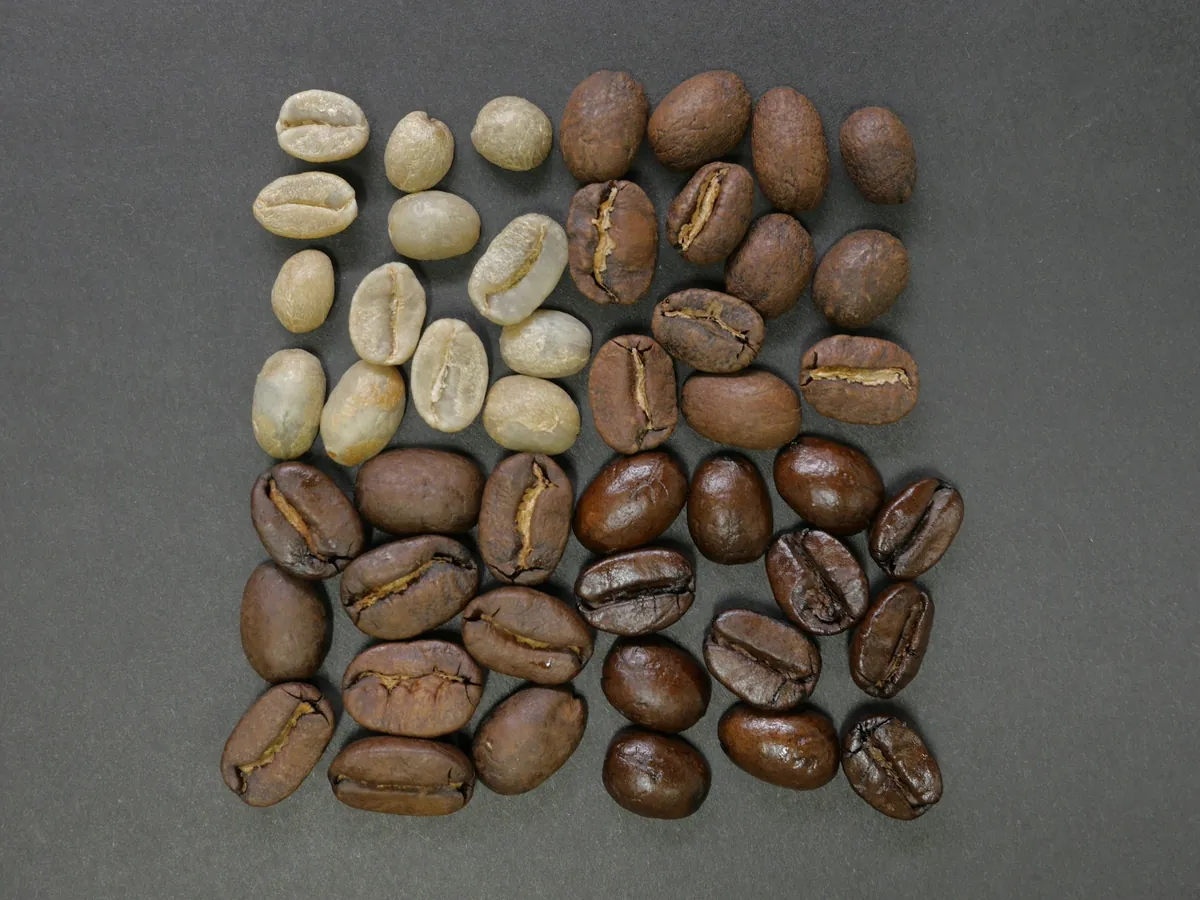
The clearest markers of how far a roast has gone are two sounds the beans make, which roasters call first crack and second crack3. Light roasts stop around the beginning of first crack, medium roasts are taken through it and dark roasts go up to and through second crack4. Colour is the other measure, which an Agtron analyser reads as a number from 100 for a very light roast down to 20 for a very dark one2. Each trade name corresponds to a colour band and a range of Agtron numbers5.
| Trade name | Roast level5 | Where the roast stops43 | Agtron5 |
|---|---|---|---|
| Cinnamon | Light | Around the beginning of first crack | 80 to 70 |
| City | Medium | After first crack, before second crack | 70 to 50 |
| Full city | Medium-dark | Just before second crack, or as it begins | 50 to 40 |
| Vienna | Medium-dark | From the beginning to the middle of second crack | 50 to 40 |
| French | Dark | Well beyond second crack | 40 to 35 |
| Italian | Dark to very dark | Darker than French | 40 to 30 |
The names overlap at the dark end, where Italian spans two colour bands and dark French the two darkest, down to an Agtron reading of 255. A Viennese roast “can mean almost anything depending on who is doing the roasting and labeling”6.
First crack and second crack
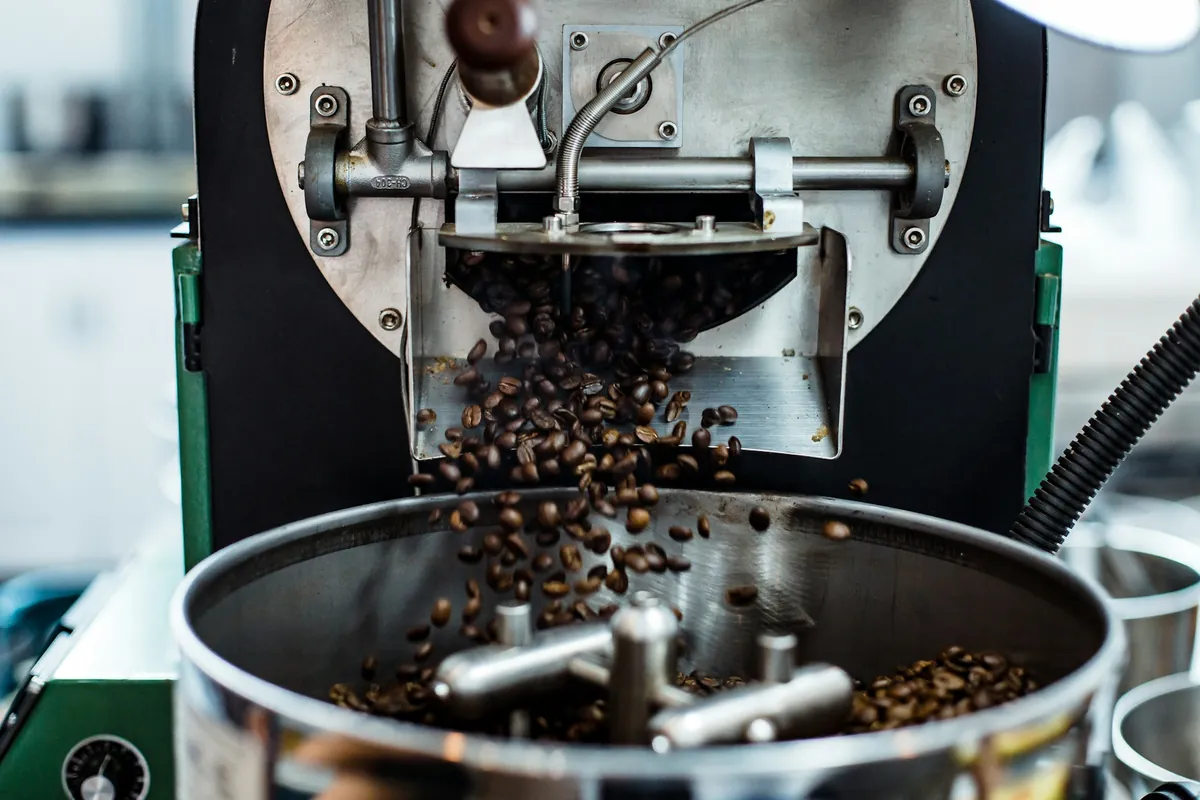
First crack is a popping noise that comes at around 205°C (401°F)4. It’s caused by the water in the bean turning to steam, which builds up pressure until the bean’s structure breaks open7. Second crack follows at around 230°C (446°F)4, when the carbon dioxide trapped in the bean’s cells reaches a high enough pressure to burst them7. It also opens tiny channels to the surface of the bean, which is how oil reaches the outside of a dark roast8.
First crack sounds like corn popping, while second crack is more subdued and closer to paper being crinkled3. Researchers at the University of California, Davis found that beans were nearly the same colour every time they reached first crack, and again at second crack, whether the roast was fast or slow2.
Light roast coffee
A light roast is light brown with a matte surface, because it hasn’t been roasted long enough for oil to break through1. The lighter the roast, the more acidic the coffee1, and a light roast has a lighter body and floral and fruit notes4. A roast that’s too light can taste bready, woody or grain-like6.
What’s a blonde roast?
Blonde roast is another name for a cinnamon roast, the lightest of the popular roast names1. Cinnamon refers to the colour of the beans, not the spice, and blonde came into use because the word confused customers4.
Medium roast coffee: city and full city roast
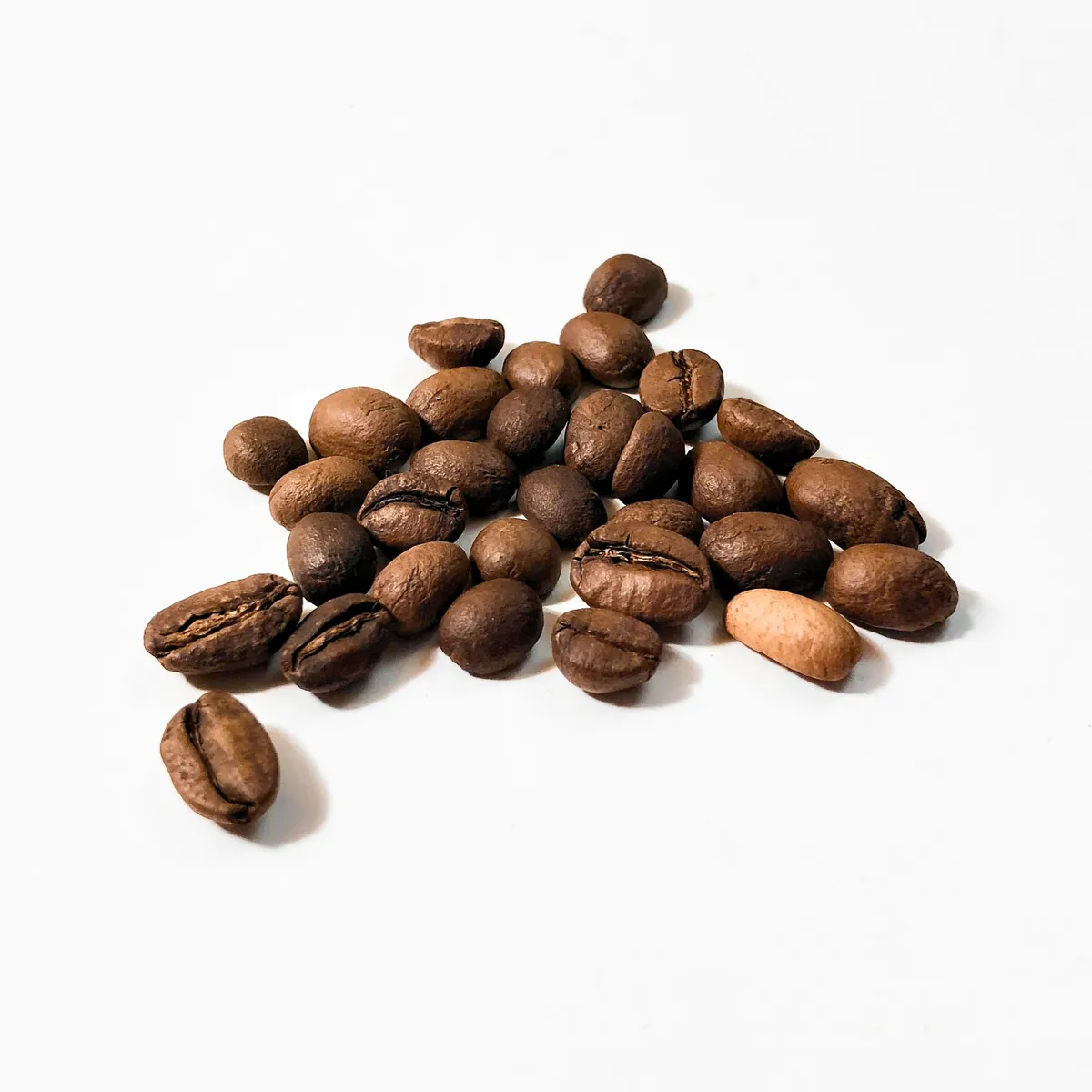
A medium roast is medium brown with a surface that isn’t oily1, and it’s been taken through first crack and given more time to develop4. That extra time caramelises more of the sugars, so the fruit flavours deepen and the coffee can turn chocolatey and nutty4. City, American, regular and breakfast are all names for a medium roast51.
A full city roast is a step darker, because it’s stopped when the beans have almost reached second crack4 or just as that crack begins3. By that point, tiny droplets or patches of oil can show on the beans5.
Dark roast coffee: French and Italian roast
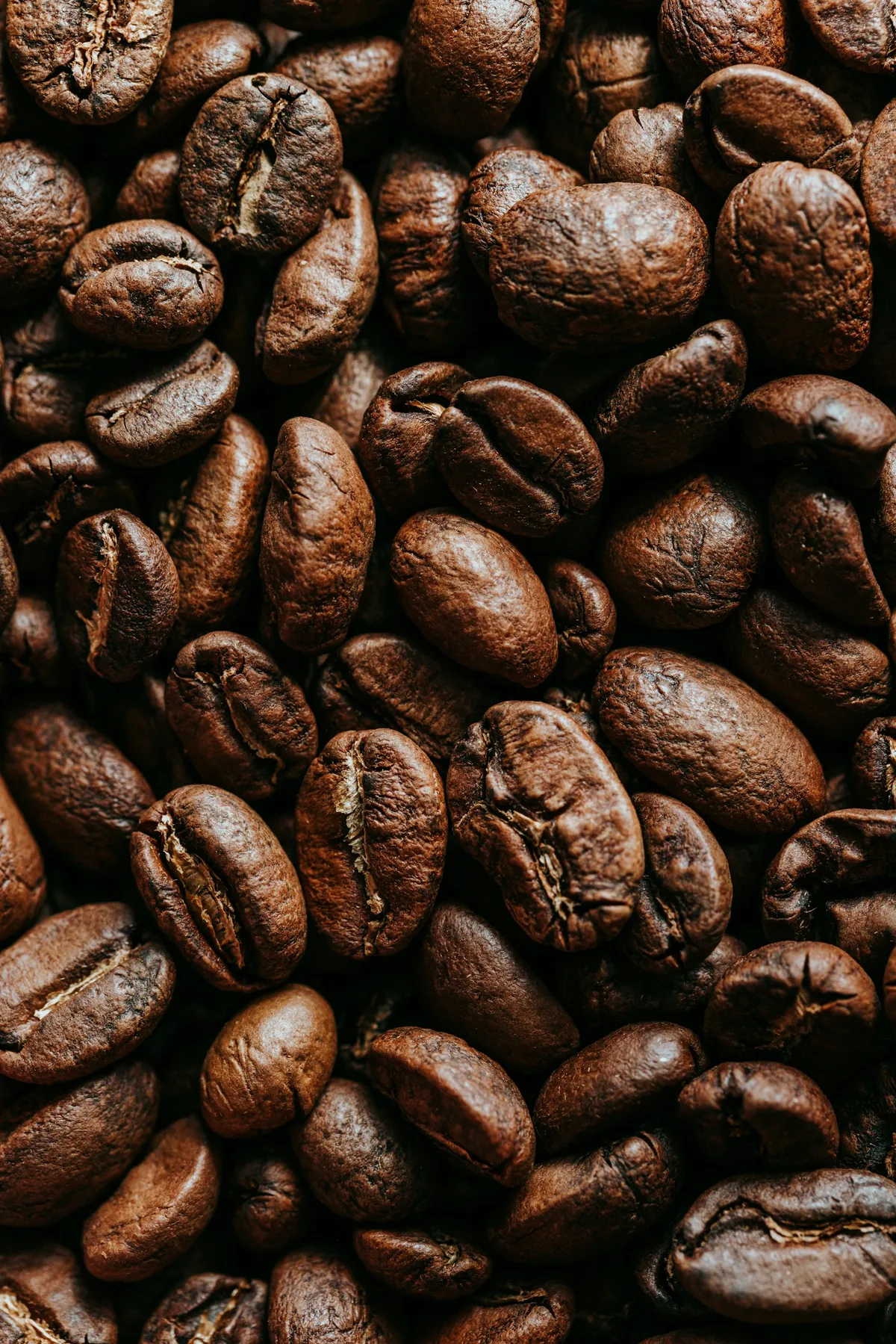
A dark roast has gone up to and through second crack4, which leaves beans with an oily surface and a pronounced bitterness1. French roast and Italian roast are both names for a dark roast, and they’re often used interchangeably1. A French roast has a shiny surface, bittersweet flavours and almost no acidity5.
Italian roast is the darker of the two4, though the norm for northern Italian-style espresso is lighter than either, in the medium-dark band5. In the very darkest roasts, burned and charred notes take over and the body turns thin5.
Light roast vs dark roast
Across eight tasting studies published together in 2020, the colour of a roast predicted its flavour better than the time it took, and darker roasts were more bitter and less acidic, fruity and sweet9. A darker roast holds more bitter-tasting melanoidins and bitter fragments of chlorogenic acids, and it has less sugar left9.
Roasters describe a lighter body in light roasts and a fuller one in dark roasts4, but in those studies neither phase of the roast, before or after first crack, had any effect on body9.
Darker roasts also break more easily in the grinder, so the same grind setting gives finer grounds8. Caffeine is heat-stable, which means roasting hardly changes how much of it a bean contains9.
Light vs medium roast
A medium-light roast has a bright, sweet acidity, and a medium roast has a balanced acidity and a fuller body6. The medium roast, as the more developed of the two, has caramel and brown sugar notes, and its acidity is closer to cooked fruit than fresh10.
Why specialty roasters roast lighter
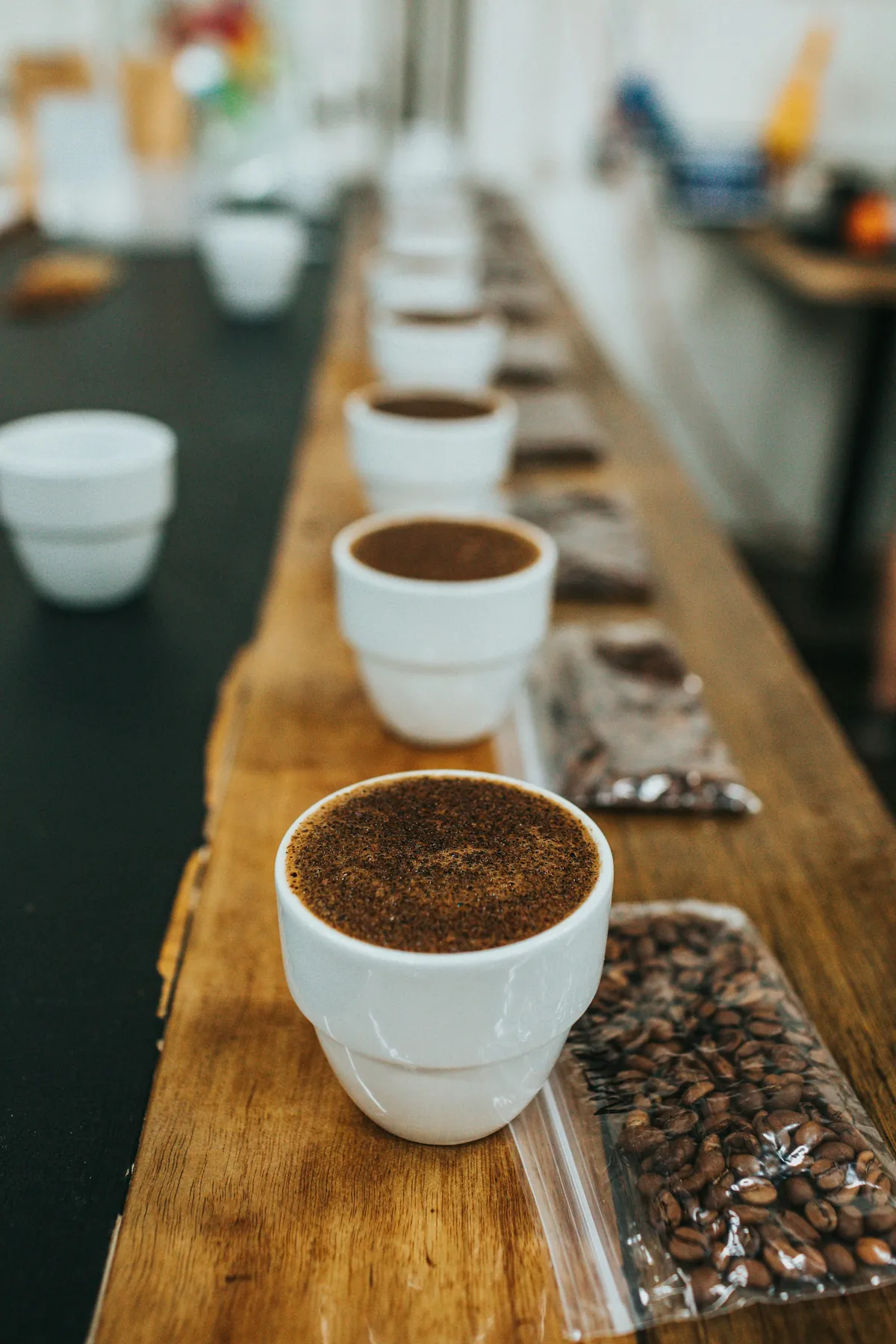
Specialty coffee’s preference for lighter roasts comes from wanting to show a coffee’s own flavour, because a more developed roast can mask its subtler notes and its acidity10. Very dark roasts tend to be bitter, with roasted flavours that obscure what the origin, the variety and the processing method gave the coffee4, so darker roasts taste more like each other11.
Darker roasts were more fashionable in the late 1990s, and medium-to-light roasts have since become the norm in specialty coffee6.
What’s a Nordic roast?
Nordic roast refers to the light roasting that Scandinavian roasters are known for12. In the late 1990s and early 2000s, many roasters in the region started buying more washed arabicas, including bright and acidic Kenyan coffees, and lighter roasting showed those coffees at their best10.
Klaus Thomsen, who co-founded a Copenhagen roastery, sums up the approach as “roasting as light as possible without underdeveloping the coffee”12. He isn’t fond of the term, because he sees “huge differences between Scandinavian roasters”12.
References
- National Coffee Association, roasts
- Specialty Coffee Association, what color is your coffee? (25, issue 21)
- Coffee Review, home coffee roasting: the listening-to-the-beans approach
- Perfect Daily Grind, light, cinnamon, city: what do coffee roast names really mean?
- Coffee Review, coffee roast styles: roast table
- Coffee Review, understanding roast definitions for coffee
- Barista Hustle, Strecker degradation in coffee roasting
- BeanScene, inside a coffee roast
- Münchow, Alstrup, Steen and Giacalone, roasting conditions and coffee flavor: a multi-study empirical investigation, Beverages (2020)
- Perfect Daily Grind, are medium roasts becoming more popular?
- Perfect Daily Grind, darker roast profiles might mean losing terroir, but roasters need to give consumers what they want
- Perfect Daily Grind, are Nordic specialty coffee roasters still as innovative as they once were?
Photo credits
- nousnou iwasaki, Unsplash License
- Gregory Hayes, Unsplash License
- Phil Desforges, Unsplash License
- Nathan Dumlao, Unsplash License
- Nathan Dumlao, Unsplash License