Arabica is a tropical plant that grows best at an average of 18 to 21°C1, and it doesn’t tolerate frost, so it can’t grow outdoors in Denmark. Danes drink 3.4 cups of coffee a day2, and a small amount of it is now grown there in a greenhouse.
A coffee farm under glass
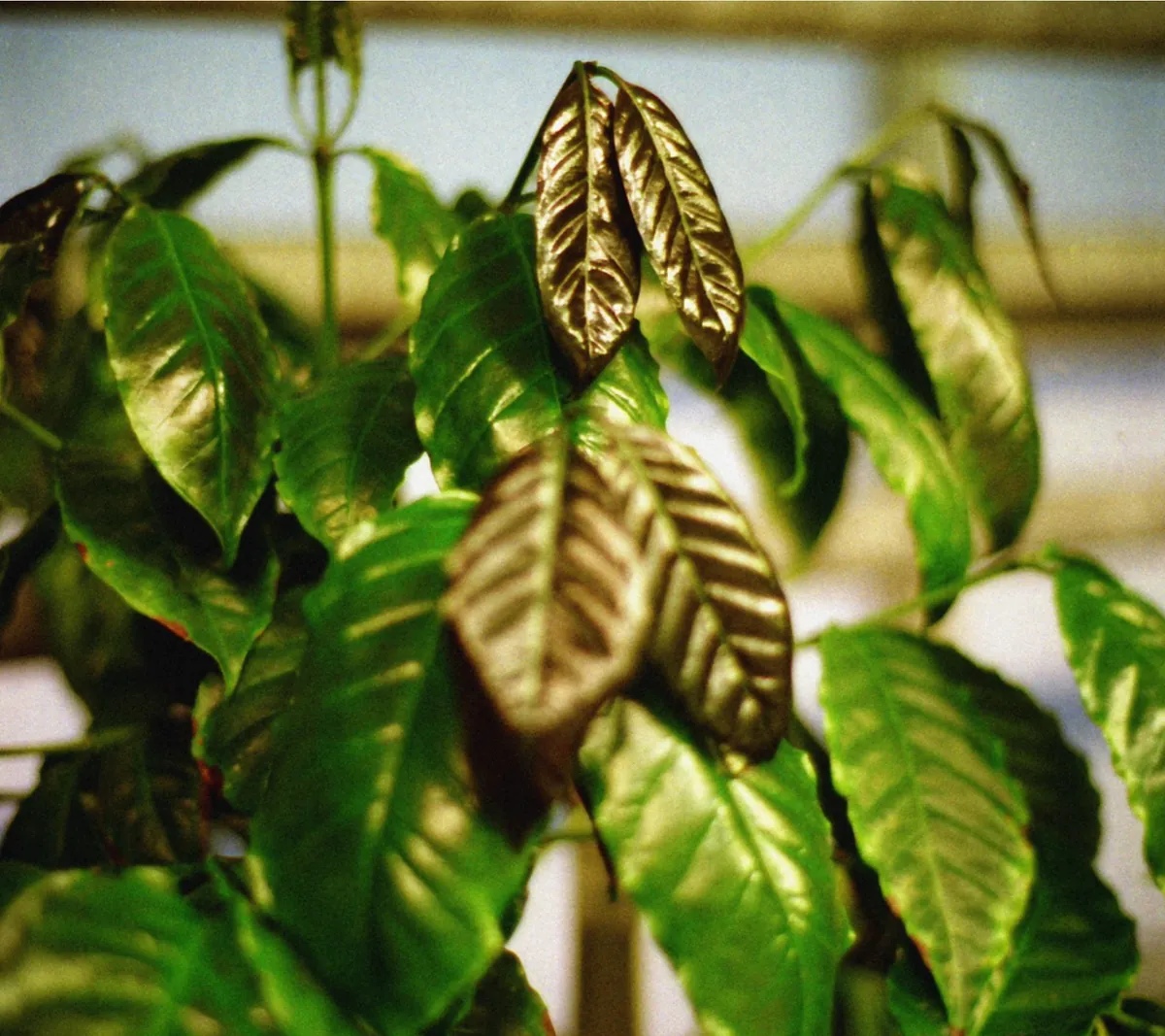
POMA Coffee Research is a Copenhagen company that researches, grows and roasts coffee. Its research station is a climate-controlled greenhouse on the island of Funen. Bourbon, Typica, Pacamara, Caturra, Catuaí, SL28, Geisha and Ethiopian landraces all grow there3.
The trees get 22°C by day, 16°C by night and 12 hours of LED light. They grow in peat, fed by a drip system, at a “simulated altitude” of 1,800 metres above sea level4.
The coffee is picked, processed and roasted in Denmark, and the bag gives its origin as “Poma Research Station, Denmark”4.
A fruit scientist and a World Barista Championship finalist
Rasmus Madsen trained in agronomy and pomology, the science of growing fruit. Outside coffee, he’s interested in growing apples and pears5. Coffee was his hobby, and he began growing it in a controlled environment as a small research project6.
It became a company when Kapo Chiu moved to Copenhagen. Chiu, an owner of The Cupping Room in Hong Kong6, finished second at the 2014 World Barista Championship7. Henrik Ellersgaard is the third co-founder6.
Every box is an experiment
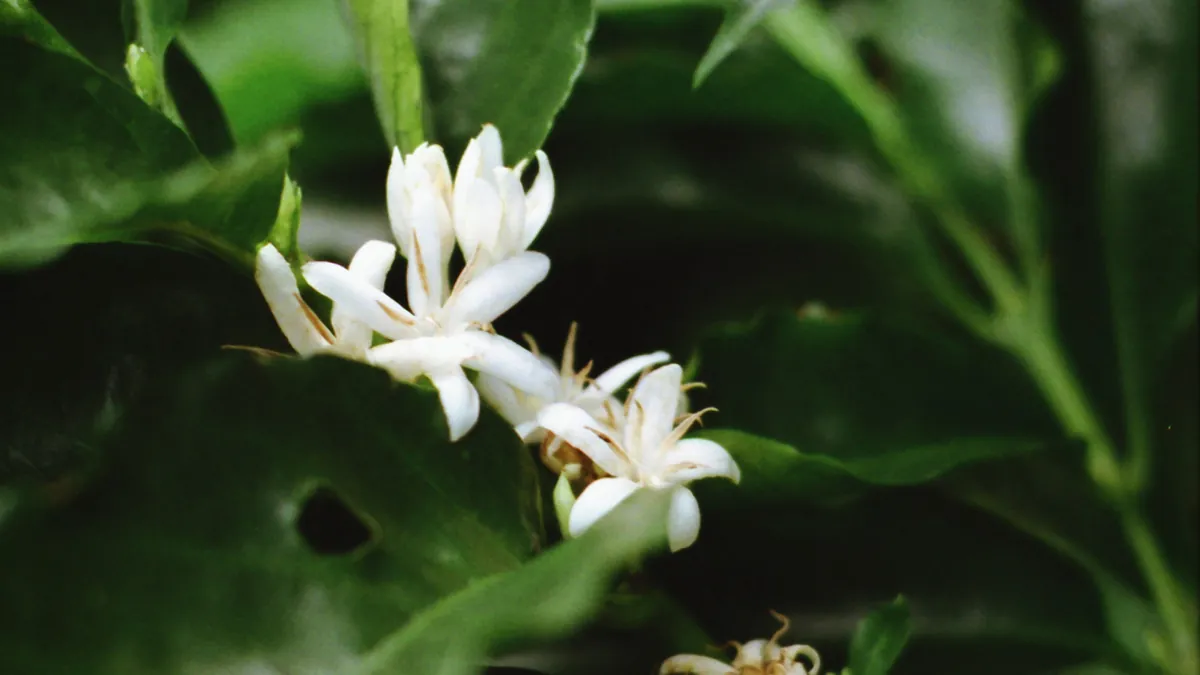
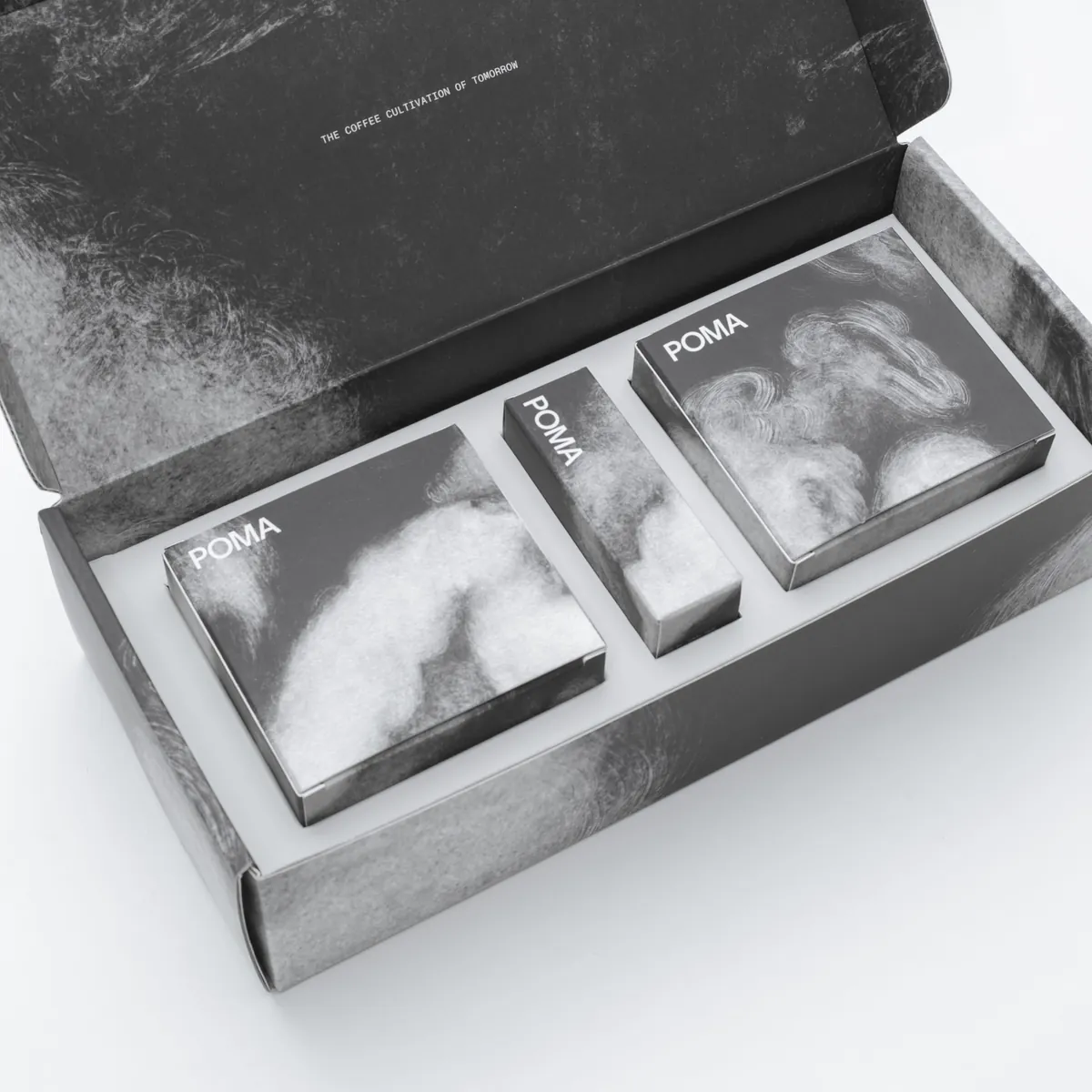
POMA has sold its Danish coffee as experiment boxes, and all four have sold out. Each box held two 150 g bags of the same variety, grown side by side with one thing changed4.
- Pollination. SL28 flowers pollinated by hand with Geisha pollen, against SL28 flowers pollinated with SL28 pollen. POMA scored the Geisha-pollinated cup 87 and the control 868.
- Pigmentation. Red Caturra against Orange Caturra. POMA’s notes for the red are red fruits and caramel, and for the orange mango, apricot and honey9.
- Humidity. Milenio trees in two chambers, one held at 60% relative humidity and one at 80%10.
- Pruning. Rume Sudan trees pruned the traditional way, against trees shaped for six years by POMA’s own pruning system4.
And they’re good at it
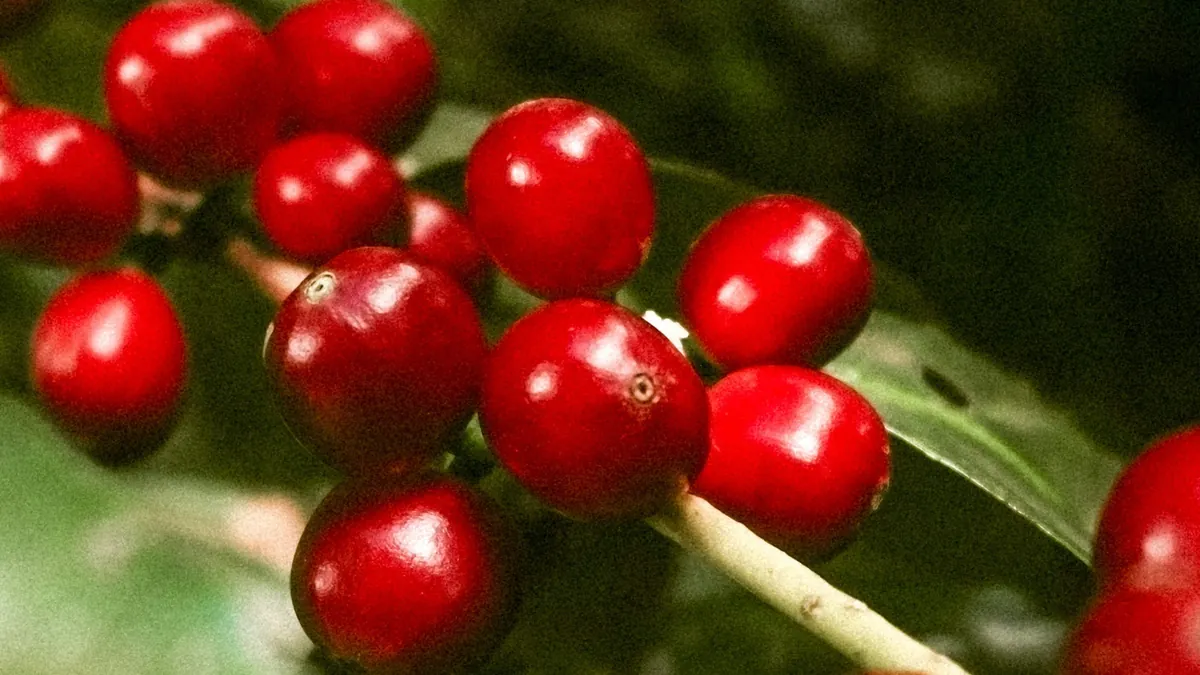
Madsen won the 2024 Danish Brewers Cup11 brewing a variety grown in the POMA greenhouse12. He’s represented Denmark at the World Brewers Cup three times, in 2022, 2024 and 20265.
POMA also has its own way of processing the fruit, called Cold Washed. The cherries rest for 48 hours at 8°C. They’re then depulped, washed clean of their mucilage and dried below 10°C in a rotating tumble dryer. No yeast or bacteria are added, and there’s no active fermentation13.
Why grow coffee in Denmark
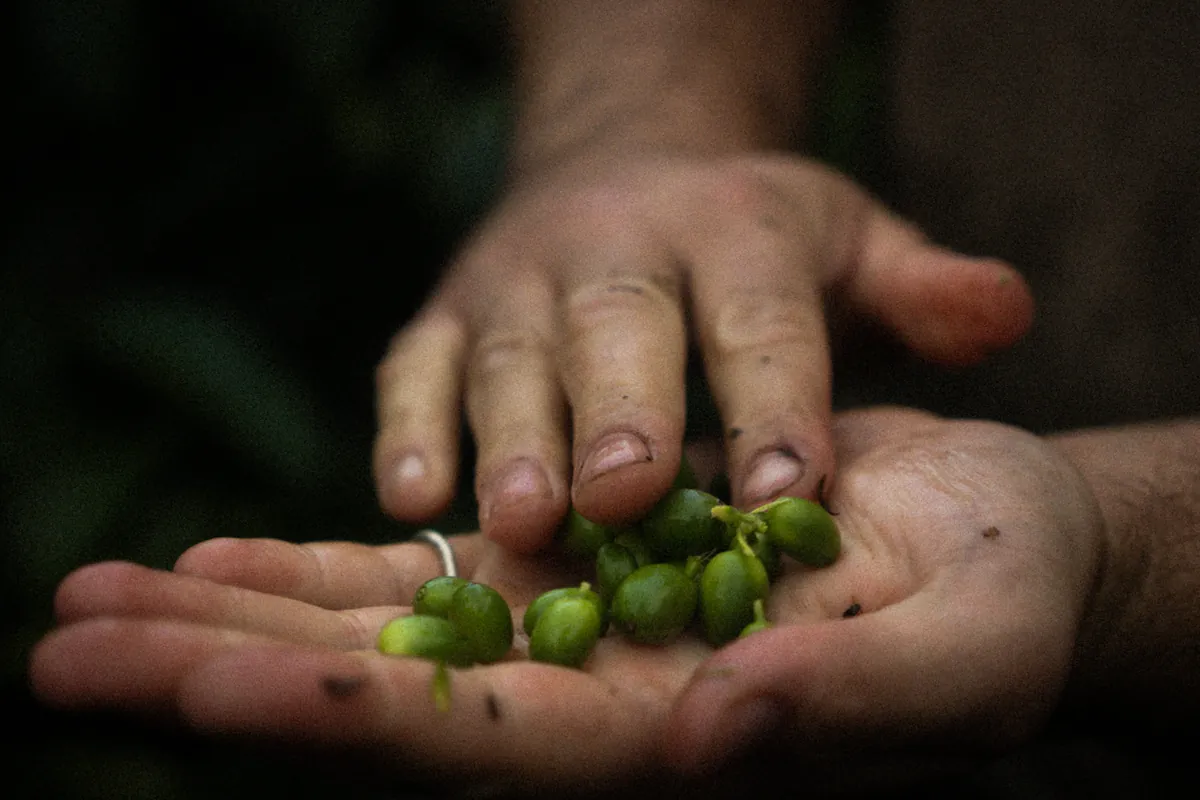
The greenhouse is there to answer questions for POMA’s partner farms, which grow most of what it roasts14, in Costa Rica and Colombia among other countries6.
Half of the land that suits arabica today is projected to be unsuitable by 205015. A greenhouse can be set to a future climate, and the trees tested in it now. “Instead of waiting 30 or 40 years for field trials, we can simulate multiple growing environments and offer recommendations upfront”, Madsen told Barista Magazine12.
It still takes 8 to 12 years to get from the first experiment to a technique a grower can use3. POMA reports 34 active trials and 12 partner farms across 11 countries16, and makes its findings available to growers everywhere3.
Where to drink POMA
In Copenhagen, POMA’s coffees are served at Darcy’s Kaffe, Democratic Coffee and HART Bakery17, and Fresh Pots in Vesterbro uses POMA as its only roaster18. Outside Denmark, they’re served at Koffee Mameya in Tokyo, Hagen in London and A Sense of Place in Amsterdam17.
References
- World Coffee Research, coping with 32°C
- Science Museerne, Aarhus University, coffee (Coffea arabica)
- POMA Coffee Research, the Coffee Research Station
- POMA Coffee Research, Pruning Experiment, Cold Washed Rume Sudan
- World Coffee Championships, Rasmus Madsen, 2026 World Brewers Cup competitor
- Bean Bros, POMA, featured roaster in March 2025
- Sprudge, every World Barista Championship finalist
- POMA Coffee Research, Pollination Experiment
- POMA Coffee Research, Pigmentation Experiment, Caturra
- POMA Coffee Research, Humidity Experiment, Cold Washed Milenio
- SCA Denmark, introducing the new Danish coffee champions
- Barista Magazine, the role of greenhouse labs in advancing coffee cultivation and quality
- POMA Coffee Research, the Cold Washed process
- Sprudge, in Copenhagen, a new crop of coffee roasters
- World Coffee Research, pinpointing the world's most vulnerable coffee zones
- POMA Coffee Research, research
- POMA Coffee Research, about
- Sprudge, Fresh Pots in Copenhagen