A coffee bean is the seed of a fruit. Before anyone can roast it, somebody has to get the seed out of the fruit and dry it. That job is called processing, and the word for it is printed on most bags of specialty coffee: washed, natural, honey, anaerobic. The method changes how the coffee tastes.
What’s inside a coffee cherry
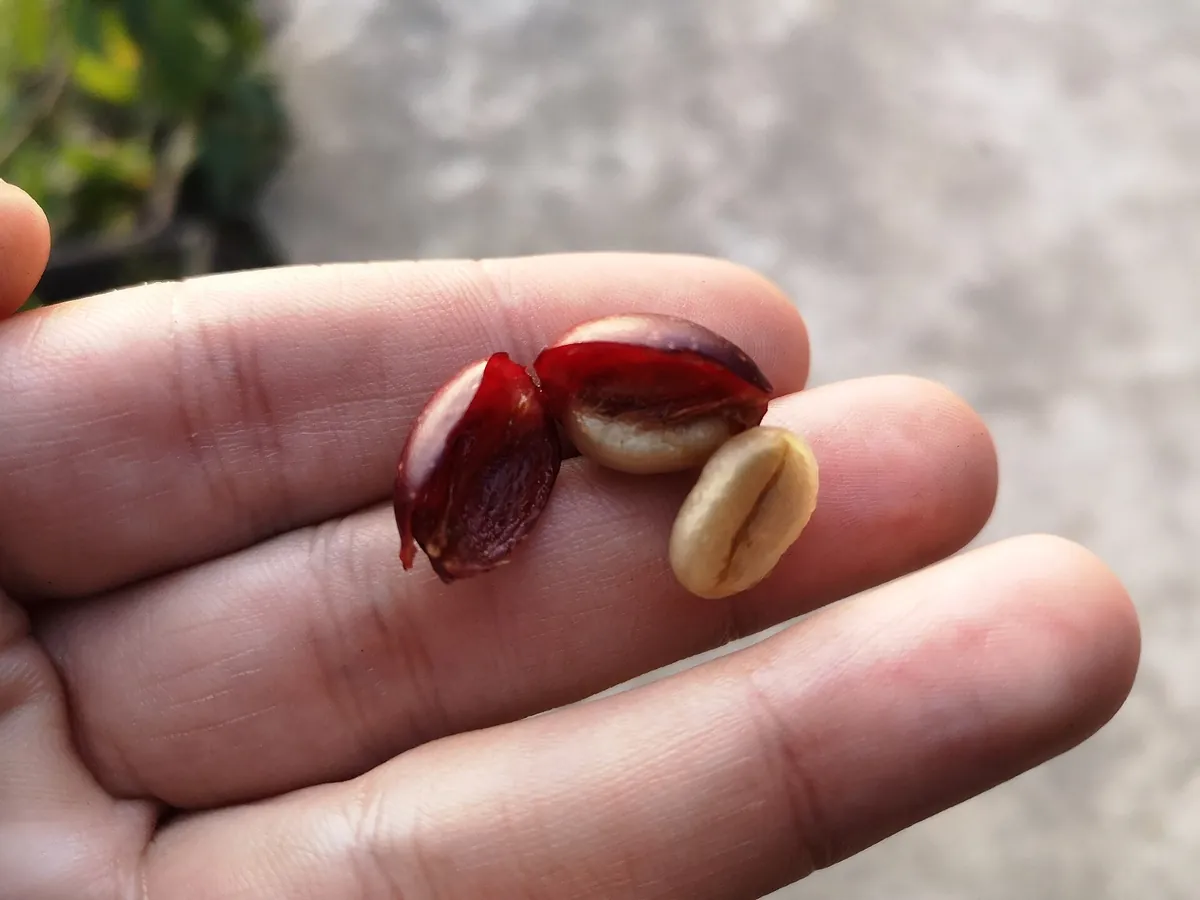
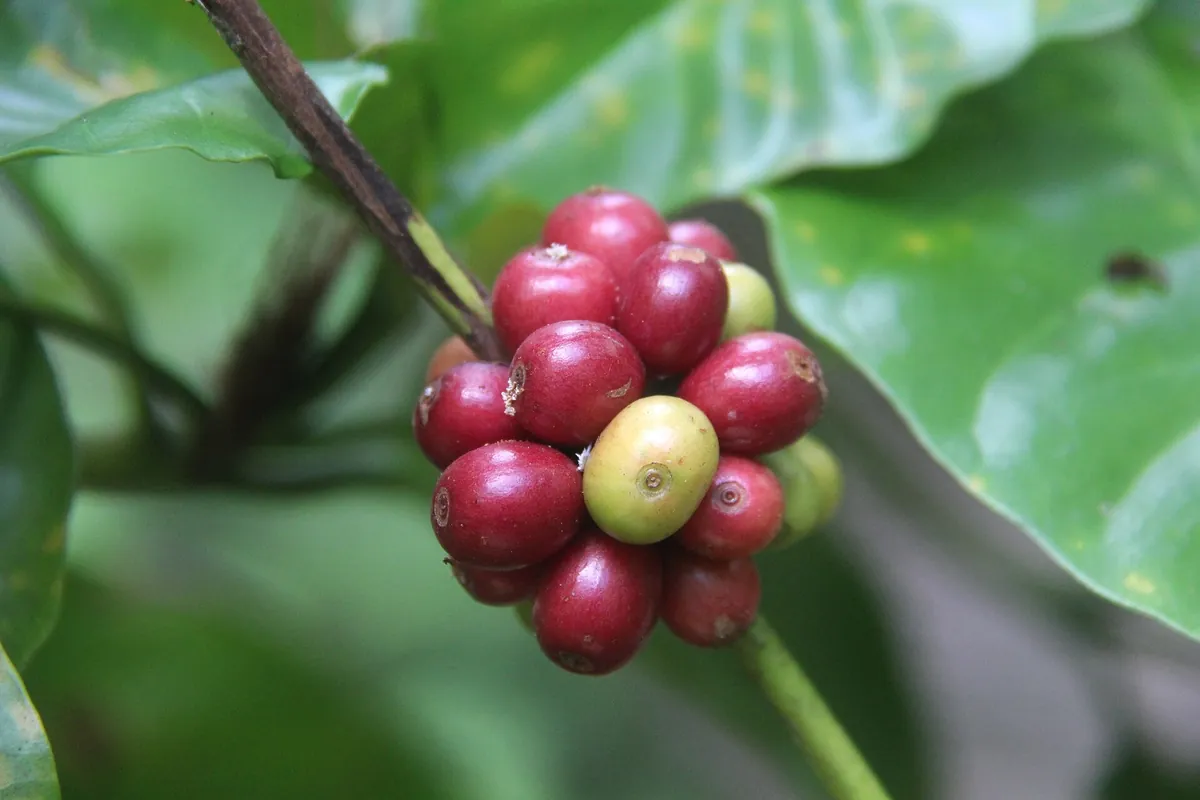
A coffee cherry has five layers. From the outside in, they’re the skin, the pulp with its sticky inner layer of mucilage, a papery hull called parchment, a thin silverskin and the seed1. Most cherries hold two seeds, and about one in twenty holds a single one, called a peaberry2.
The methods differ in how much of that fruit stays on the seed while it dries, and for how long.
The methods at a glance
| Method | What stays on the seed as it dries | Drying time | In the cup |
|---|---|---|---|
| Washed3 | Parchment only | 7 to 15 days | Clean, sweet, bright |
| Natural4 | The whole fruit | Up to 30 days | Fruity, heavy, sometimes boozy |
| Honey5 | Parchment and some or all of the mucilage | 18 to 25 days | Sweet, jammy, nutty |
| Pulped natural6 | Parchment and mucilage | 10 to 15 days | Creamy, nutty, chocolatey |
| Wet hulled7 | Nothing | 12 to 15 days | Earthy, savoury, heavy |
Washed
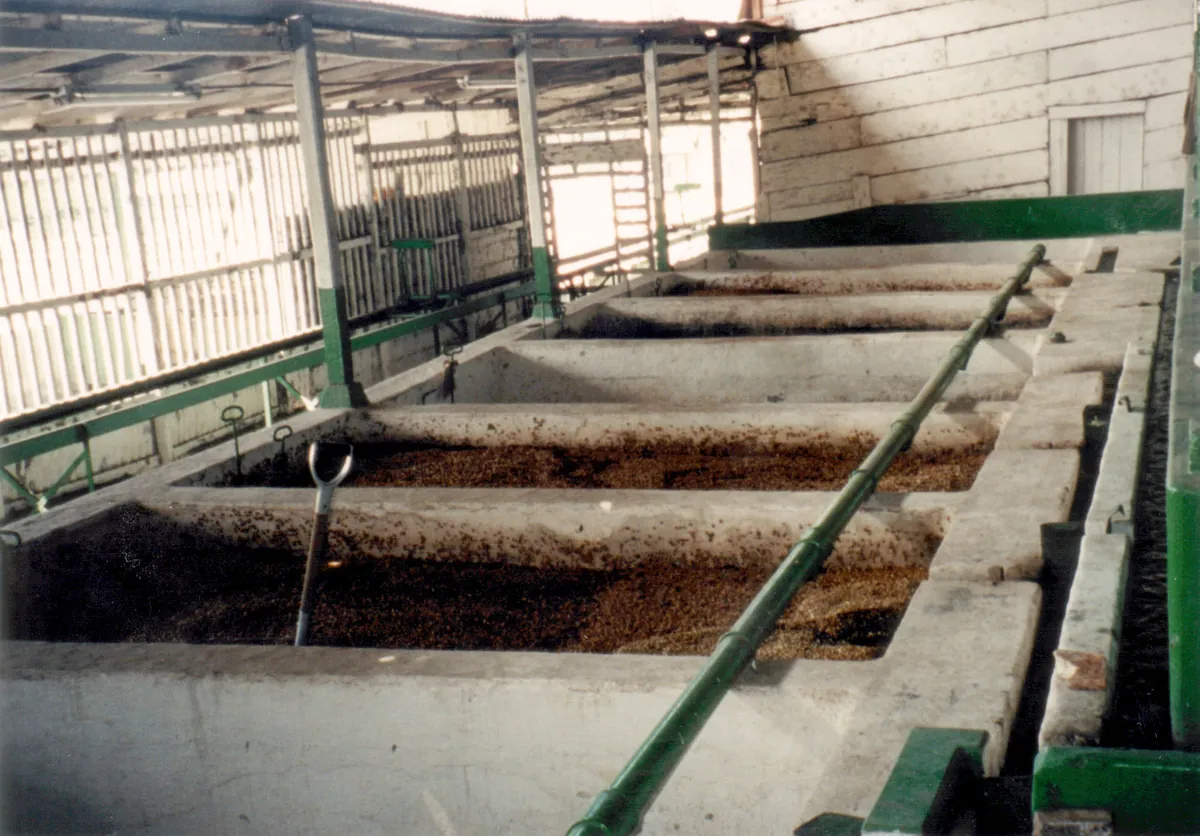
In a washed process, the skin and pulp are stripped off within 24 hours of picking. The seeds are still coated in mucilage, so they sit in a tank for 12 to 72 hours while fermentation loosens it. The mucilage is then washed off and the coffee is dried in its parchment3.
Washed is the main method for specialty coffee in most of Africa and Central and South America. It gives a clean cup with caramel sweetness and clear fruit acidity3.
In Kenya, the best lots are soaked under water for another 24 hours after fermenting and washing8.
The washed process uses a lot of water. A traditional wet mill in Colombia uses an average of 44 litres for every kilo of dried parchment coffee, while a machine that scrubs the mucilage off instead of fermenting it uses a litre or less9.
Natural
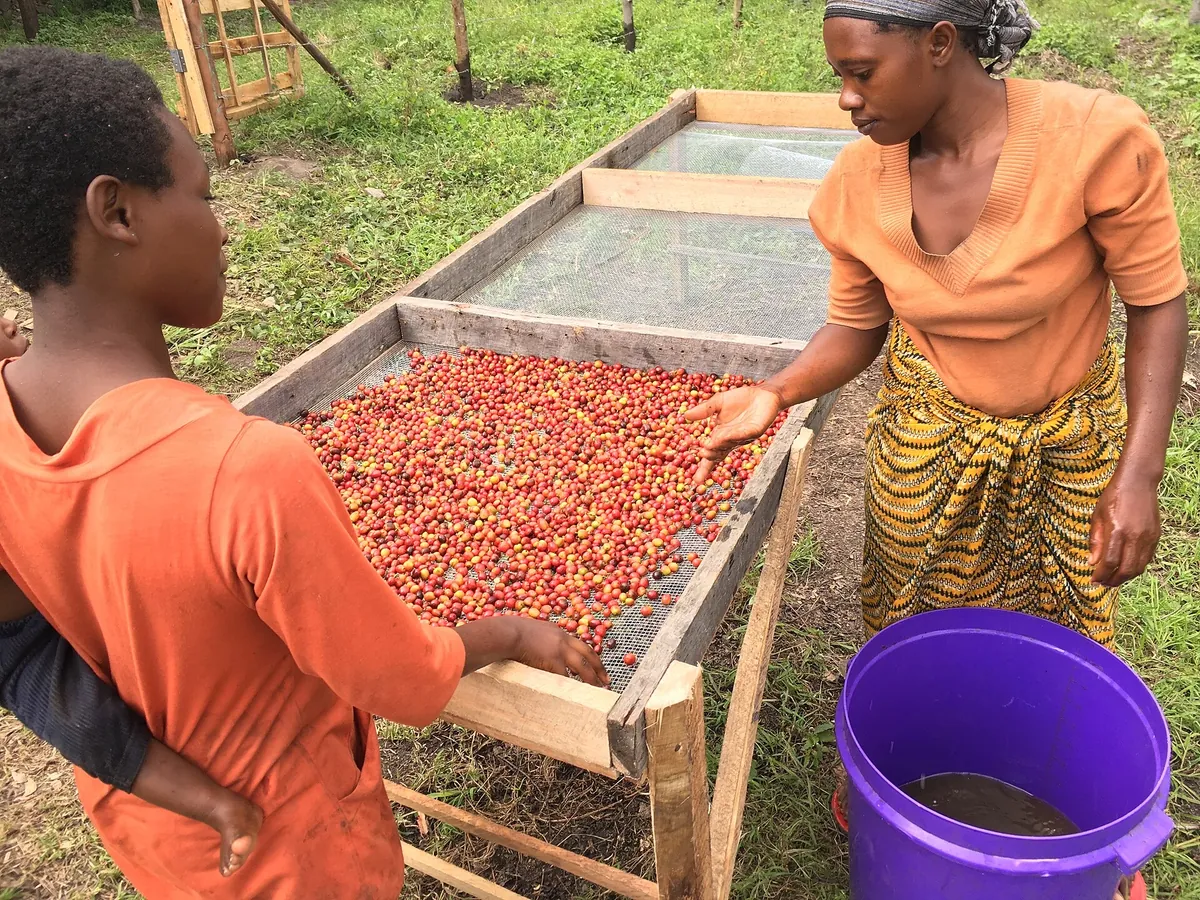
Natural processing is the oldest method. The cherries are picked and dried whole for up to 30 days, and the dried fruit is then hulled off the seed4.
It’s most common in Ethiopia, Yemen and Brazil, and it uses very little water1. It needs more space and more labour than washed coffee, because the cherries over-ferment if they aren’t turned often enough4.
Naturals are fruity or pulpy, sometimes “boozy” or “winey”, with a syrupy body4.
Honey
In a honey process, the skin comes off and some or all of the sticky mucilage stays on while the coffee dries5. The method comes from Costa Rica, and we explain it in What’s honey processing for coffee? Spoiler: it’s vegan.
Pulped natural
Pulped natural is the Brazilian method that honey processing was based on. The skin is removed, the mucilage is left on and the coffee dries on patios for 10 to 15 days. It was developed to dry coffee faster than a full natural, which lowers the risk of spoiling it6. Limited commercial volumes were first sold in 199310.
In Brazil it’s called cereja descascado, which means “peeled cherry”11. The cup has a creamy body, nuts and chocolate, and medium-low acidity6.
Wet hulled
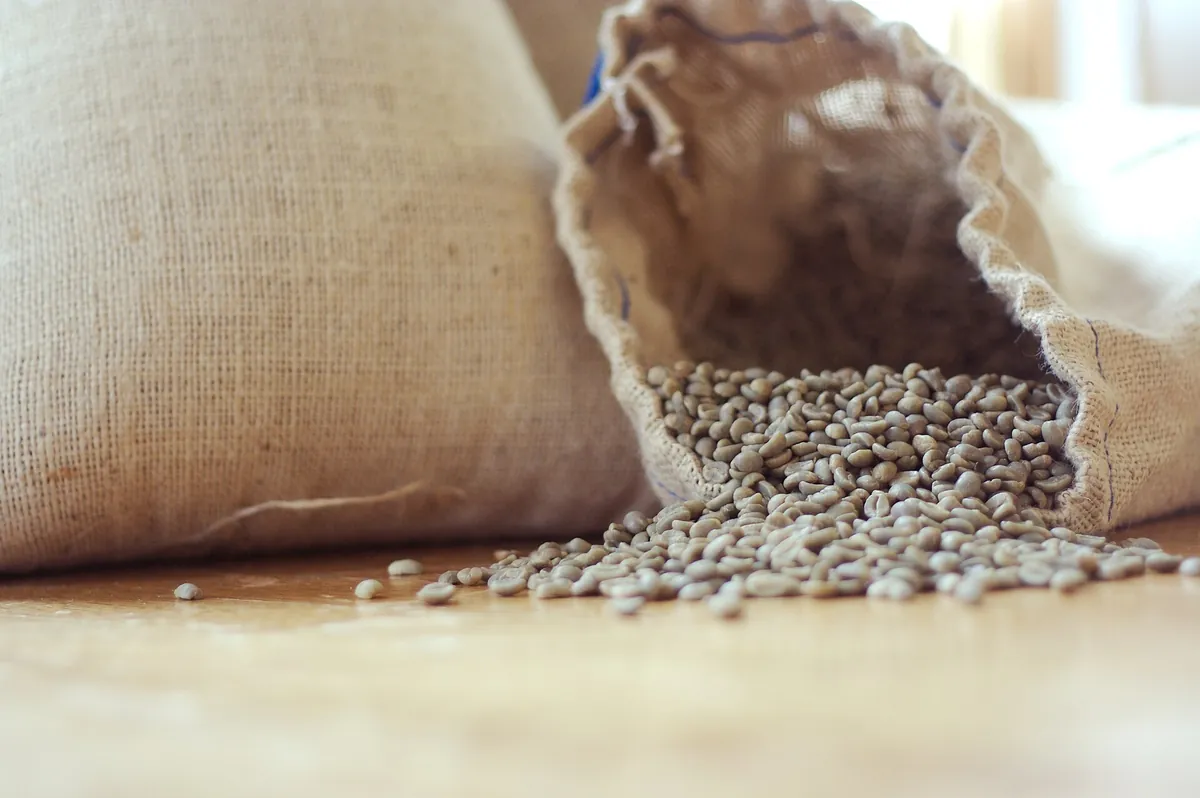
Wet hulling, or giling basah, is the method used in Sumatra. Farmers pulp the cherries and sell the parchment coffee while it’s still wet. The mill hulls it at 35 to 50% moisture, when the bean is soft, whereas most coffee is hulled at 10 to 12%. The bare green bean then dries in 12 to 15 days7.
The method exists because Sumatra is damp and cloudy, which makes other ways of drying coffee difficult, and a bare bean dries faster than one wrapped in parchment. The cup is earthy, savoury and herbal, with a heavy body and dark chocolate7.
Anaerobic and carbonic maceration
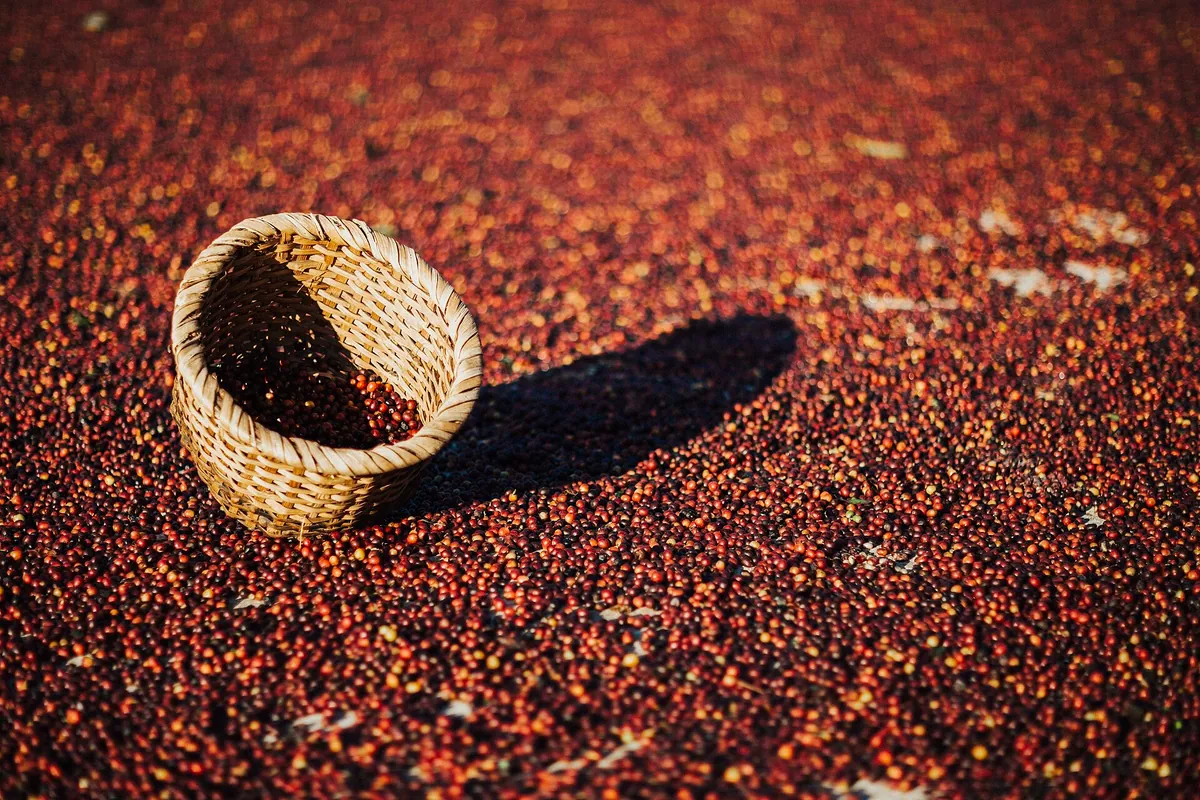
Anaerobic means the coffee ferments in a sealed tank, where a one-way valve lets the fermentation gases push the oxygen out. It’s an extra step that can come before a washed, natural or honey process, which is why bags say “anaerobic natural” or “anaerobic washed”. The cup is heavy and winey, with rum-and-raisin and tropical fruit notes12.
Carbonic maceration comes from winemaking. Whole cherries go into a sealed tank and carbon dioxide is pumped in13. The method became known in coffee in 201514, when Saša Šestić won the World Barista Championship with a carbonic maceration coffee from Colombia15.
Newer fermentation methods
- Lactic. The coffee is fermented with lactic acid bacteria, the kind found in yoghurt, pickles and kimchi, so it doesn’t contain milk. Roasters report a creamier mouthfeel16.
- Yeast inoculated. A known strain of yeast is added to control which microbes do the fermenting10.
- Koji. The mould behind sake, miso and soy sauce is dusted over the cherries, about 2 g per kilo, and left for 24 to 72 hours17. It reached the World Barista Championship in 202118.
- Thermal shock. In one recipe from Finca El Paraíso in Colombia, Diego Bermúdez ferments the coffee twice, rinses it with water at 40°C and then with water at 12°C19.
Co-fermented and infused
Some producers ferment coffee with other ingredients, such as fruit, hops or spices10.
Competitions don’t agree on whether to accept these coffees. The Cup of Excellence allows no additives other than water20. In 2024 the Best of Panama removed four coffees it found to be altered, and said infused coffees should compete in a category of their own21.
Decaf and monsooning aren’t processing methods
Decaffeination happens later, to green coffee that’s already been processed. The first method, invented in 1905, used benzene22. These are three you’ll see on specialty bags.
- Swiss Water uses only water, temperature and time23.
- Carbon dioxide under high pressure dissolves the caffeine22.
- Sugarcane decaf, from Colombia, washes the beans in ethyl acetate made from sugar cane until at least 97% of the caffeine is gone24.
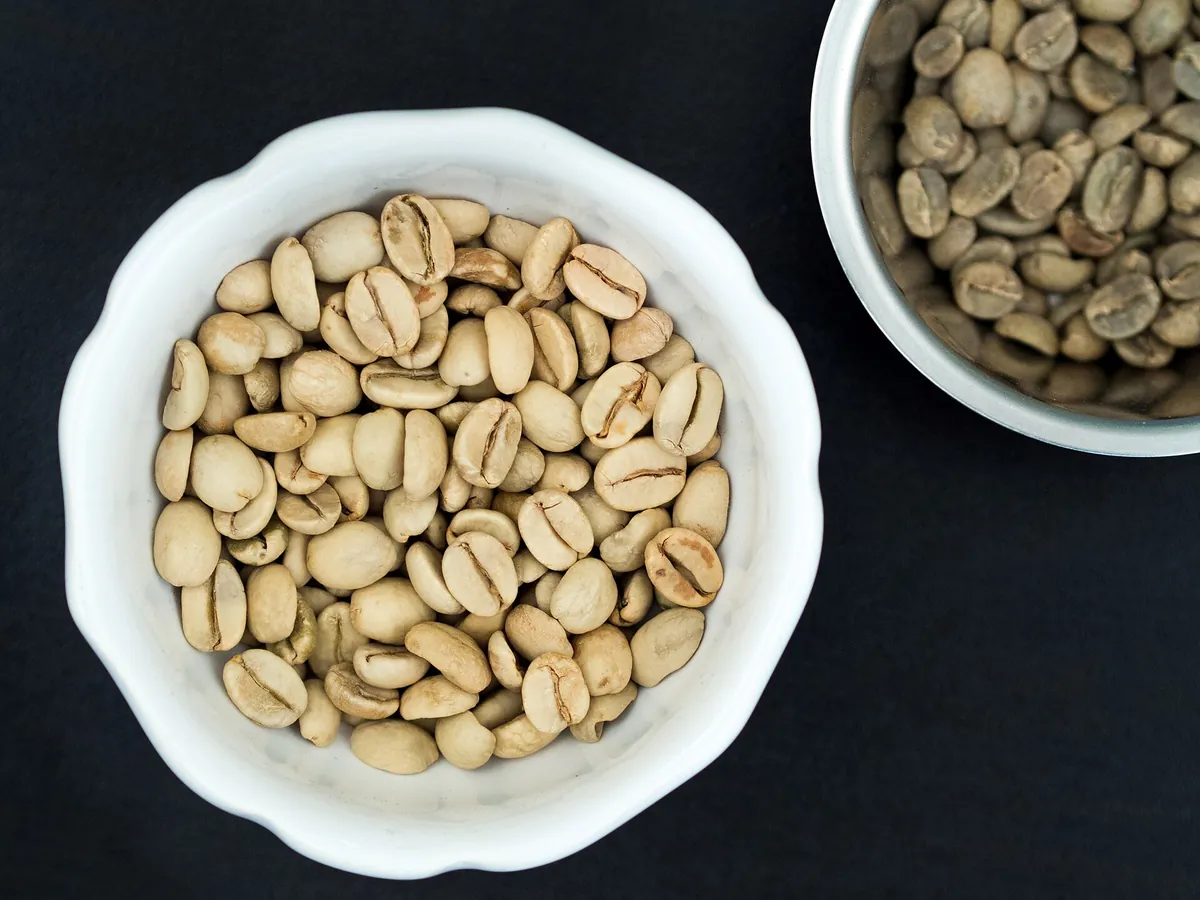
Monsooned Malabar is also a treatment of finished green coffee. In India, dry-processed beans are spread in open-sided warehouses during the monsoon, from June to September. Over 12 to 16 weeks they swell to almost twice their size, turn pale gold and lose nearly all their acidity25.
Coffee that’s been through an animal
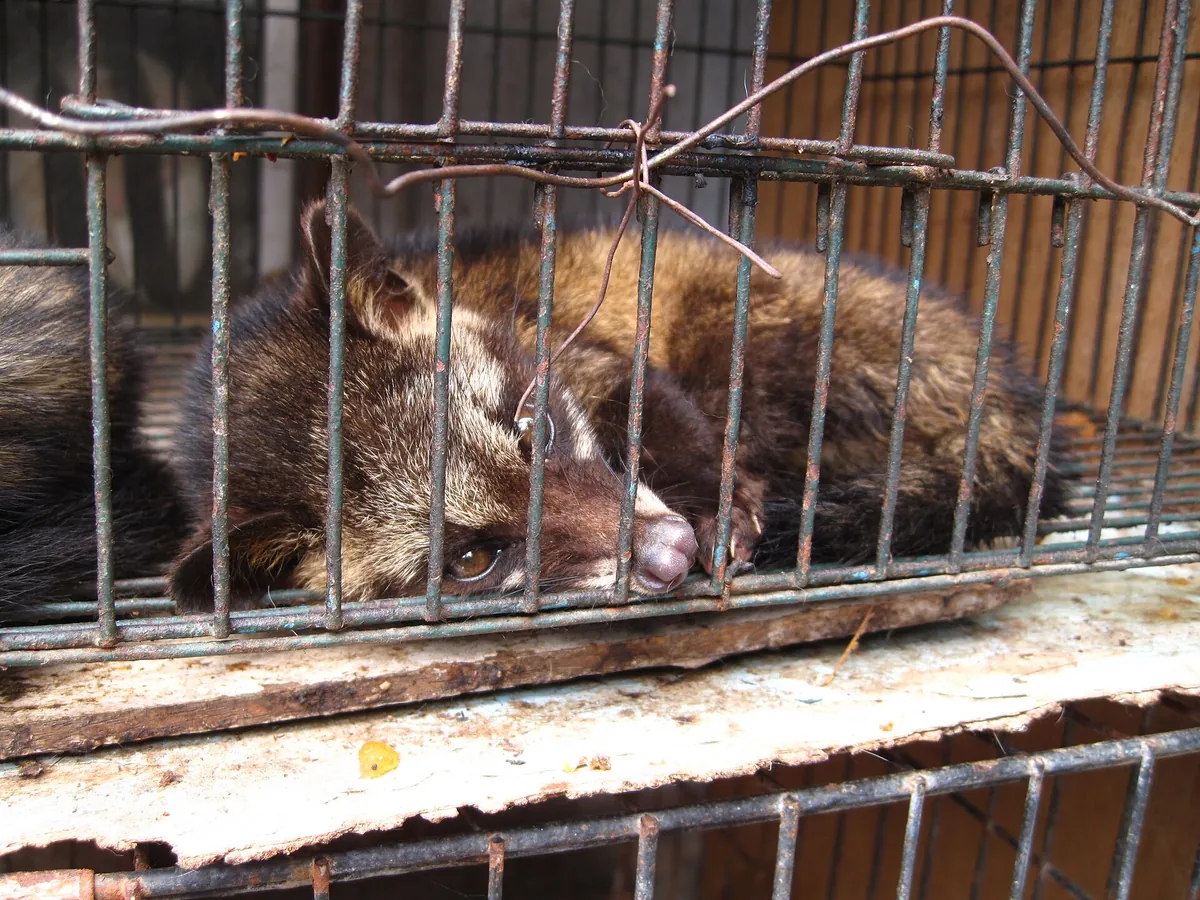
Some coffees are processed inside an animal. Kopi luwak is made from cherries that civets have eaten and excreted, and it used to be collected from the droppings of wild civets. A 2016 study of 16 plantations in Bali assessed 48 wild-caught civets kept in cages to produce it and found their conditions inadequate26. Many had no clean water and ate little but coffee cherries27.
Black Ivory coffee is made the same way with elephants in Thailand, and it takes 33 kilos of cherries to make one kilo of coffee28.
We firmly condemn using animals to make coffee. Keeping a wild animal in a cage for the sake of a cup of coffee is cruel, and no coffee is worth it.
If this practice offends you, please consider extending your compassion to all animals, including cows, pigs and chickens among others. Go vegan!
References
- Sucafina, coffee processing primer
- Perfect Daily Grind, the anatomy of a coffee cherry
- Café Imports, washed process
- Café Imports, natural process
- Café Imports, honey process
- Café Imports, pulped natural process
- Café Imports, wet hulled process
- Café Imports, Kenya
- Contexto Ganadero, Colombian coffee growing uses less and less water
- Roast Magazine, additive fermentation (January/February 2023)
- Perfect Daily Grind, understanding pulped natural coffee
- Barista Magazine, understanding the process: anaerobic processing
- Barista Magazine, understanding the process: carbonic maceration
- Perfect Daily Grind, experimental processing: washed carbonic maceration
- Sprudge, Saša Šestić of Australia wins the 2015 World Barista Championship
- Perfect Daily Grind, lactic fermentation in coffee
- Barista Magazine, understanding the process: koji fermentation
- Perfect Daily Grind, what is koji fermented coffee?
- Ineffable Coffee, thermal shock coffee
- Perfect Daily Grind, Cup of Excellence rule changes
- Daily Coffee News, Best of Panama organisers take hard stance against infused coffees
- Scientific American, how is caffeine removed to produce decaffeinated coffee?
- Swiss Water, our process
- InterAmerican Coffee, Colombia Descafecol decaf
- Barista Magazine, understanding the process: monsoon coffee
- Carder et al., the animal welfare implications of civet coffee tourism in Bali, Animal Welfare (2016)
- Mongabay, world's most expensive coffee often produced from caged, abused civets
- Black Ivory Coffee, why elephant-refined coffee is the rarest coffee on earth
Photo credits
- Roger Burger, CC0
- Jyppe Quidores, CC BY-SA 4.0
- Ronchy, Public domain
- PHILIP ASEDRI DRADRIO, CC BY-SA 4.0
- DeaPeaJay, CC BY-SA 2.0
- MRod1014, CC BY-SA 4.0
- Takeaway, CC BY-SA 4.0
- surtr, CC BY-SA 2.0


