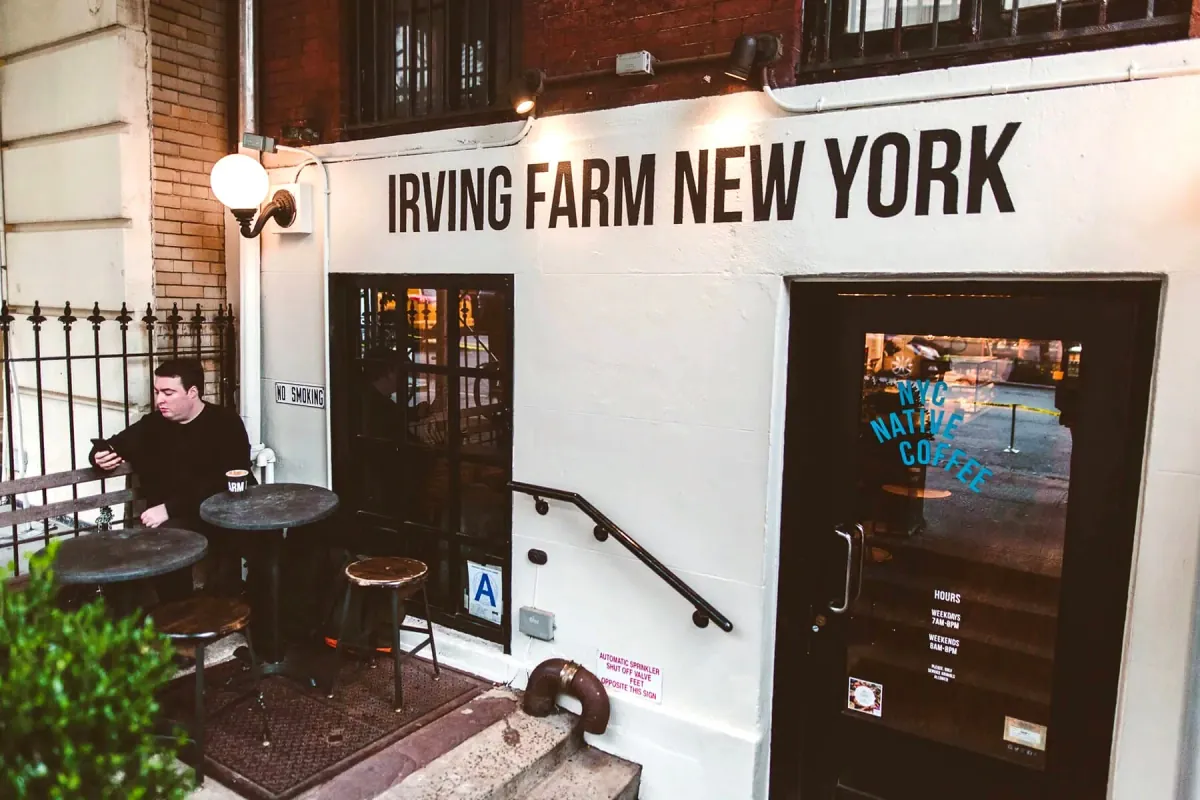
Irving Farm started in 1996, when founders Dave and Steve opened an eight-table café in Gramercy with ten to twelve single-origin and house blend coffees, a novelty at a time when most New Yorkers bought their morning coffee from delis and diners. In 1998 they turned to sourcing their own beans and working directly with farmers, and converted a small carriage house in Millerton, in the Hudson Valley, into a roastery. All of the coffee is still roasted there, in small batches. New York Magazine gave Irving its “Best Coffee” award in 2002, a café in Millerton opened in 2003, and in 2015 a training lab for baristas and wholesale customers opened in the Flatiron District. Its slogan is “Born in New York, roasted in the Hudson Valley, and loved everywhere”.
Irving Farm buys through nine long-term “Direct Trade” supply chains, producers it has worked with for at least three years, which accounted for 87.9% of its purchasing in 2024. It measures its own profitability and, above a threshold, adds a differential to the price it pays, so that since 2019 more than $70,000 has gone into funds directed by the producers themselves: a seedling nursery, a school budget, coffee wastewater treatment, covered solar dryers and emergency landslide relief. The 30th anniversary blend of 2026 pairs two of the oldest of those relationships, Santa Isabel in Guatemala and Monserrate in Colombia.
The cafés are the Gramercy flagship, the East Village, Olympic Tower in Midtown, the Upper West Side and Washington Square, plus the café in Millerton. Each has a food menu and a drink menu that runs from espresso and cold brew to seasonal drinks, and the shop sells the house blends, single origins, cold brew cans and an instant version of the 71 House blend.
Coffee on the shelf
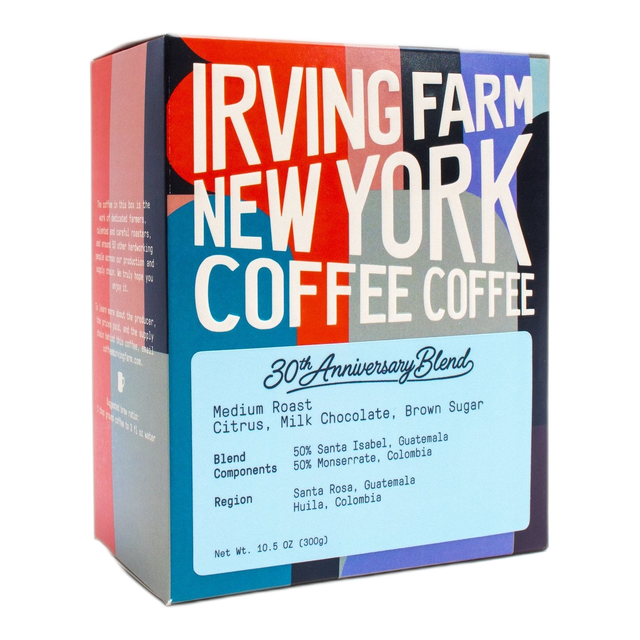
- Citric acidity
- Sweet
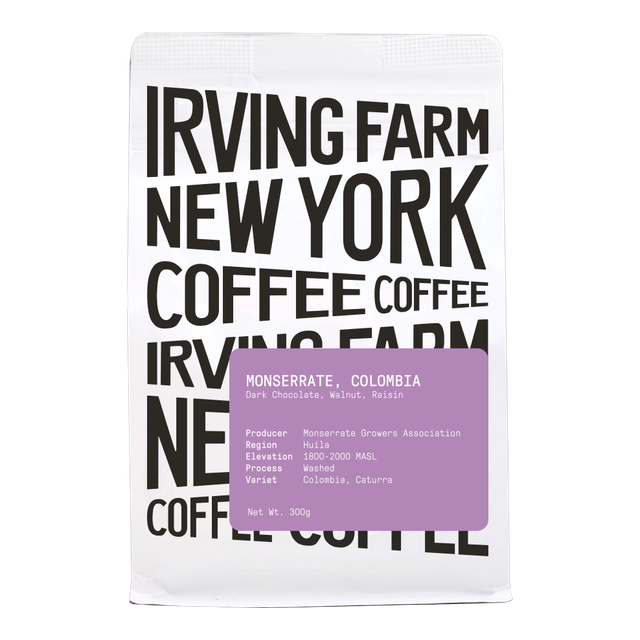
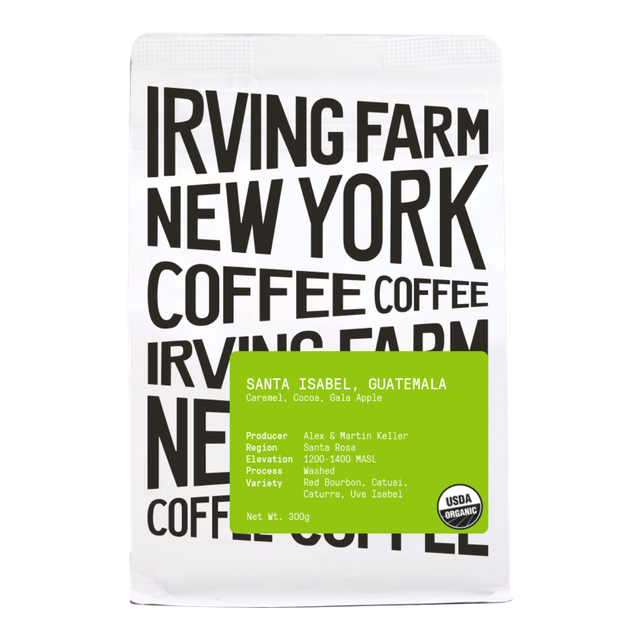
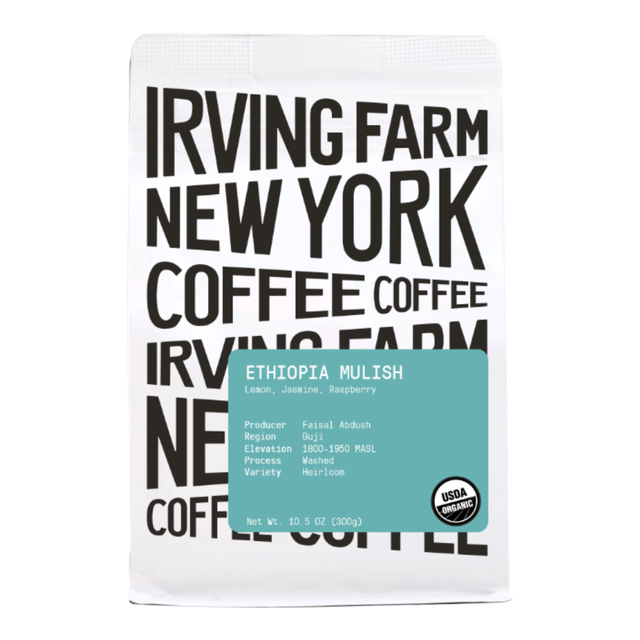
- Fruity
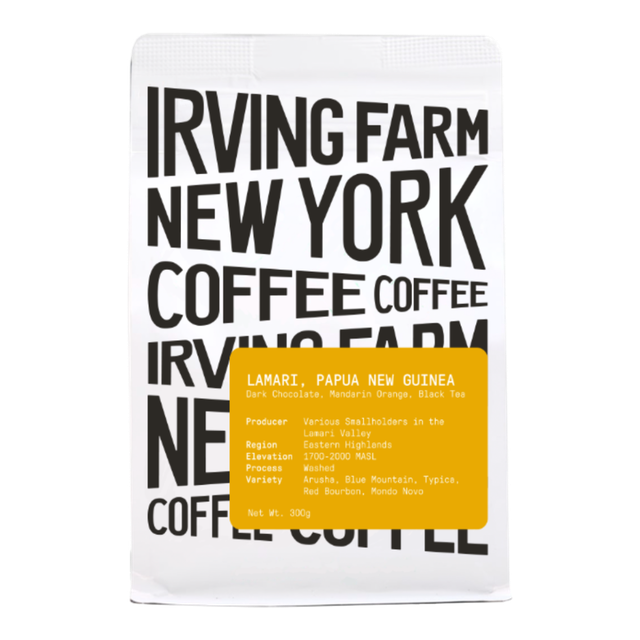
- Dark chocolate
- Mandarin orange
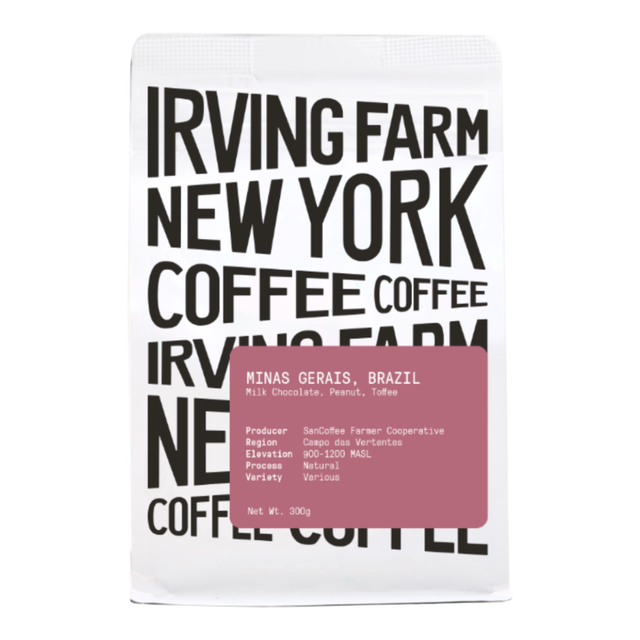
- Chocolate
- Nut
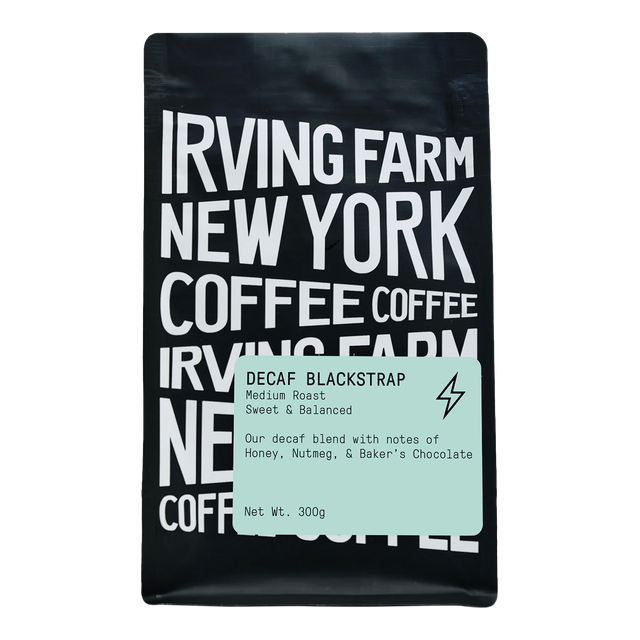
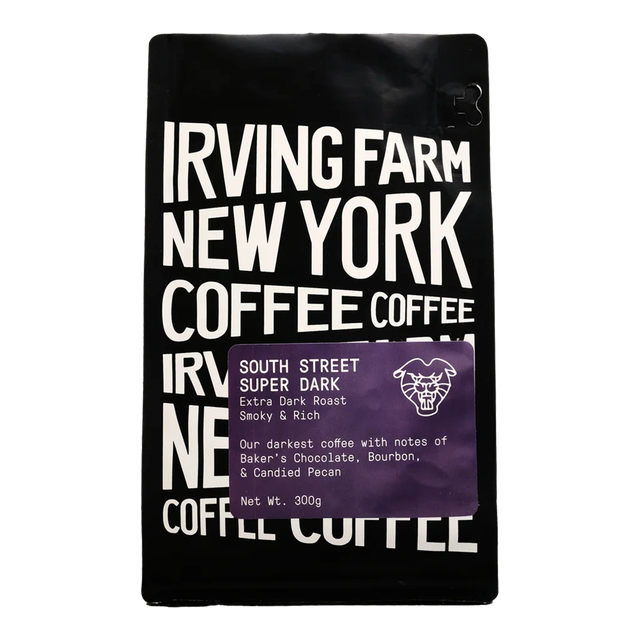
- Smoky
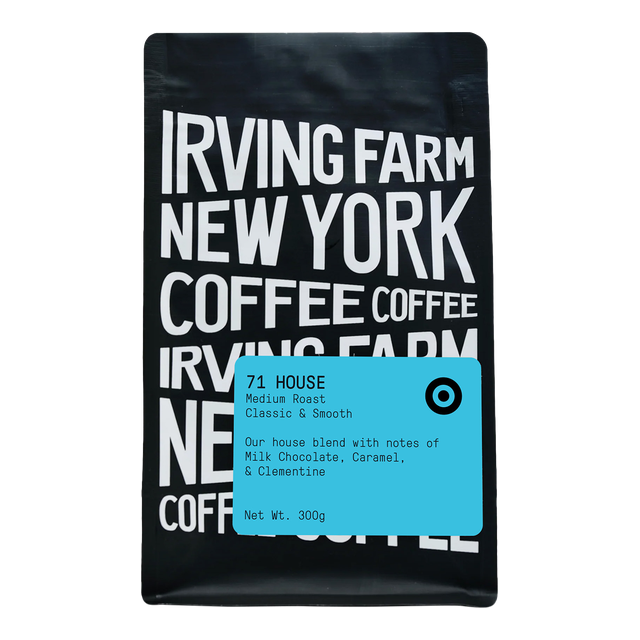
- Sweet
- Smooth
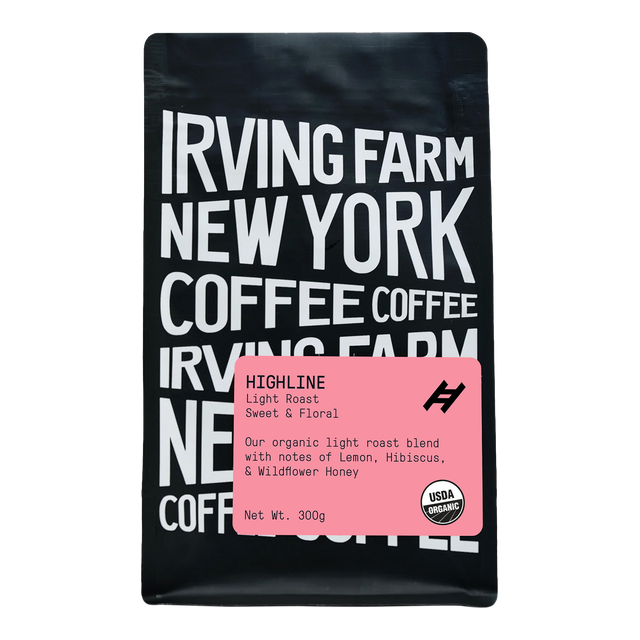
- Sweet
- Tart
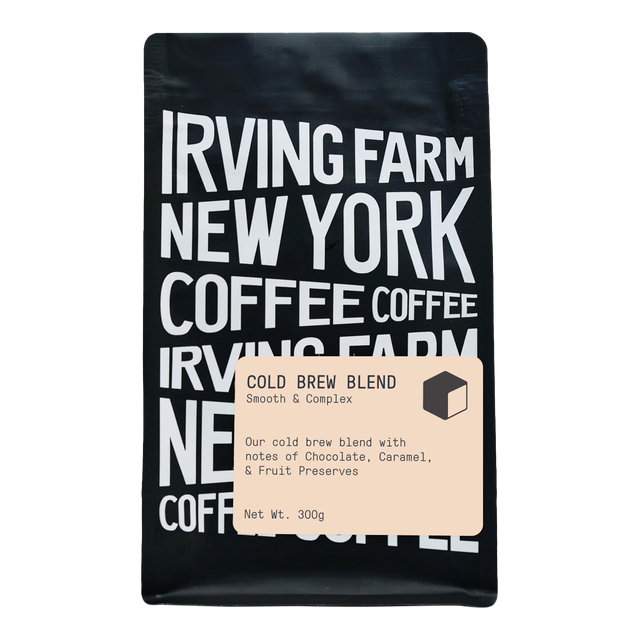
- Molasses
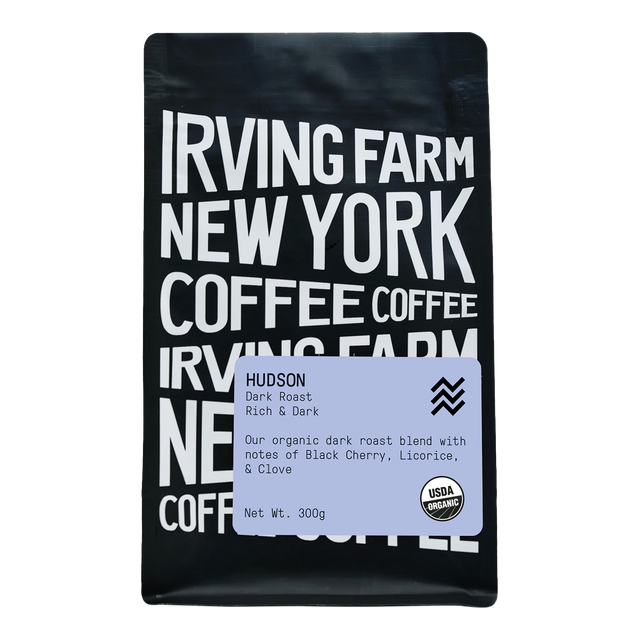
- Fruity
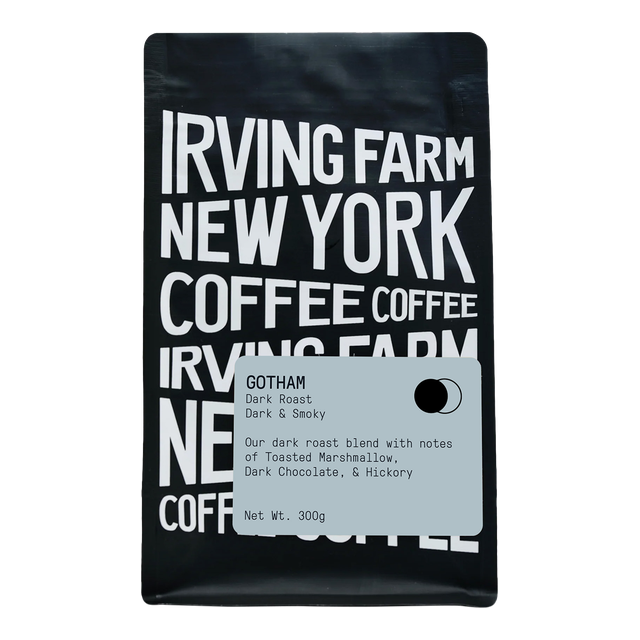
- Smoky
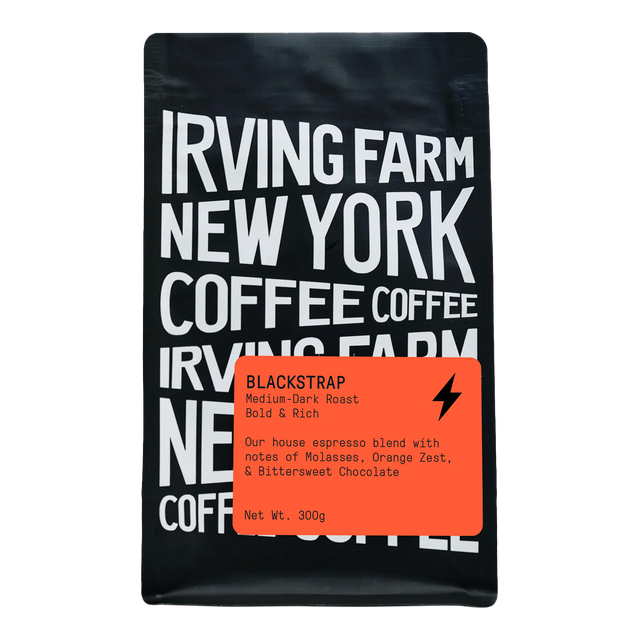
- Chocolate
- Orange
Photograph: Irving Farm New York