In 1996, when Irving Farm opened its first café, most New Yorkers bought their morning coffee from a deli or a diner, and in 2001 a shop in Alphabet City made manual espresso its main business, something that, by its own account, nobody in the city was doing. Manhattan now drinks from its own roasters. Joe, Birch, Ninth Street Espresso and Coffee Project roast in Long Island City, across the East River in Queens; Think and Café Integral roast in Brooklyn; Irving Farm roasts in a carriage house in Millerton, up the Hudson. Black Fox roasts part of its range and pours the rest from guest roasters, and Little Collins, a Melbourne café in Midtown, serves Counter Culture and Onyx.
Joe Coffee Company, from the West Village to Grand Central
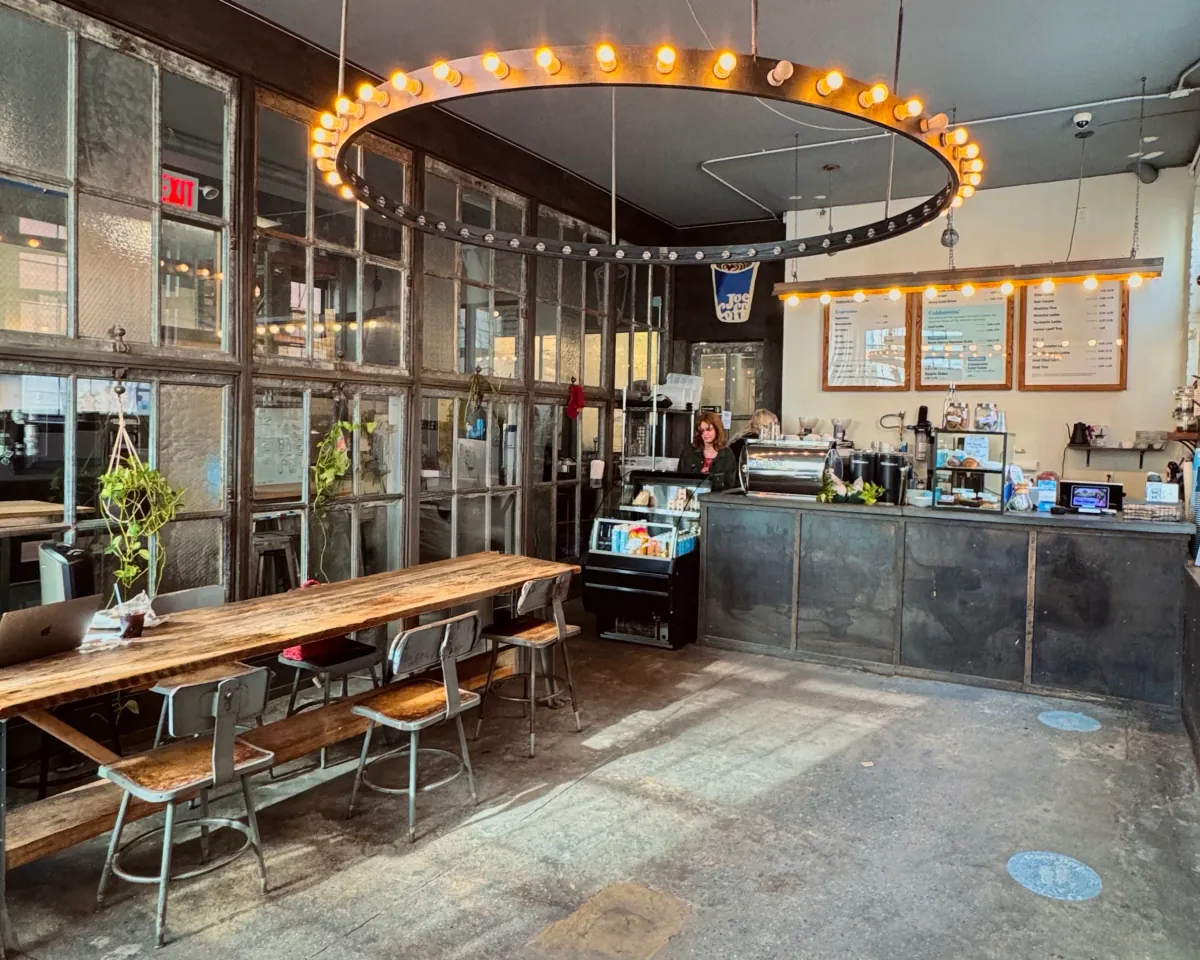
Joe Coffee Company began in 2003 in a former dry cleaner’s on a corner of the West Village, opened by Jonathan Rubinstein, his sister Gabby and their parents Richard and Alice. Two decades on, “New York’s hometown specialty coffee company” has more than 20 cafés in Manhattan, Brooklyn and Queens and its own roastery in Long Island City, where at least 80% of the green coffee is Rainforest Alliance certified. In Manhattan the cafés run from the West Village, Union Square and a walk-up window by the Flatiron Building through Chelsea, Bryant Park and two counters inside Grand Central Terminal to the Upper West Side, the World Trade Center and Columbia Business School. The Pro Shop in Chelsea and the roastery café rotate guest roasters beside Joe’s own blends.
Irving Farm New York, Gramercy and the Hudson Valley
Irving Farm New York is the oldest of the nine. Founders Dave and Steve opened an eight-table café in Gramercy in 1996, turned to sourcing their own beans in 1998 and converted a small carriage house in Millerton into the roastery where all of the coffee is still roasted. Irving Farm buys through nine long-term “Direct Trade” supply chains, 87.9% of its purchasing in 2024, and since 2019 has put more than $70,000 above a profitability threshold into funds the producers direct, from a seedling nursery to landslide relief. Its 30th anniversary blend pairs two of those relationships, Santa Isabel in Guatemala and Monserrate in Colombia. The cafés are the Gramercy flagship, the East Village, Olympic Tower in Midtown, the Upper West Side and Washington Square, plus Millerton.
Ninth Street Espresso, Alphabet City and Long Island City
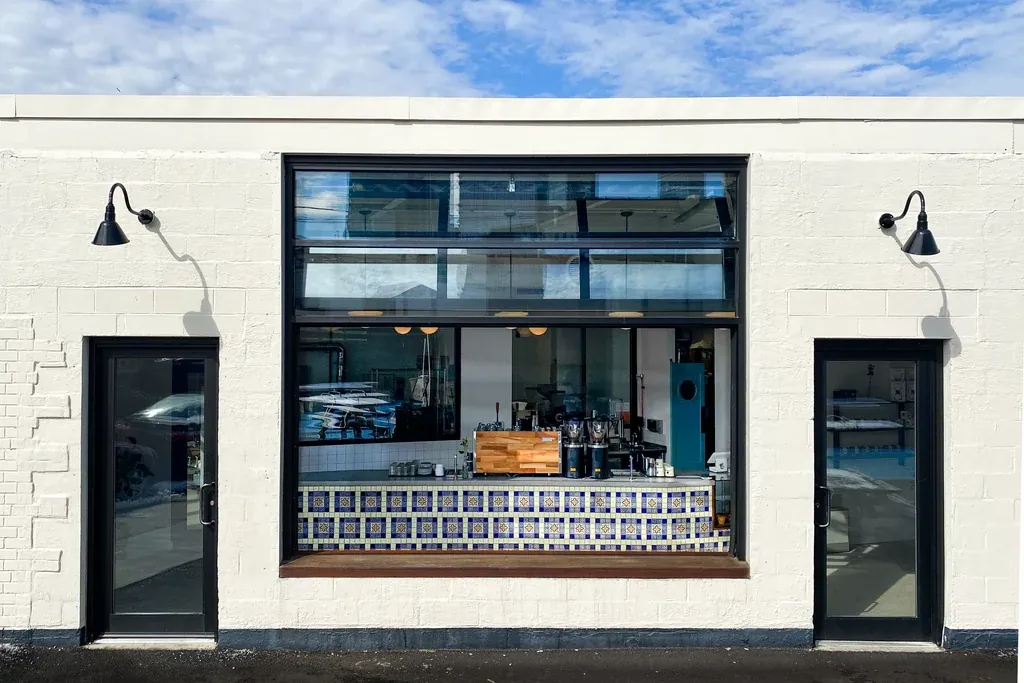
Ninth Street Espresso opened in 2001 as Higher Grounds Cafe, and an early write-up in the New York Times brought the city’s coffee enthusiasts to Alphabet City. The name changed in 2003. After working with “just about every roaster in specialty coffee” the company started roasting for itself, choosing coffee that is “round and accessible without being boring”; Alphabet City, its espresso of Brazilian coffee from Daterra, has been on the bar for more than 20 years. The original café is still open, with a second by Tompkins Square, a bar inside Threes Brewing in Gowanus, and the roastery and café in Long Island City.
Birch Coffee, twelve cafés in Manhattan
Birch Coffee was opened in 2009 by Jeremy Lyman and Paul Schlader, who met in a 12-step programme in 2005 and financed the first shop with loans from friends and family and a bar mitzvah bond cashed early. Since 2015 Birch has roasted its coffee in Long Island City, and it pulls bags from the shop shelves after 60 days. There are twelve cafés in Manhattan, from the Financial District and Tribeca to Moynihan Train Hall, the Upper West Side and Yorkville, plus Court Square in Long Island City, a takeaway counter at LaGuardia Airport and a store in Seoul.
Think Coffee, ten Manhattan cafés and a Williamsburg roastery
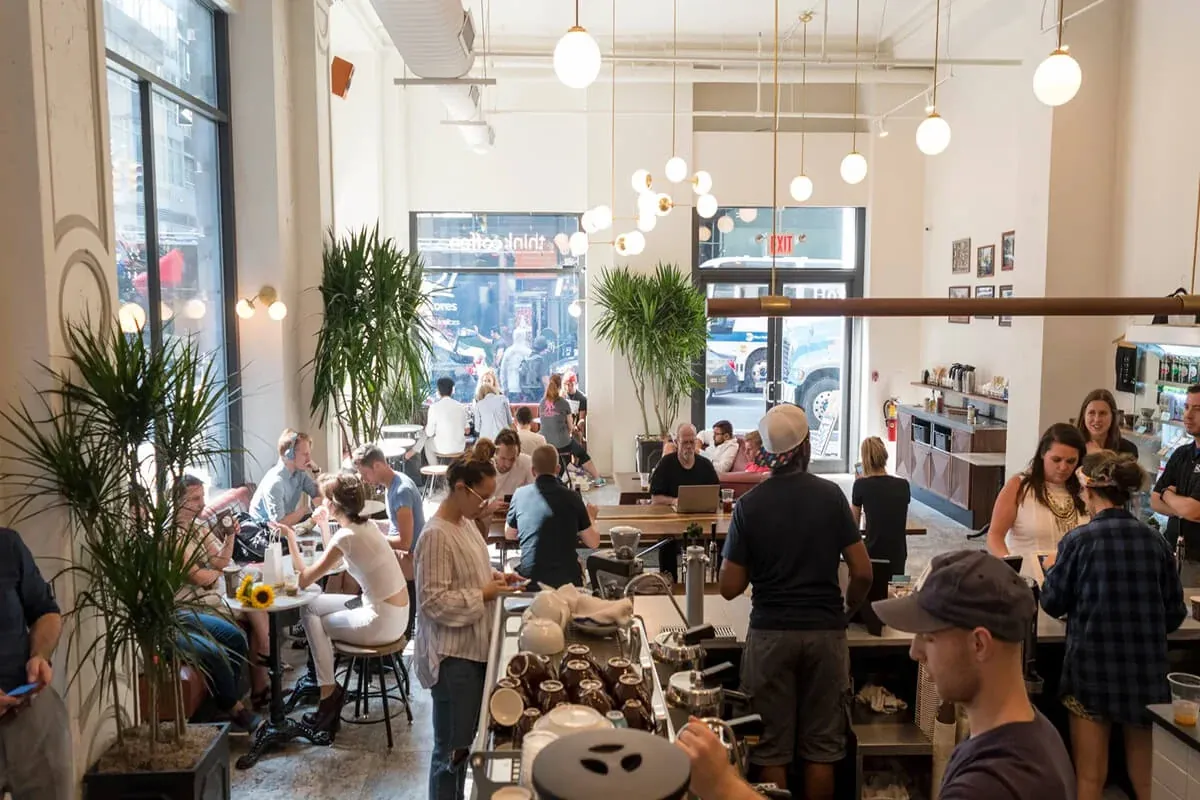
Think Coffee is an importer and roaster that has called New York home for 20 years. The flagship sits on the NYU campus, with the kitchen at the back that bakes the bread for every café; the other Manhattan cafés run from Tribeca and SoHo to Union Square, Hudson Yards and NoMad, and the roastery, bakery and café is in Williamsburg. Think measures its supply chain by whether farmworker communities thrive, not only by the prices paid to producers, and buys through relationships that go back to 2013 in Nicaragua and Ethiopia, to 2016 in Nariño, Colombia, and to 2025 in Honduras. The signature blend, Devoe, is on drip and espresso in every café.
Coffee Project New York, six Manhattan cafés and an SCA campus
Coffee Project New York started in 2015 when Chi Sum Ngai and Kaleena Teoh quit their jobs for a passion project in the East Village. It now roasts in Long Island City, where Chi Sum Ngai is head roaster, and the roastery shares its home with the Academy, by its own account New York’s first Specialty Coffee Association Premier Training Campus. The cafés are in Chelsea, the East Village, the Financial District, Hell’s Kitchen, Tribeca and on the Upper East Side, with one in Fort Greene, Brooklyn, and the Academy café in Long Island City, each with a pour-over list beside the espresso drinks.
Café Integral, Nolita
Café Integral was founded in 2012 to bring Nicaraguan coffees to the forefront of American coffee culture. Its team spends more than three months on the ground each harvest, refining milling with the early pickings and grading every lot once it has dried; the rarest pickings become single estate coffees and the top grades go into regional single origins and blends. Everything is roasted in small batches in Brooklyn, and the one café is in Nolita. The flagship espresso, Dulcinea, changes edition with the seasons, and the 2025 harvest has landed.
Black Fox Coffee Co., the Financial District and Midtown
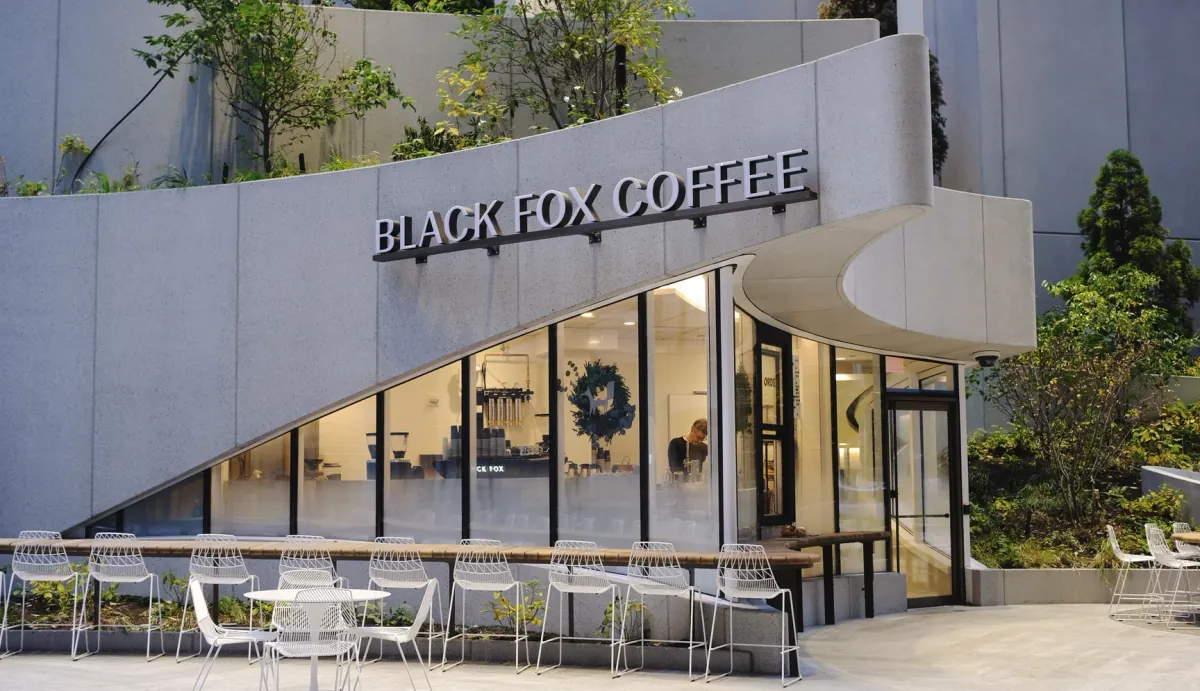
Black Fox Coffee Co. was founded in 2016 by Daniel Murphy and Gary Hardwick, who set out to create full-service cafés, espresso bars and a roastery in homage to the European espresso bar. It is one of the few multi-roasters in New York: the shelf mixes bags from Square Mile, Obadiah, Monogram and Sweven with Black Fox’s own lots from Kenya, Ethiopia, Colombia and Guatemala, and the espresso in the shops is All Day, a community lot from Huila bought three or four times a year to follow the Colombian harvest. The flagship is at 70 Pine in the Financial District, with a café in Midtown East, a garden kiosk at 550 Madison, a café in the Pendry hotel at Manhattan West and one in Austin, Texas.
Little Collins, Midtown East
Little Collins is the one café here that does not roast. Leon, Nic and their team built it a decade ago for people who fall in love with New York and still miss the cafés of their hometown, with the “slightly cheeky” sensibility and café culture of Melbourne. The batch brew and part of the pour-over list come from Counter Culture Coffee and the rest of the pour-overs from Onyx Coffee Lab. The kitchen serves an Australian breakfast, and in the evening there is wine, beer and an espresso martini made with Little Collins espresso.
What you need to know about New York specialty coffee
Which New York coffee shops roast their own coffee? Joe, Birch, Ninth Street Espresso and Coffee Project roast in Long Island City, Queens. Think roasts in Williamsburg and Café Integral elsewhere in Brooklyn. Irving Farm roasts in Millerton, in the Hudson Valley. Black Fox roasts its own single origins and its All Day coffee and serves guest roasters beside them.
Which roasters do the other cafés serve? Little Collins pours Counter Culture Coffee and Onyx Coffee Lab. Black Fox’s guest roasters include Square Mile, Obadiah, Monogram and Sweven, and Joe’s Pro Shop and roastery café rotate guest roasters beside Joe’s own coffees.
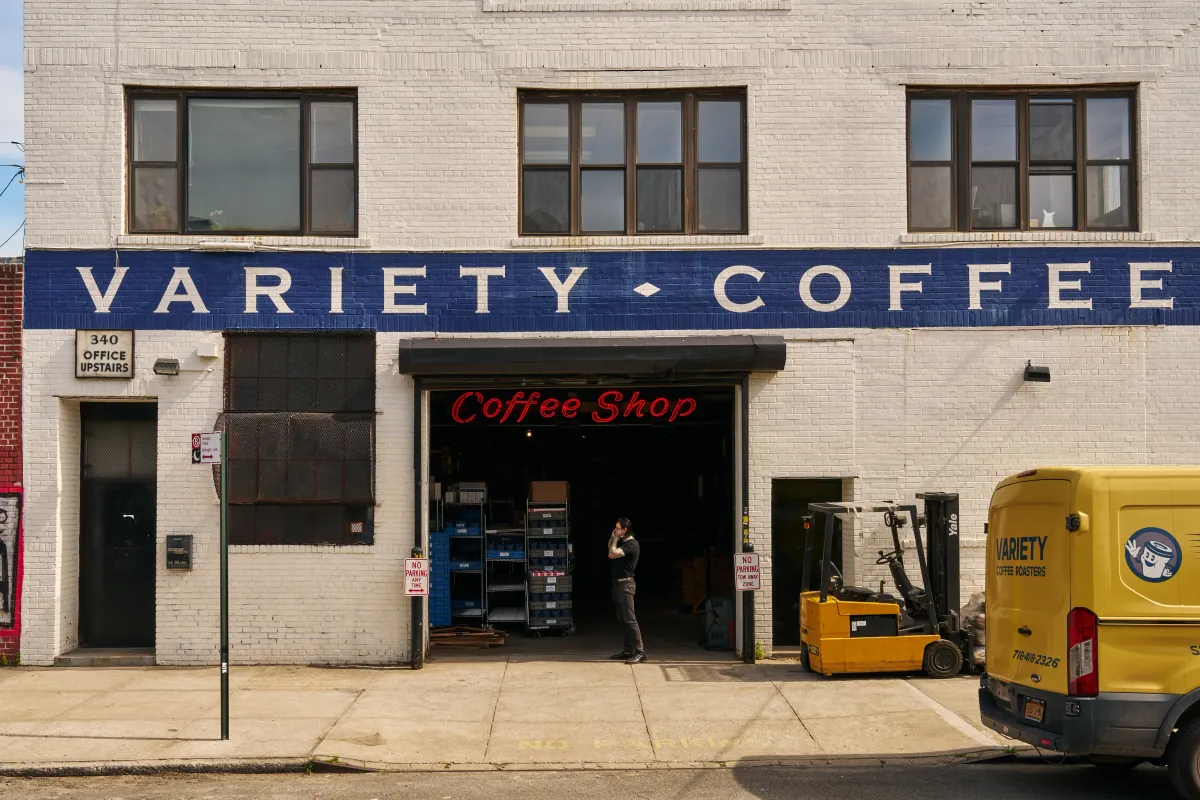
Which Brooklyn roasters have cafés in Manhattan? Devoción has cafés in NoMad, Flatiron and Midtown, Partners Coffee one in the West Village, and Variety Coffee Roasters cafés in Chelsea, on the Upper East Side and in Lower Manhattan. La Cabra, the Copenhagen roaster, has a café in SoHo and café-bakeries in the East Village and under the High Line in Chelsea, and roasts for them in Bushwick.
Can you take a coffee class? Coffee Project’s Academy in Long Island City is an SCA Premier Training Campus with barista, pour-over and tasting intensives, SCA certificates, Q Grader courses and roaster training; Joe runs public classes and professional certification.
Photo credits
Photographs belong to the businesses and are reproduced from their official websites with attribution.