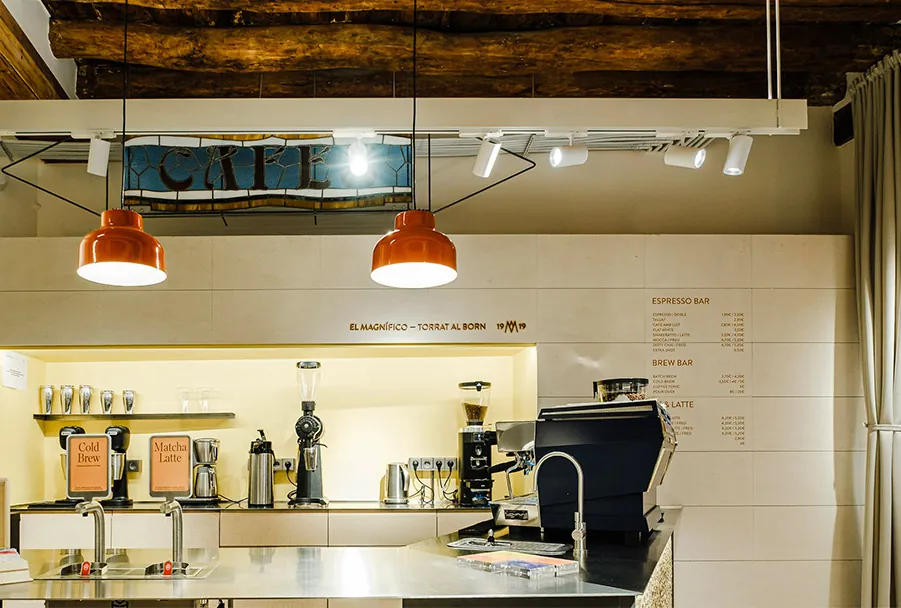
Cafés El Magnífico is the oldest coffee name in this guide. Salvador Sans Velasco’s parents created the brand in 1962 on the foundations of the colonial goods shop his grandfather opened in 1919, and earned their reputation for coffee in La Ribera, the neighbourhood now known as El Born. In 1987 he met the importer Philippe Jobin in Le Havre, which led to a first purchase of fine coffees from several origins sold with traceability. Two years later the family opened its El Born shop, where it has roasted ever since. In 2018 it bought La Portorriqueña, a Raval roastery founded in 1906. There are three shops, in El Born, in Ciutat Vella and in the Eixample, plus a sister tea house, Sans & Sans.
Sans has judged Cup of Excellence competitions since 2002 and the Best of Panama, and in 1996 he co-founded the Fórum Cultural del Café with five other roasters. The third generation, Claudia Sans Witty, has led quality control since 2018: she roasts samples on a Roest, lays the cupping table, and sits on a panel of three or four tasters who decide which seasonal samples join the list. Roasting is done on Loring Smart Roast machines, with each batch logged in Cropster for colour, weight loss and production cupping scores. The company sells to the public and to the hospitality trade, and holds an open cupping in its Argenteria showroom one Saturday a month.
The coffee list is split into single origins, decaf and blends, each coffee listed with the farm or washing station, producer, altitude, variety, process and the roaster’s tasting notes, along with a marker for filter, omni or espresso roasting. The Argentería blend is named after the street of the El Born shop, which was probably the first in Barcelona and Spain to offer a list traceable to the farm. The shop also stocks matcha, chai, Original Beans chocolate and brewing equipment. The current retail range is listed below with the roaster’s own tasting notes.
Coffee on the shelf
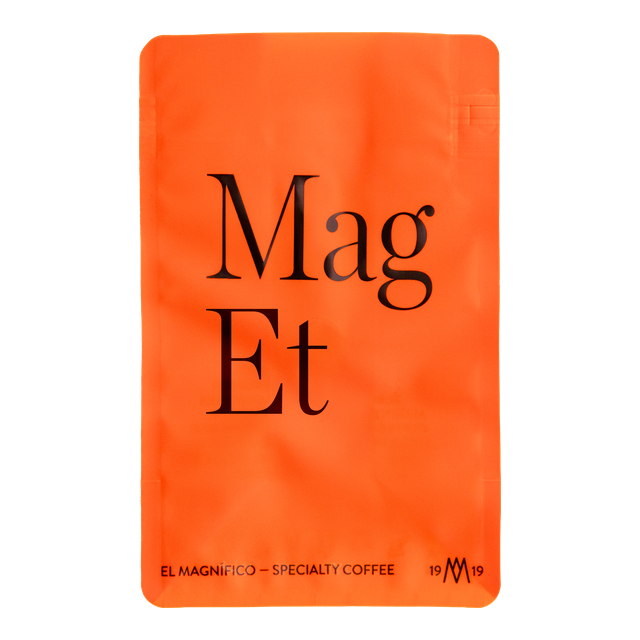
- Dulce
- Mantequilla
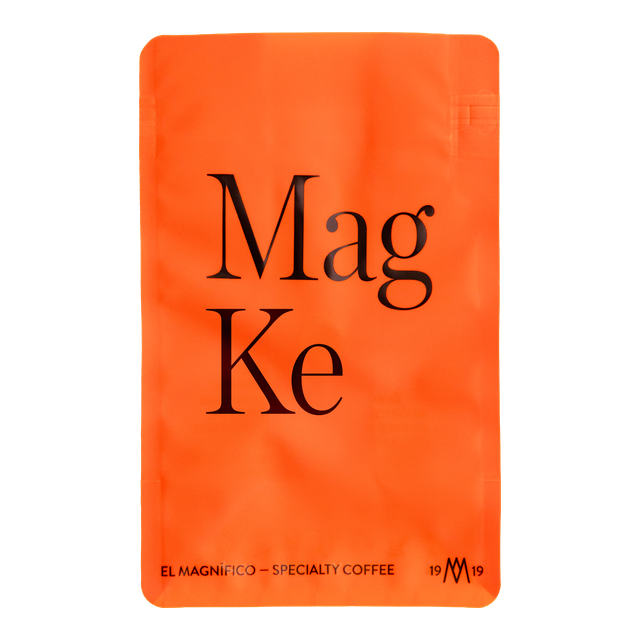
- Dulce
- Caramelo
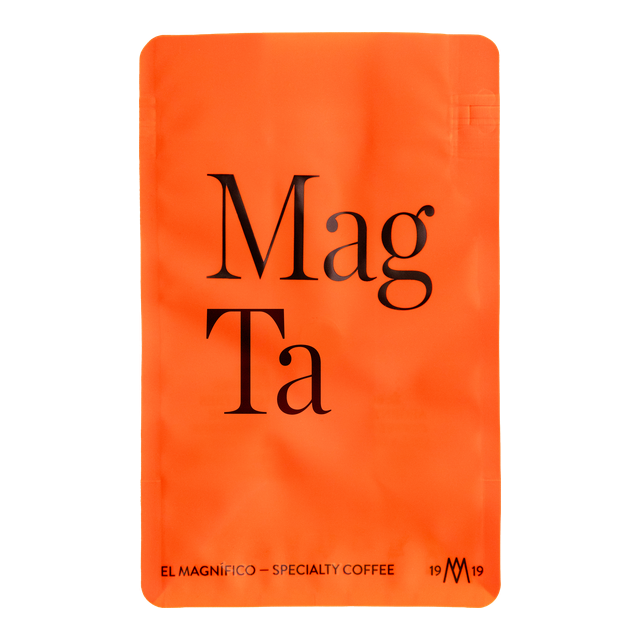
- Dulce
- Mantequilla
- Floral
- Cereza
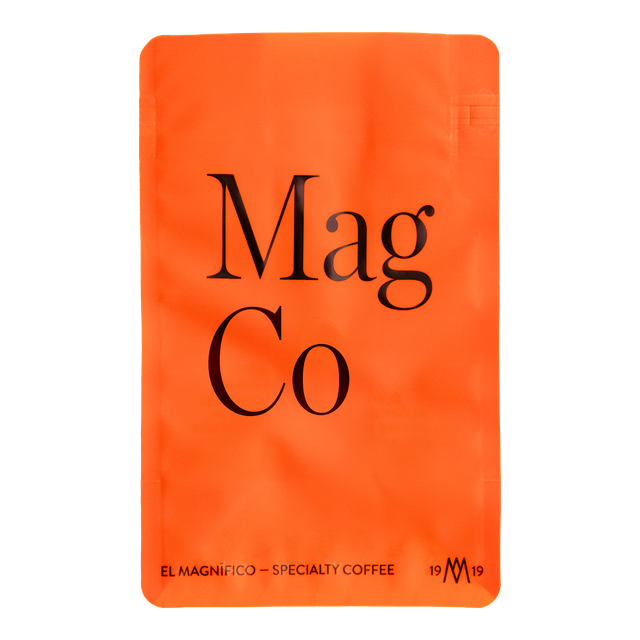
- Dulce
- Fruta de hueso
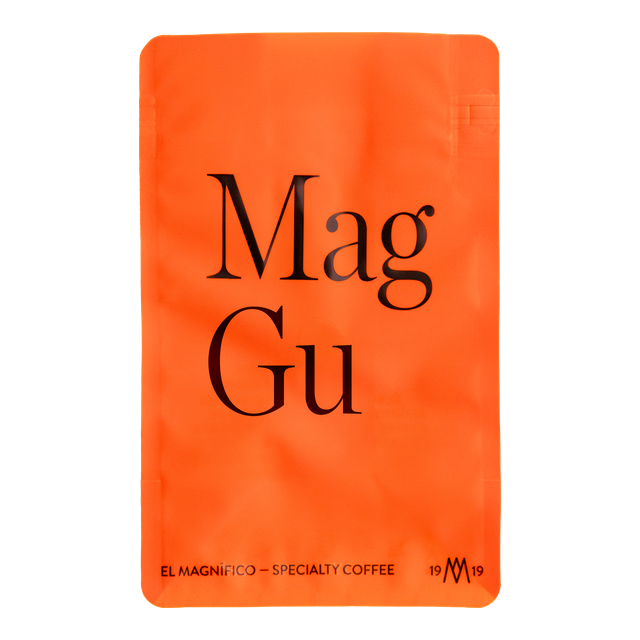
- Dulce
- Chocolate con leche
- Dulce
- Almendra
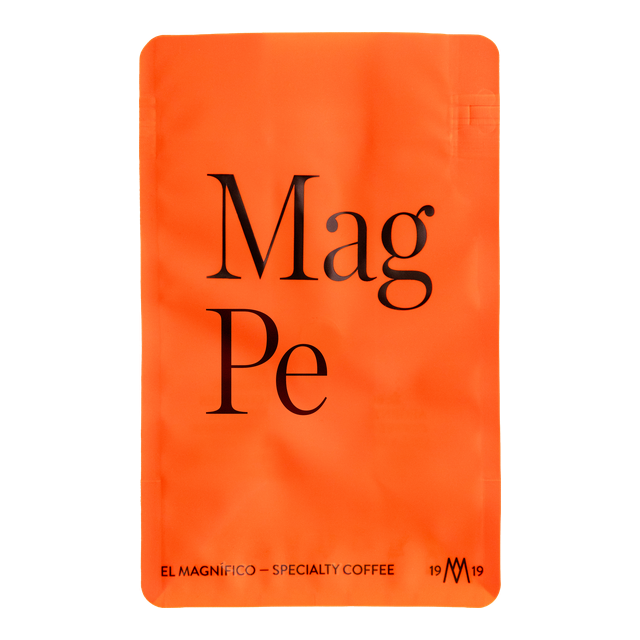
- Chocolate
- Almendra
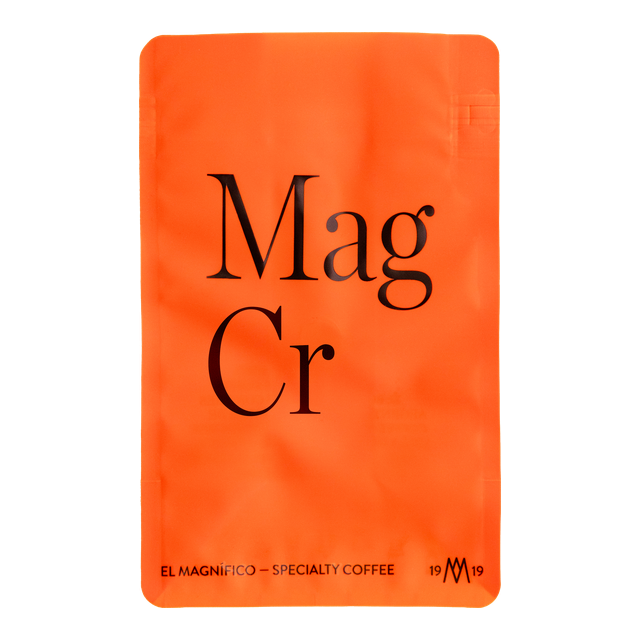
- Dulce
- Albaricoque
- Dulce
- Vainilla
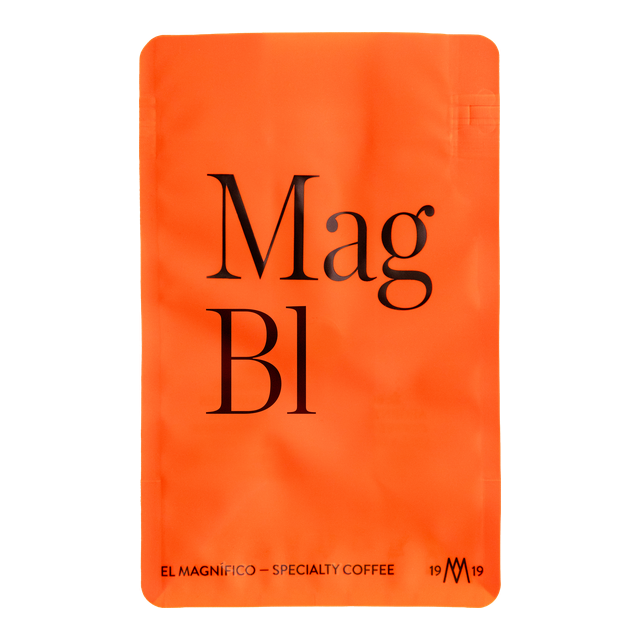
- Dulce
- Chocolate
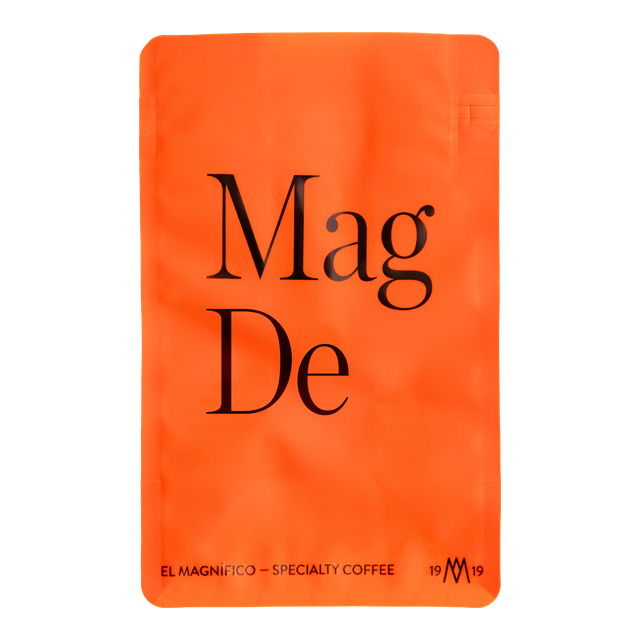
- Dulce
- Especias dulces
- Chocolate
- Dulce
- Frutos secos
- Chocolate
Photograph: Cafés El Magnífico