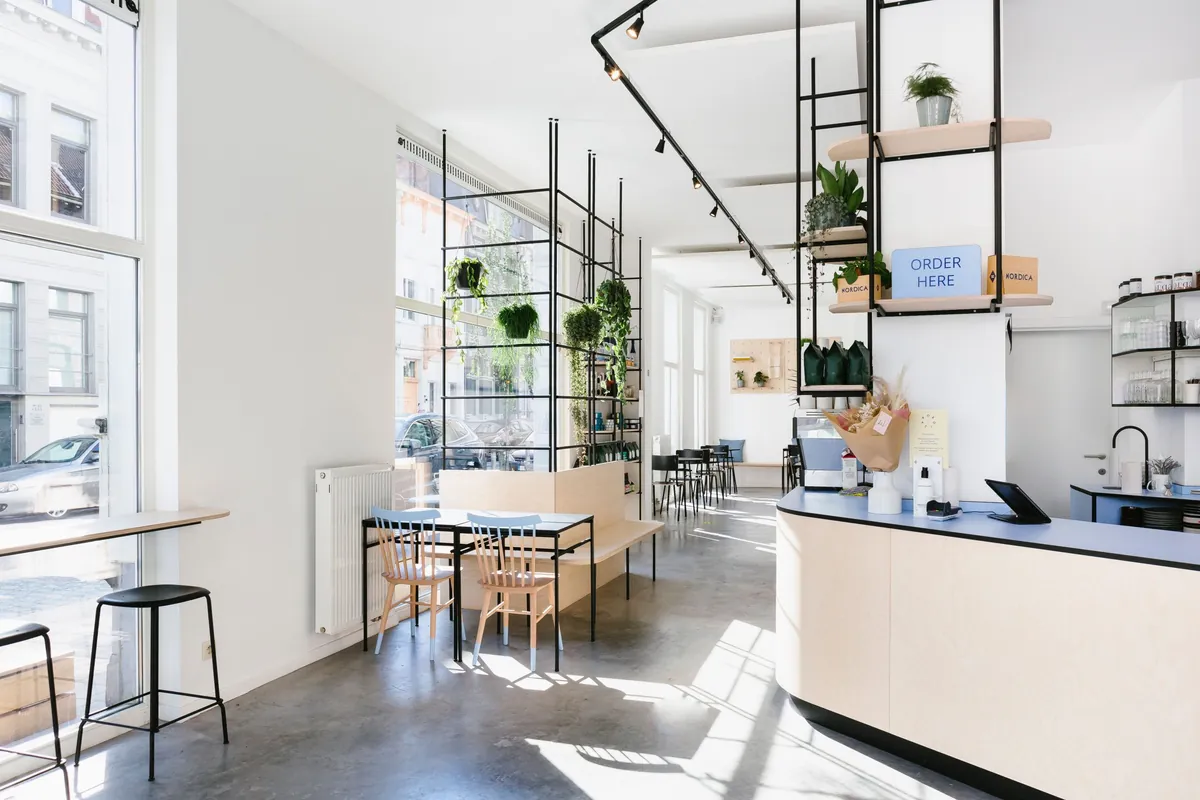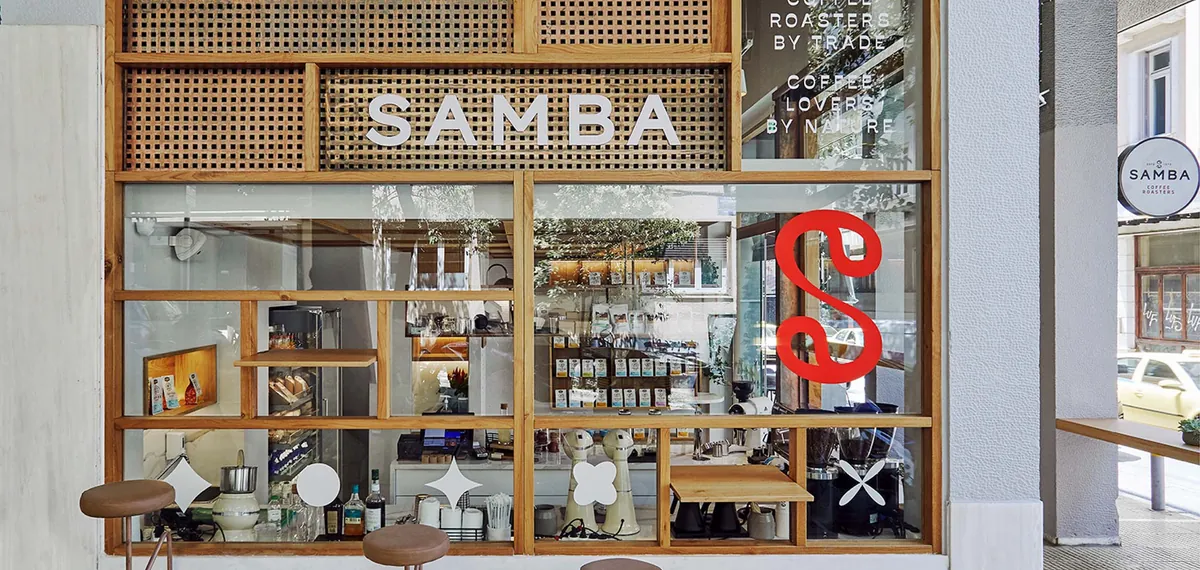
First, the word. In Amsterdam a “coffeeshop” sells cannabis. The specialty coffee shops in Amsterdam are koffiebars, espresso bars and roastery cafés, and they have spread across the city from the Jordaan to Bos en Lommer, serving flat whites and filter coffee from named farms.
They are grouped by the roaster behind the counter.
LOT61 Coffee Roasters, Oud-West
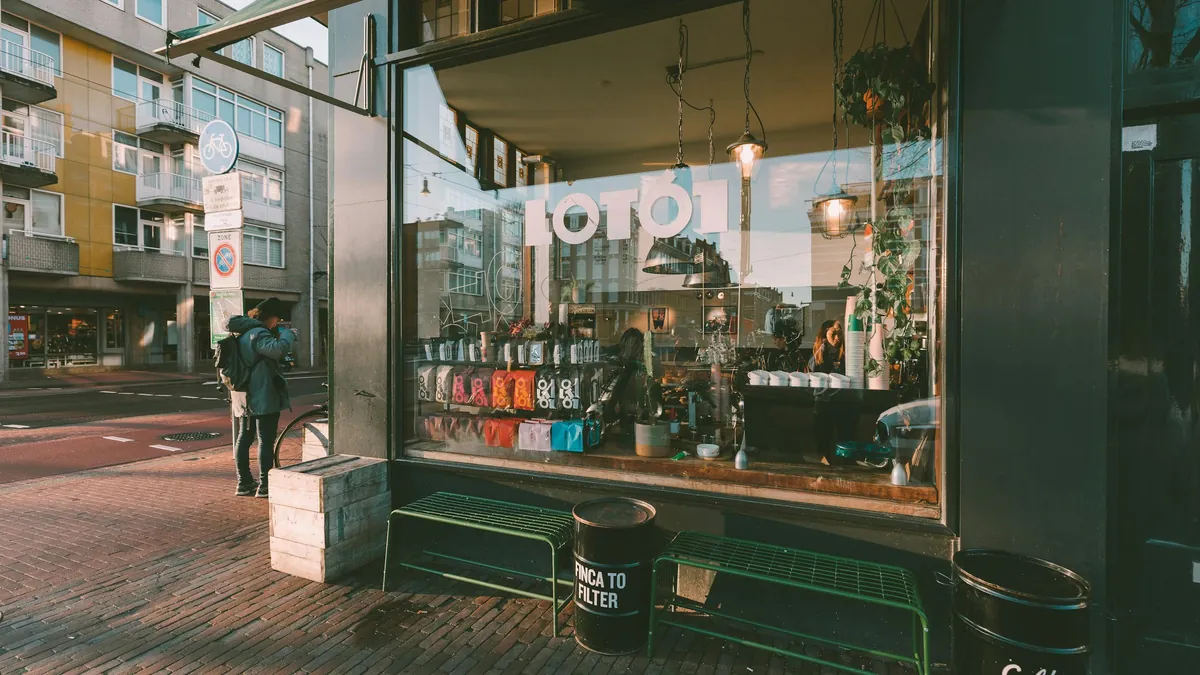
LOT61’s line is “Born in Sydney. Raised in Brooklyn. Roasting in Amsterdam”, and its Oud-West café is where the Amsterdam part began. The corner window, the green benches outside and the bags lined up on the sill make it one of the city’s most photographed coffee bars. The coffee comes from the company’s own roastery in the west of the city, where it has roasted on a Probat for close to a decade. There are two more LOT61 cafés in the city, one in Oud-Zuid and one inside the DoubleTree by Hilton hotel at Amsterdam Centraal station, where pastries are baked daily, matcha drinks sit beside the coffee and the café works with local creatives and musicians.
Back to Black, near the Rijksmuseum and in Amsterdam-West
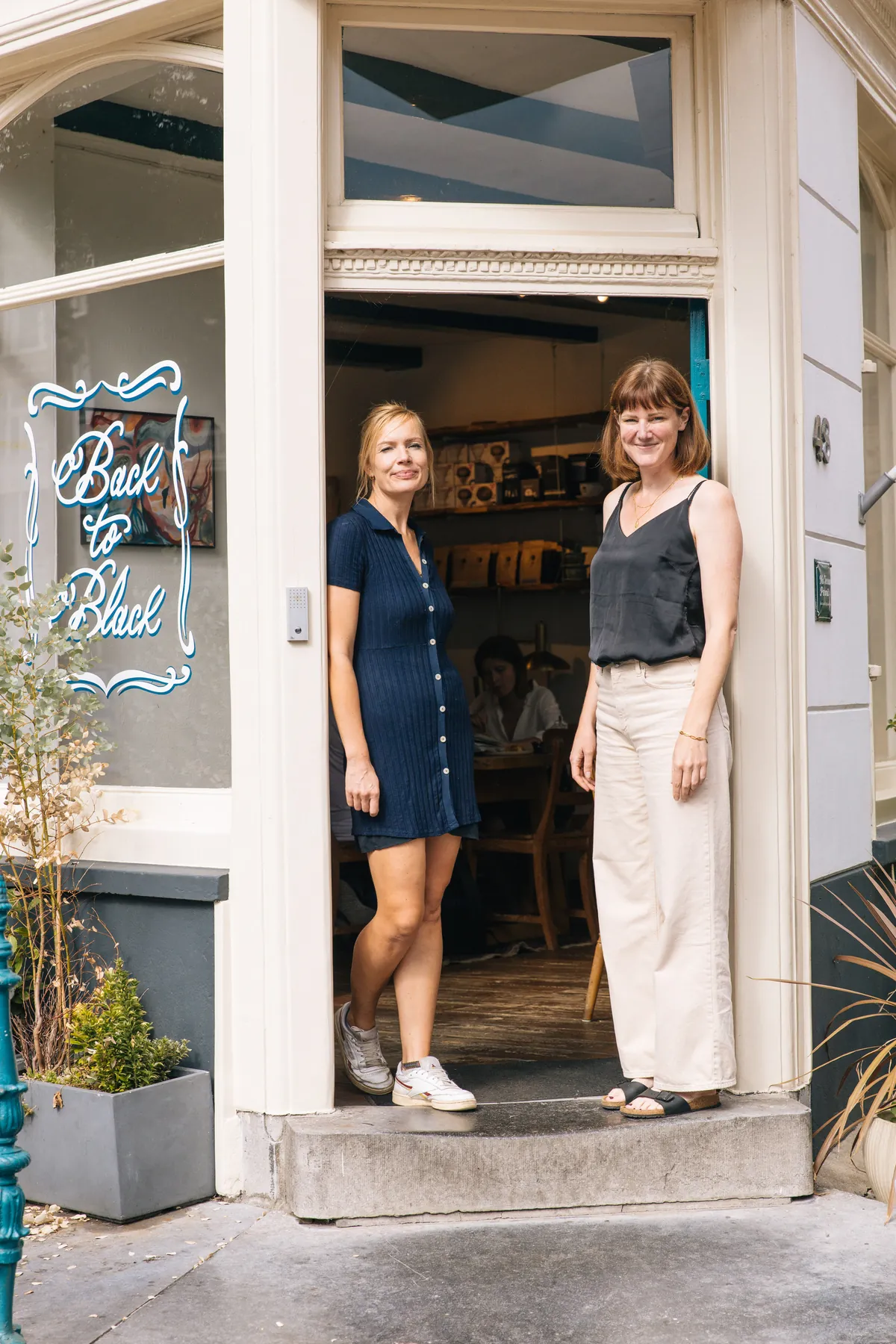
Noortje and Inge opened the first Back to Black in July 2014, a small coffee bar on a quiet side street near the Rijksmuseum, and began roasting their own coffee early the next year. Today the company runs a roastery and bakery in the western port and a second bar in Amsterdam-West. Every cake is baked in-house, and the company buys organic and local produce wherever it can. Both bars take no reservations, limit laptops on weekdays and ban them at weekends. There is also a cat, Binkie.
YUSU, Oost and the city centre
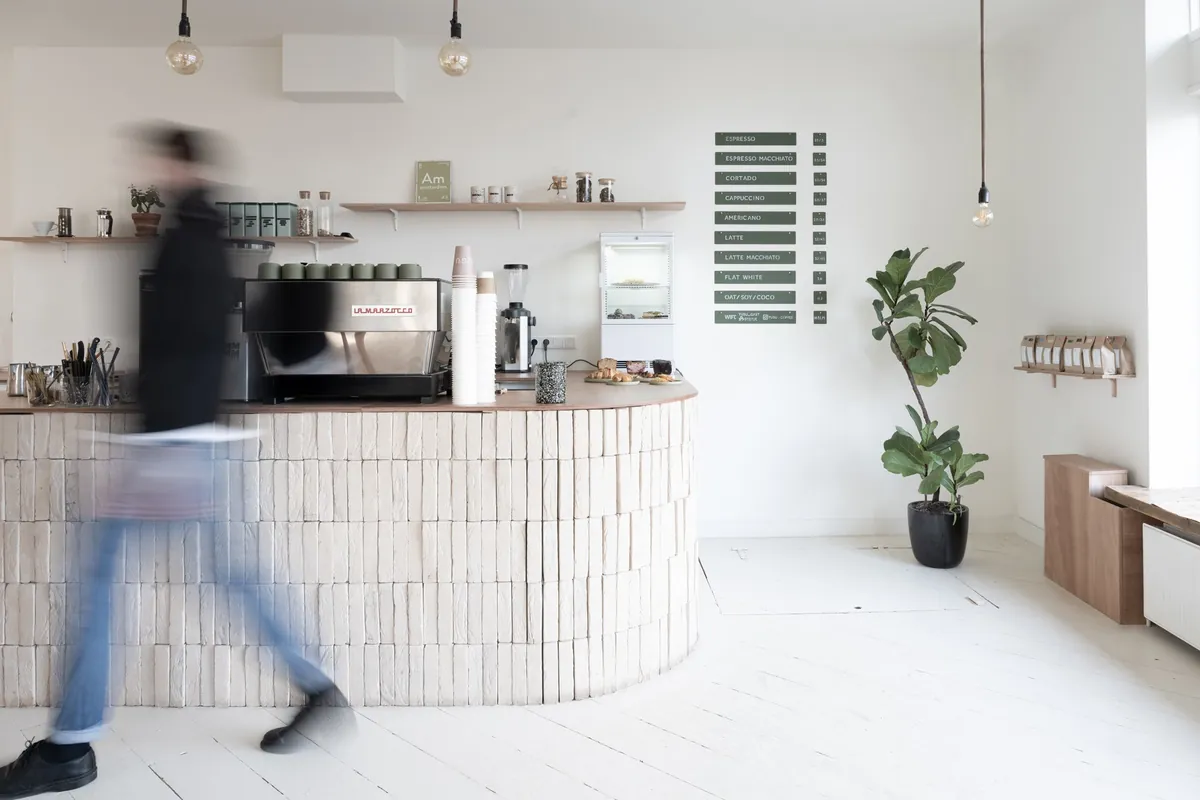
YUSU takes its name from “seryusu”, the Surinamese word for serious. Kick van Doorn and Nicole Lieuw, both baristas, opened it as a family business in Oost. The coffee is imported, selected and roasted in collaboration with Back to Black and sold under the YUSU label. Everything to eat is made in-house in YUSU’s own bakery, from the cakes to a traditional Surinamese pastry and Brazilian cheese balls, and the second café, in the city centre, serves sandwiches on homemade buns at lunch. The art on the walls changes every few months. The Oost café closes at the end of December 2026 for foundation repairs to its building, for a year and a half to two years.
Friedhats FUKU, Bos en Lommer
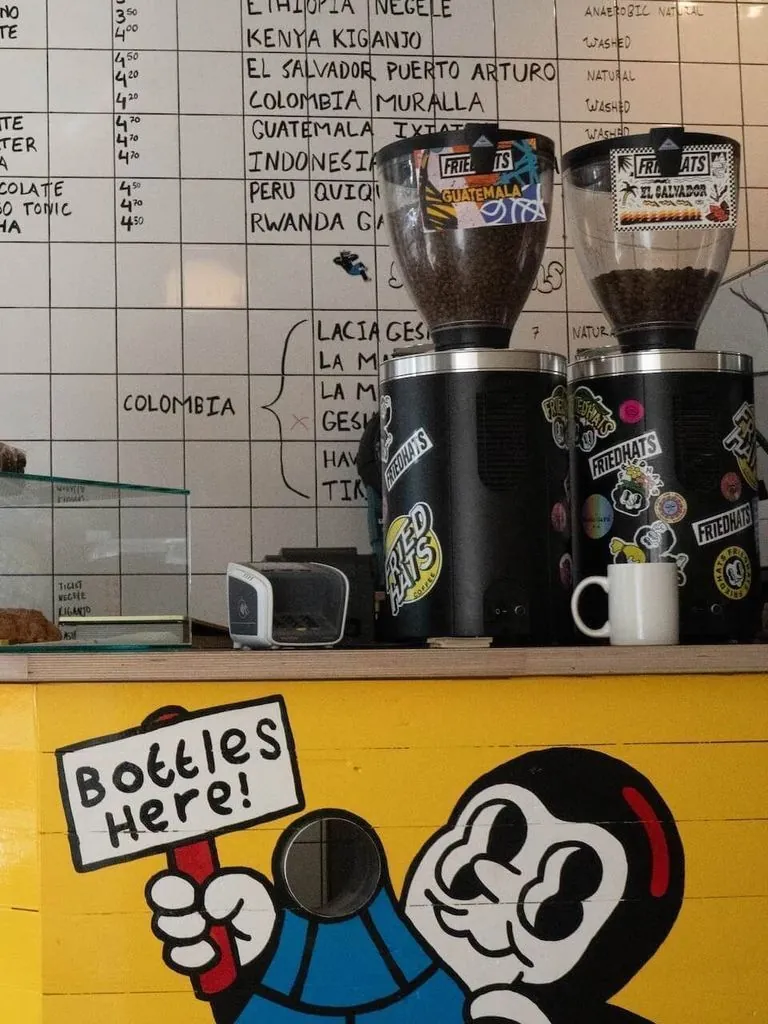
Friedhats is a micro-roastery that buys directly from producers and trusted European importers, and FUKU, opened in September 2018 in Bos en Lommer, is its first and only café. FUKU promises “good coffee, nice people, and sometimes even natural wine”. Nearly every Friedhats coffee is available as filter or espresso, alongside competition-grade “Super Special” lots, experimental processes and geishas. There are cakes, croissants and house-made granola by day, and a monthly wine night.
Bocca Coffee, the canal belt
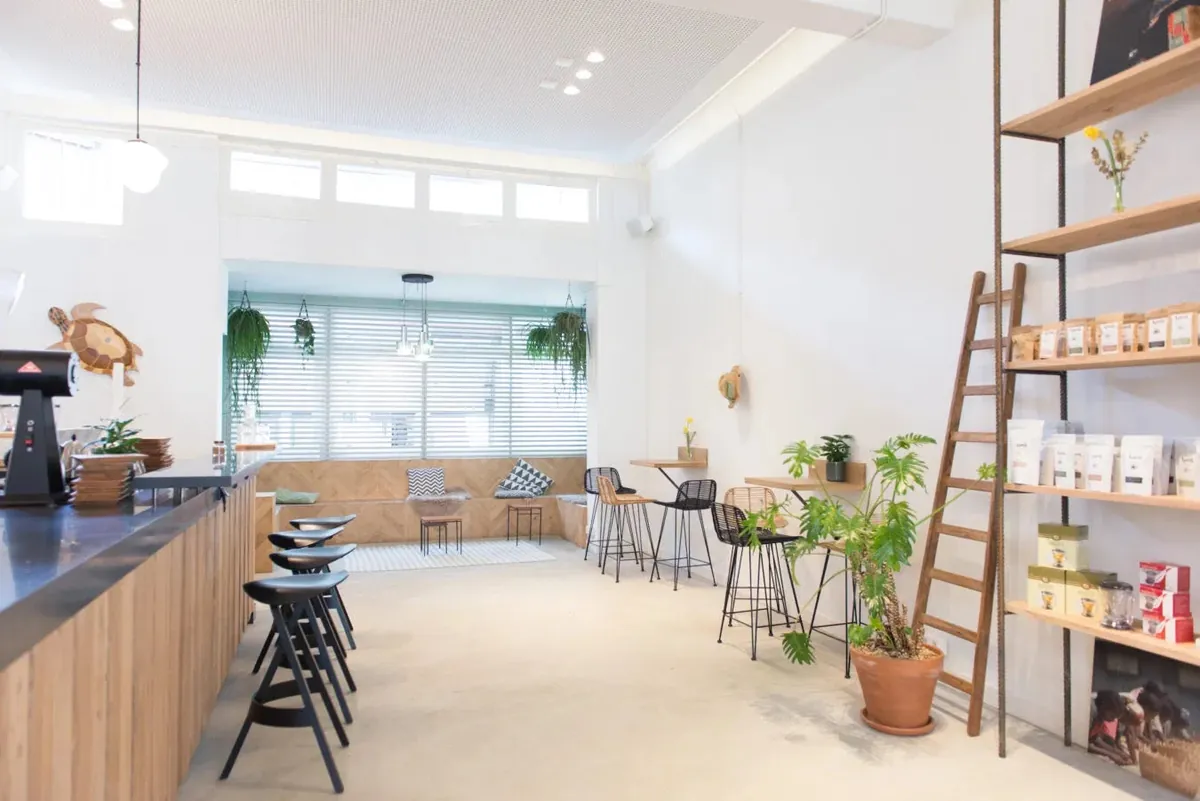
Bocca has roasted since 2001, longer than anyone else in Dutch specialty coffee by its own account, is a certified B Corp and launched the country’s first verified True Price coffee. The roastery is in Dronten. The espresso bar in the canal belt brings the whole catalogue into the city and doubles as Bocca’s School of Coffee, where it runs workshops.
Scandinavian Embassy, De Pijp
Scandinavian Embassy does not roast. It stands in for Scandinavian roasters, serving coffees from The Coffee Collective, Koppi and Drop Coffee among others, in an intimate Scandinavian setting beside the Sarphatipark in De Pijp. The food is the other half of the idea, with healthy breakfasts, lunches and the pairing of coffee with pastries. In 2022 it opened a bakery and shop in Amsterdam-Zuid.
Rum Baba, Oost and the Jordaan
Rum Baba is an independent roastery run by Jeroen, Lusan and a team with fifteen years in specialty coffee. Rum Baba East, near the Oosterpark, is the largest site, a shop and brew bar with shelves of fresh beans and coffee tools, and a bakery at the back that makes the house marble cake, with limited seating. The second shop, on the edge of the Jordaan, is a smaller brew bar with a living-room feel from its open bar layout, and it holds occasional free coffee workshops on Wednesdays. The roastery moves to Haarlem on 1 November 2026; the shops are unaffected.
White Label Coffee, West and Noord
White Label has stopped splitting its coffees into filter and espresso roasts: every coffee is roasted one way, to let each coffee’s character show. The original café is White Label West, in Amsterdam-West. White Label Noord serves the other side of the IJ, and a sister café, Native, is in Haarlem.
Uncommon, near the Vondelpark
Uncommon roasts its own coffee, visits origin every year and rarely keeps a coffee on the menu for more than six months. The kitchen is plant-based and seasonal, from warm oats to kimchi toast, and the café takes walk-ins only. Across the street, Uncommon Bar bakes with foraged and fermented ingredients by day and serves small plates and natural wine on Friday and Saturday evenings.
What you need to know about Amsterdam specialty coffee
What are coffee houses called in Amsterdam? A koffiebar, koffiehuis or espressobar serves coffee. A coffeeshop, one word, is licensed to sell cannabis. Specialty cafés use “coffee bar” or “roastery” on their signs.
What is the difference between a coffeeshop and a café? A café in Dutch is often a brown bar serving beer and bitterballen. The coffeeshop sells cannabis and is usually not the place for a good cup of coffee. For specialty coffee, look for the roaster’s name on the window.
Which coffee bars roast their own beans? LOT61, Back to Black, Friedhats, Bocca, Rum Baba, White Label and Uncommon all roast; Scandinavian Embassy serves Scandinavian roasters instead.
Where do the bakeries come in? Back to Black and Rum Baba bake in their own bakeries, Scandinavian Embassy pairs coffee with Nordic pastry, FUKU does cakes and granola, and Uncommon runs a full plant-based kitchen.
Photo credits
Photographs belong to the businesses and are reproduced from their official websites with attribution.